Technology seems to be high on the agenda of any event industry meeting, including AIPC’s Sales & Marketing Summit which took place just before the start of IMEX Frankfurt 2025. However, the biggest challenge sits with the people, not the technology.
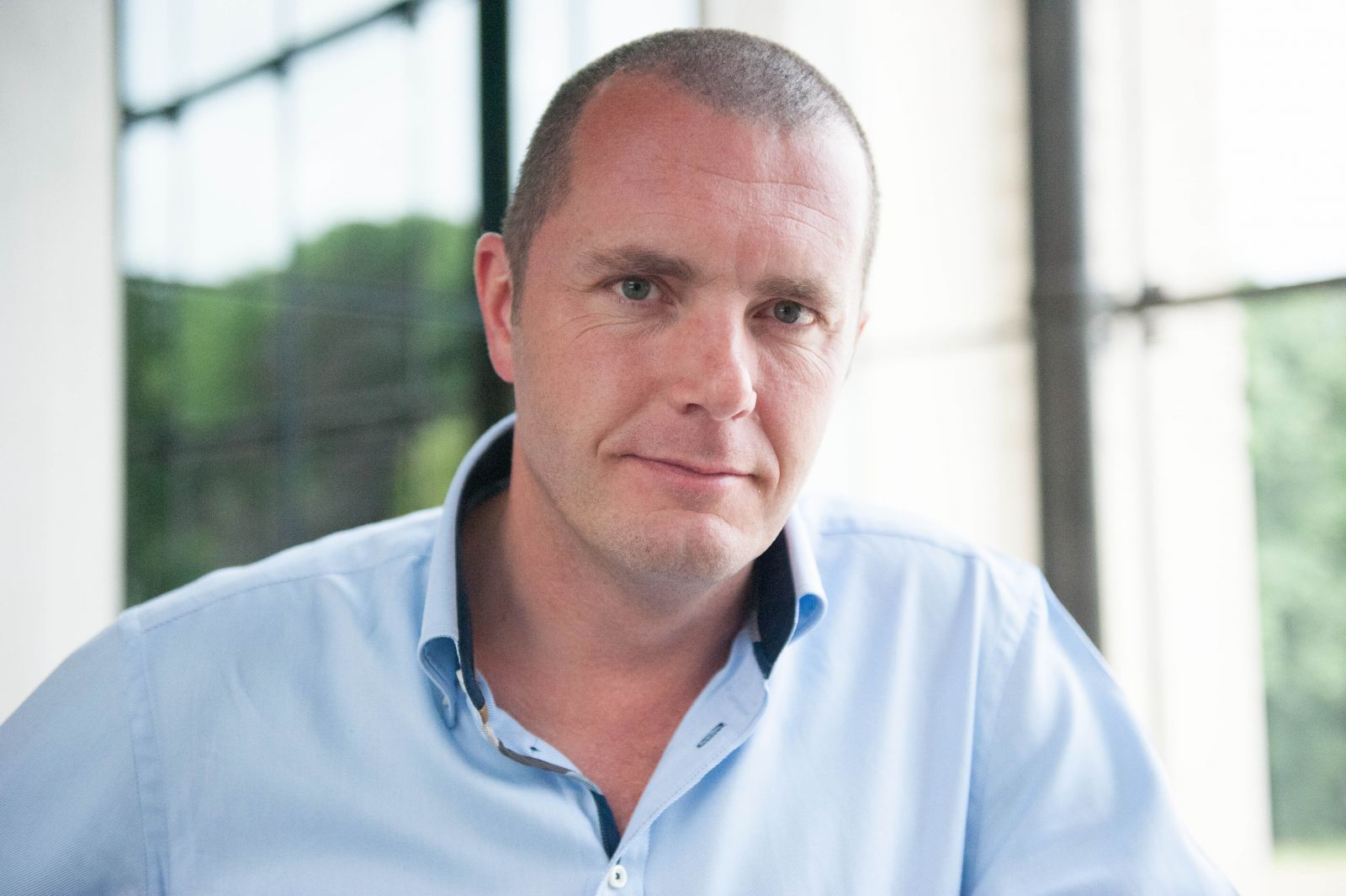
Author: Sven Bossu, AIPC CEO
 The use of Artificial Intelligence has moved way beyond applications such as ChatGPT. AI agents can now not only define but also execute complex tasks, without any human intervention. For associations, who often struggle with a shortage of resources, these tools potentially allow them to increase efficiency and do (a lot) more, without the need for additional staff. However, a recent study by Gartner indicates that 47% of employees using AI say they have no idea how to achieve expected productivity gains and a whopping 77% say these tools have actually decreased their productivity and added to their workload. So, there is a substantial gap between the ambitions (and expectations) of leadership and the dayto- day reality when it comes to the use of AI.
Part of this is without any doubt due to a reluctance to change. While the number of changes, both in our professional and personal lives, seems to go crescendo, our mental ability to deal with these changes has actually decreased, resulting in what is called the ‘transformation deficit’ or ‘change fatigue’. In addition, there might also be concern or even fear of being (partially) replaced by an AI agent, which does not help in the process of adopting new technologies. As a result, leadership will need to invest more time in explaining the context, the organisational goals, the strategy and the expectations they have from the staff in order to implement changes successfully.
Long term, it will become even more complex. As described in a recent paper by Harvard Business Review, the definition of ‘qualified workforce’ is changing. This is no longer limited to human talent, but also includes AI agents capable of handling many tasks once considered beyond the reach of automation. They are becoming digital teammates – an emerging category of talent. To get the most out of these new teammates, leaders in HR and procurement will need to start developing an operational playbook for integrating them into hybrid teams and a workforce strategy. Those who take the time to do so will unlock not just efficiency but a more scalable and resilient form of collaboration.
This will not be limited to large, international organisations. Once again, this technology offers an immense opportunity to smaller organisations, including smaller associations, to do more things more efficiently/effectively. Things like identifying potential new members, based on the profile of existing members, and doing an outreach campaign via different digital channels can now easily be done using a combination of tools, all of which are relatively easy to use. But at the end, it will come down to the most precious resource of any organisation: people. Therefore, almost all papers I have read on the implementation of AI stress one very important element: remain human-centric.
AI indeed reduces the need for people to conduct mundane tasks and elevates the importance of high-value, human-led tasks. Ensuring that employees can continue to carry these latter tasks out not only sustains morale but also delivers differentiating value to your association, which is something your competitors cannot simply download.
One key element to make the above happen is training. It is about identifying the skill gap and making sure a plan is in place to provide your team with the capacities and tools needed to bring your organisation to the next level. Given the speed at which the technology evolves, it is something to start as soon as possible.
Published by Meeting Media Company, the publisher of Headquarters Magazine (HQ) – a leading international publication based in Brussels, serving the global MICE industry and association community.
Since its founding in 1992, Meeting Media Group, publisher of Headquarters Magazine (HQ), has been a trusted guide and voice for associations and the global MICE (Meetings, Incentives, Conferences, and Exhibitions) industry.