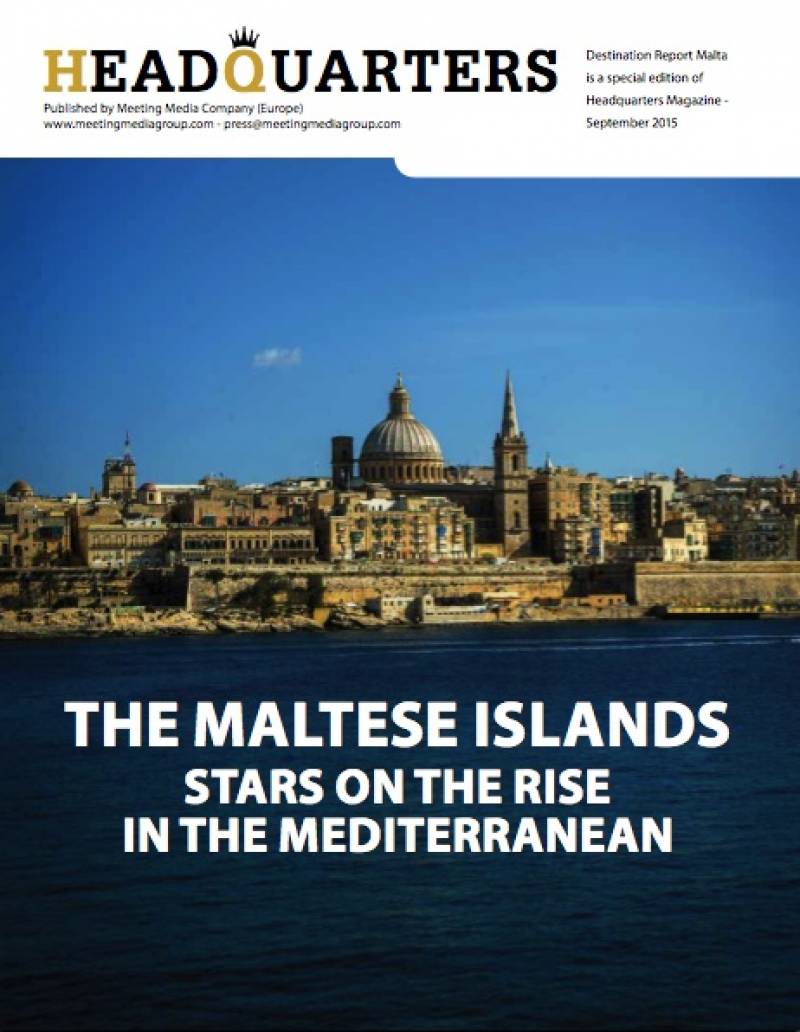
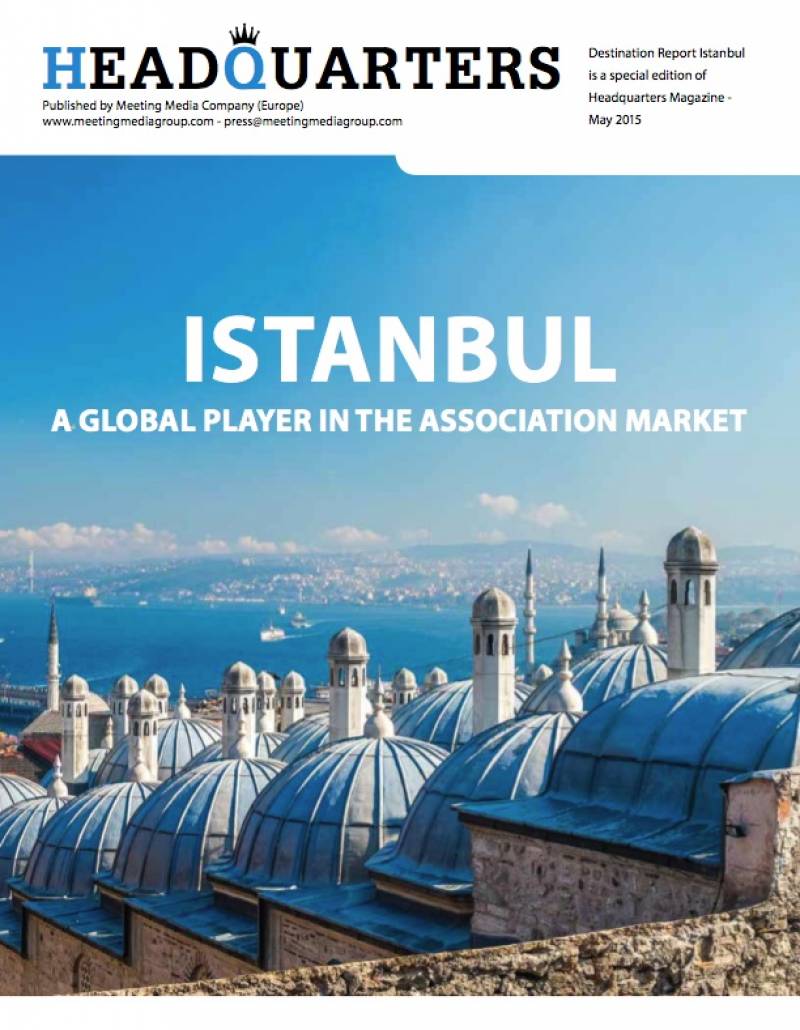
Under the sway of former empires, Riga was one of the largest and most advanced industrial and port cities in old Europe. Today, though, the city is known for its cultural and architectural heritage, but also wants to shine in the meetings and events industry.
The character of the classic buildings and contemporary spaces in Riga and Jūrmala reflect the present and future of meetings in Latvia. The rapid development of the local infrastructure has been complemented by the renovation of its cultural centres, warehouses and vintage hotels, which now boast bespoke event facilities, state-of-the-art technology and integrated services.
In a country that has the fifth highest percentage of land covered by forests in the European Union, with around 56% of the territory’s total area, sustainability also runs neck and neck with Latvia’s legacy and values. This very supplement also tells you how Latvia has become the new business hub for 'New Nordic Meetings.'
On the following pages, you will find an indepth and detailed handbook on how to set up your event in this fast-developing country. Enjoy the read!

Bratislava combines old-world charm with forward-thinking modernity in the heart of Europe. Known for its medieval streets, baroque architecture and contemporary landmarks such as the UFO Tower, the Slovakian capital is attracting attention as a destination for international meetings and events.
Bratislava is making a name for itself among Europe's second-tier MICE destinations with its accessibility and variety of venues, from historic buildings to modern spaces equipped for large-scale conferences. Ranked among the top 10 destinations for international meetings in the New Europe region, the city is a smart choice for organisers looking for a location with strong infrastructure and a growing reputation for innovation and sustainability.
Curious about what Bratislava has to offer for your next event? Dive into our full report to discover its business events potential, sustainability efforts and diverse venue options.

Nestled between Germany, France and Belgium, Luxembourg has made a name for itself as one of the world’s most attractive event destinations. With an area of just 2,586km2, Luxembourg is one of the tiniest countries in Europe, which makes the distances between venues, hotels and leisure spots very short and convenient.
A multicultural country by tradition, Luxembourg has a cosmopolitan character, welcoming around 170 different nationalities, and a cultural diversity that is reflected in the languages you hear on the streets, in its avant-garde restaurant scene as well as in the arts and leisure sector.
With its international flair and cosmopolitan vibe, Luxembourg has over the years accumulated a wealth of experience in welcoming companies and associations from all over the world, making it the ideal place for organising meetings. So how is this small European destination shaping its future with business events in mind?
Find out in this guidebook updates on Luxembourg's accommodation and meeting spaces, legacy events, industrial identification of the region and a detailed description of its regions:
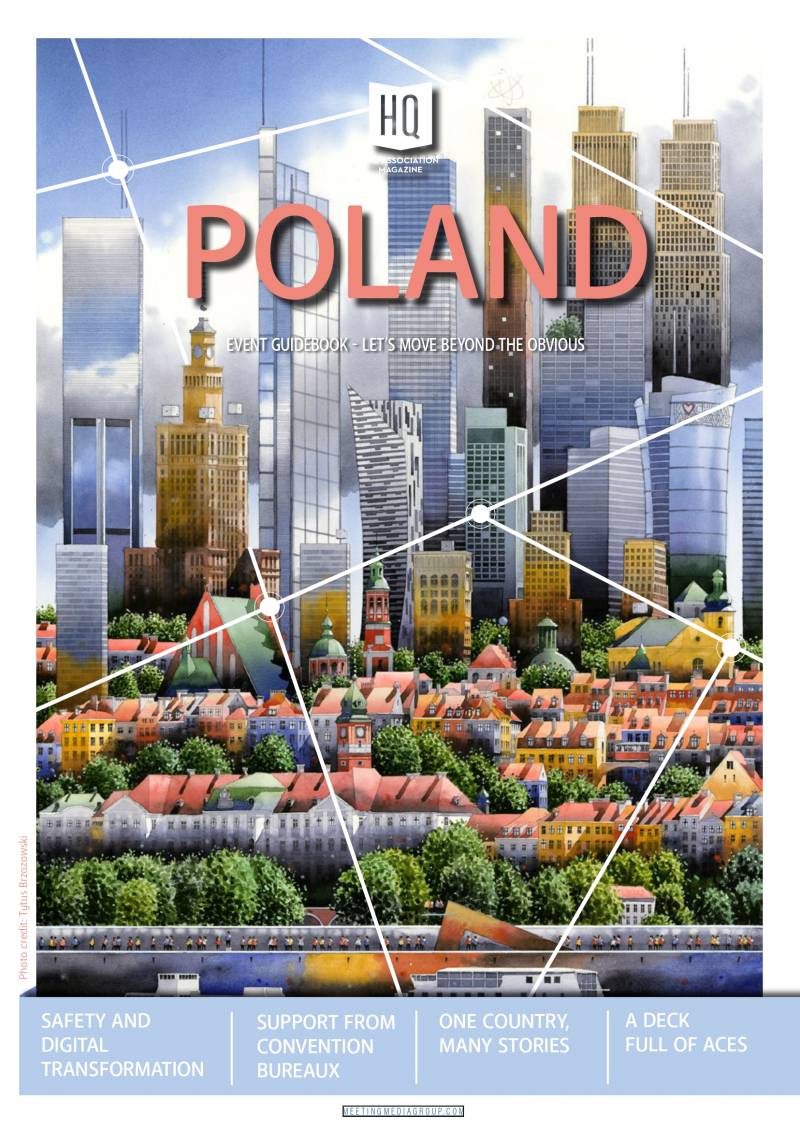
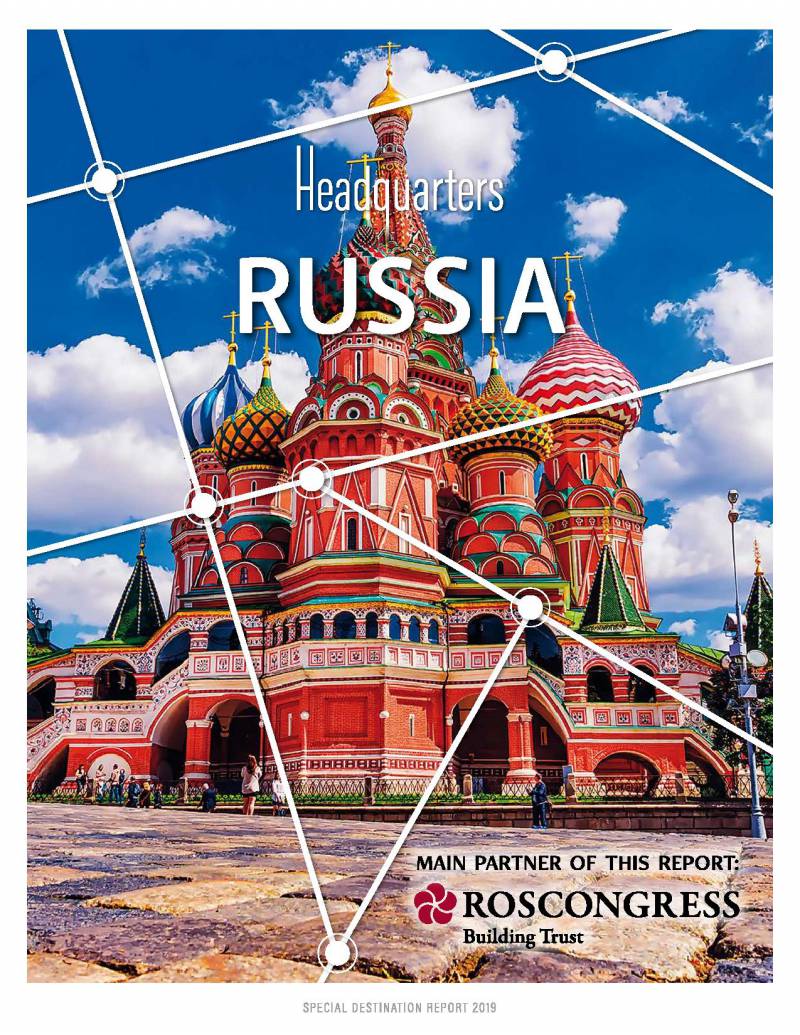
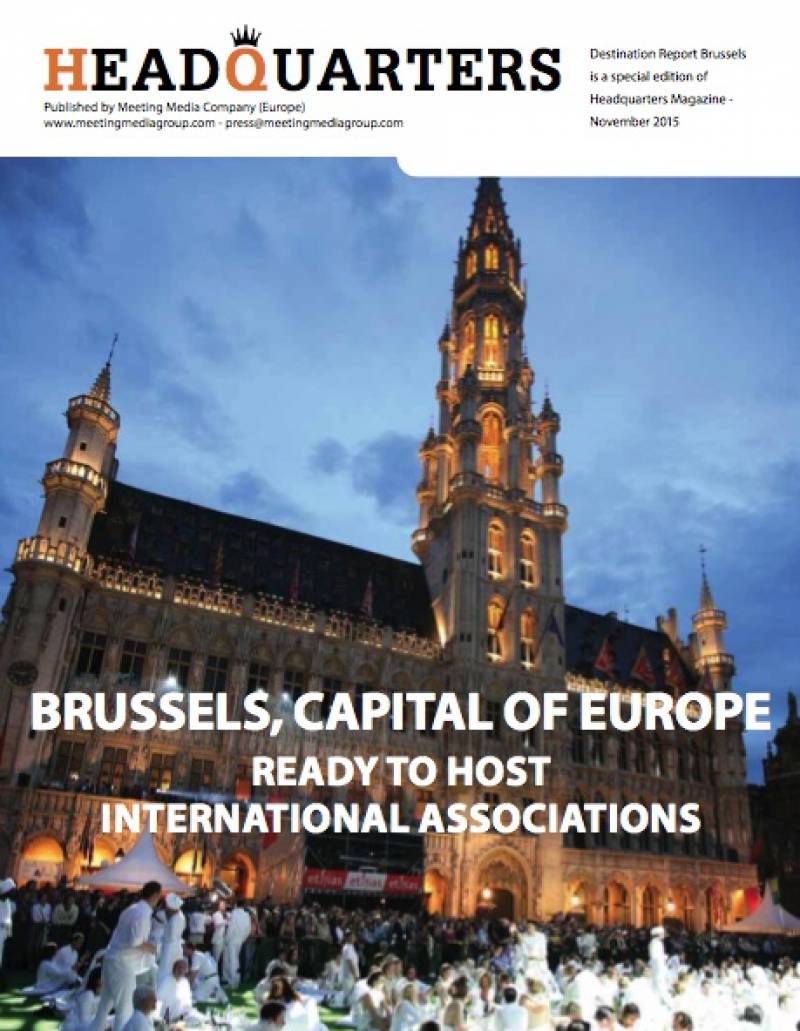
Since its founding in 1992, Meeting Media Group, publisher of Headquarters Magazine (HQ), has been a trusted guide and voice for associations and the global MICE (Meetings, Incentives, Conferences, and Exhibitions) industry.