Following our visit to Tāmaki Makaurau Auckland, HQ continued south into the geothermal landscapes of Rotorua with a programme guided by Michele Frost, Conference and Events at Tauhara North Tourism Ltd. Located in Aotearoa New Zealand’s central North Island, the region combines volcanic landscapes, lakes, geothermal systems and growing meetings infrastructure with strong Māori cultural and economic leadership.
Much of our visit centred on conversations with Māori business owners, guides, artists and community leaders discussing how business events and responsible tourism support cultural continuity across the region. Rotorua’s geothermal landscapes, lakes and waterways remain closely connected to those discussions, shaping relationships between iwi, the Māori tribal communities connected to the land, and the whenua, or ancestral territories, they continue protecting for future generations.
Author: Jesús Guerrero Chacón, HQ Magazine Manager
Water, Geothermal Landscapes and Conference Experiences
Before reaching Rotorua, the journey south through the Waikato region stopped at Te Waihou Walkway and the Blue Spring near Putāruru, where some of New Zealand’s clearest water emerges through native vegetation and volcanic rock. The spring supplies a significant proportion of the country’s bottled water and remains protected for its environmental and cultural importance.
At Aratiatia Dam, the controlled release of water recreates the natural flow of the Waikato River before hydroelectric development altered the landscape. The river has long functioned as a route for trade, travel and food gathering, while also carrying whakapapa, the genealogical relationships linking people, ancestors and place. Today, the releases continue under agreements recognising the importance of maintaining the river’s historic pathways for local Māori communities and future generations.
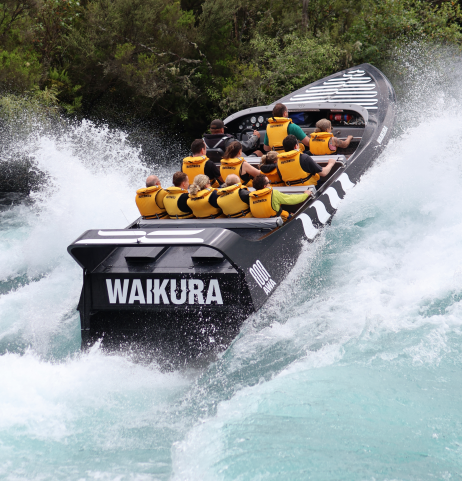
Nearby, AWA Rapids Jet uses water released from Aratiatia Dam to navigate sections of the Waikato River that once formed its natural rapids system. Alongside the high-speed experience, guides discussed the historical importance of the river for Ngāti Tahu–Ngāti Whaoa, the Māori iwi whose traditional territory stretches between the Rotorua lakes and Lake Taupō across the geothermal areas of the central North Island.
During a guided visit to Wai-O-Tapu Thermal Wonderland, Awatere Douglas, Manager, alongside Māori guides, discussed how geothermal areas continue shaping relationships between Māori communities, tourism and environmental stewardship across the region.
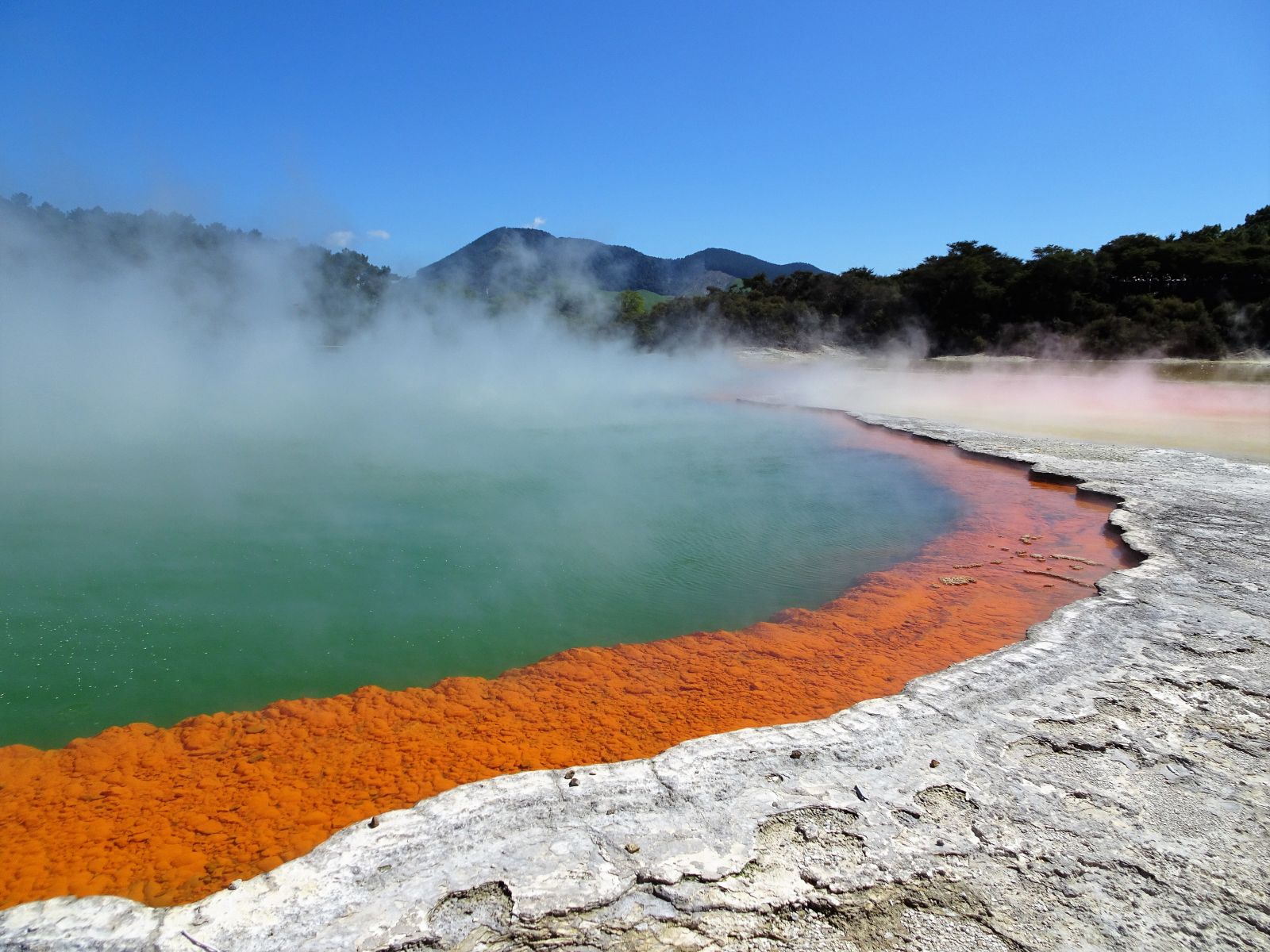
The visit moved between geology and cultural history. Stops including the Champagne Pool, the bubbling hot spring known for mineral-rich green water and bright orange edges, led into discussions of geothermal cooking traditions, thermal bathing, healing practices and the significance of moko within Māori identity. Guides also covered native plants, thermal waters and geothermal cooking methods, together with conservation, environmental management and employment pathways within local communities.
The relationship between water, infrastructure and regional identity also extends into Rotorua’s conference sector, hosting the Water New Zealand Stormwater Conference & Expo in 2025, focused on resilient infrastructure and nature-based water systems, followed by the Water Industry Operations Group Conference in 2026.
Set within the Volcanic Plateau and shaped by hydroelectric and geothermal development along the Waikato River, Rotorua increasingly positions itself as a meeting place for meetings surrounding water management, environmental resilience and sustainable infrastructure. The volcanic landscapes also support conference and incentive programmes connected with local identity.
Business Events and Māori Ownership
Māori-owned cultural institutions increasingly operate as meeting places where business events intersect with preservation and intergenerational education.
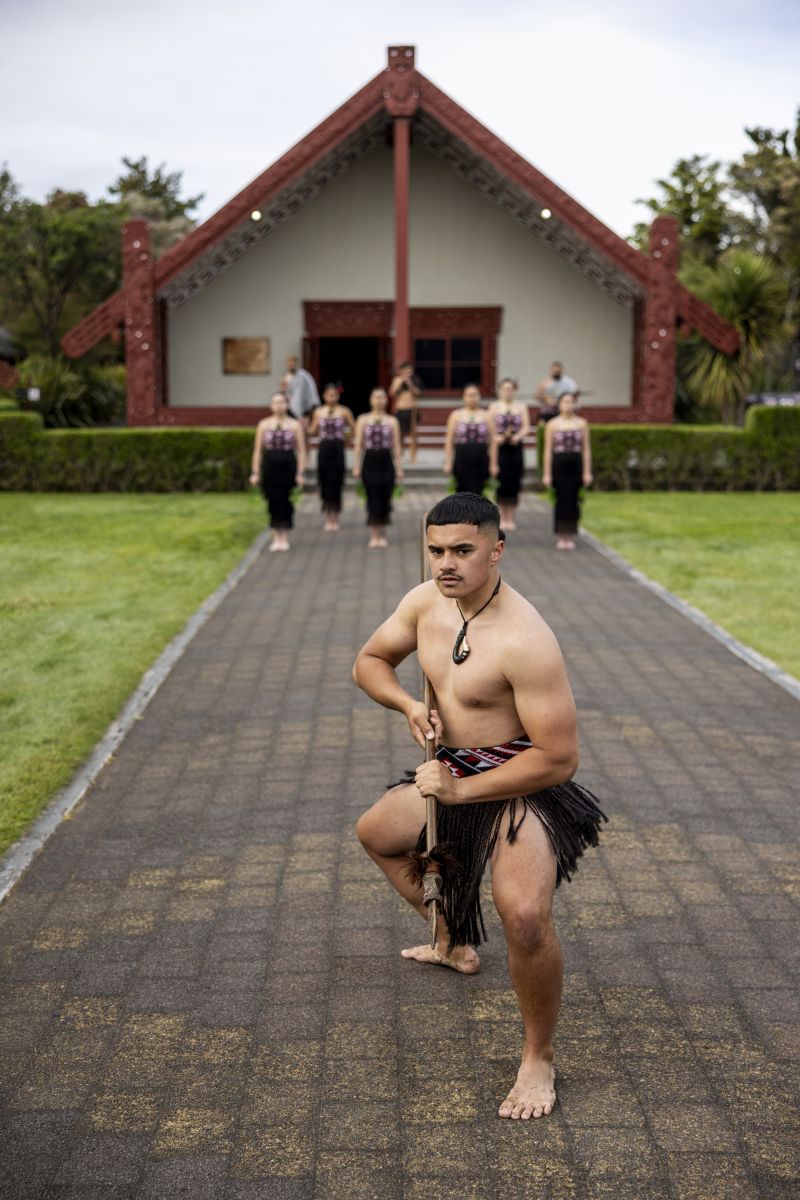 Te Puia
 combines a geothermal and cultural village with the New Zealand Māori Arts and Crafts Institute, the national campus for Māori carving, weaving and traditional arts education. Alongside geothermal landscapes including the Pōhutu Geyser, the site brings together Te Arawa cultural traditions, oral storytelling, cuisine, conservation and arts training within a working cultural environment hosting international delegates and business events.
Tourism revenue supports national carving, weaving and stone-carving schools where tauira, or students, train in traditional arts while learning the histories, language and tikanga, or cultural protocols, connected to their work. The site also includes Te Puia’s Kiwi Conservation Centre, reinforcing native wildlife protection. Te Puia also hosted the 2026 National Māori Sport & Recreation Conference, highlighting Indigenous wellbeing, recreation and community development.
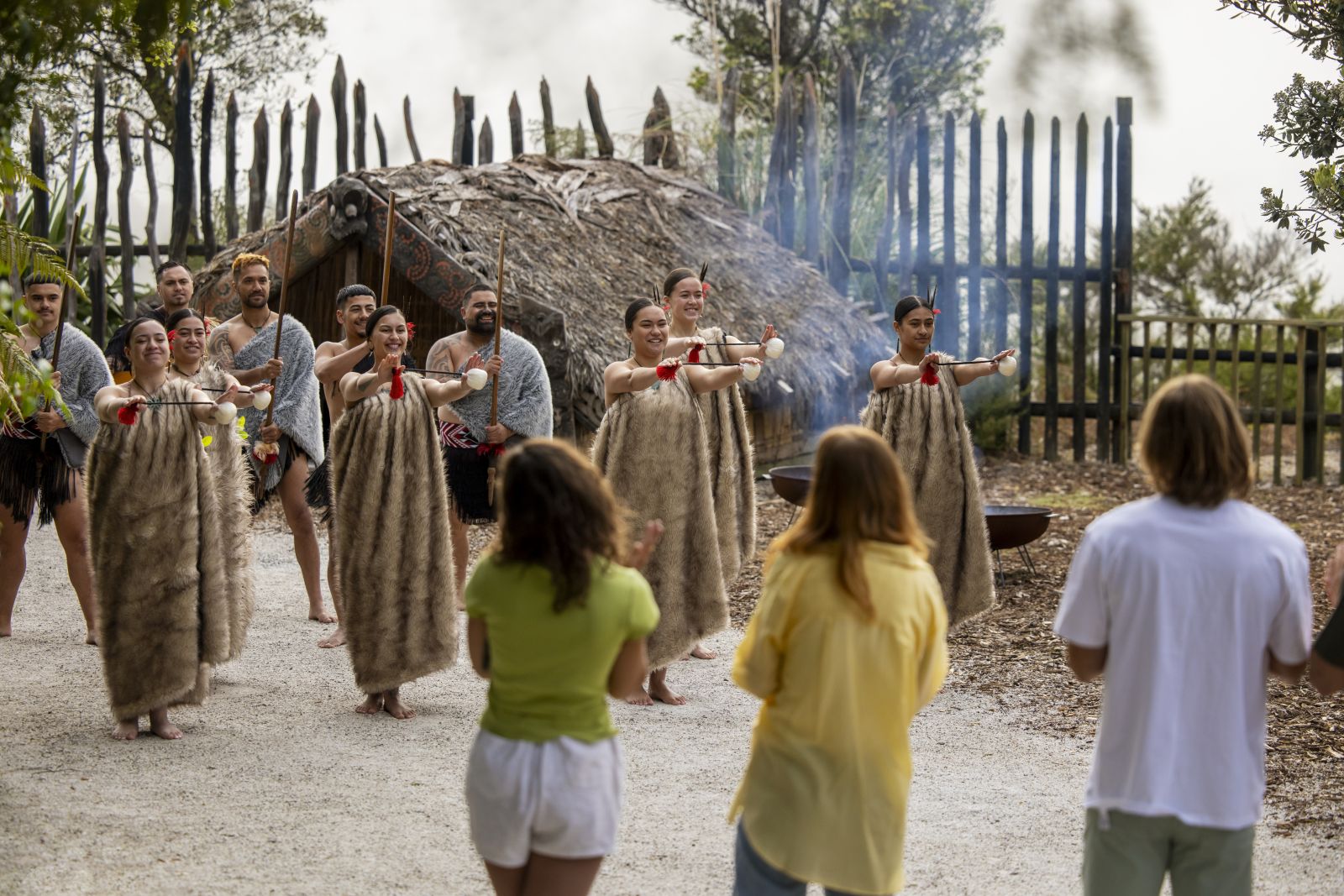
Te Pā Tū approaches cultural engagement differently. Set within a forest pā, or fortified village, the experience combines pōwhiri welcomes, haka, waiata, traditional games and seasonal feasts. The programme emphasises manaakitanga, hospitality and care for guests, alongside kaitiakitanga, the long-term guardianship of land and environment.
Dinner created opportunities for direct discussion during the visit. Chief Te Ariki Atakura from Te Pā Tū spoke about the role younger generations continue playing in carrying Māori traditions into contemporary business, tourism and creative industries.
Tauhara North No.2 Trust positions tourism and business events within a wider intergenerational strategy centred on protecting land, strengthening whānau, or extended family networks, and creating long-term opportunities for future generations. Ownership remains central to that strategy, allowing Māori organisations to retain cultural authority while expanding participation across hospitality, tourism and conference experiences. The approach reflects a wider global focus on Indigenous-led development and economic participation, increasingly combining cultural continuity, environmental stewardship and long-term economic resilience within tourism and trade models.
Wai Ariki Hot Springs & Spa reflects Rotorua’s growing focus on wellness, geothermal experiences and Māori-owned hospitality within the business-events sector. Located on the Rotorua lakefront overlooking Mokoia Island, the development combines geothermal bathing, spa treatments and Māori wellness concepts connected with water, restoration and healing traditions.
Sales Executive Jesse Tamm described growing interest in international conferences, incentive groups and retreats aligned with wellness, sport and healthy-lifestyle sectors. Wai Ariki increasingly positions itself for corporate groups seeking indoor meeting space and outdoor experiences connected with the geothermal and lake environments. The adjacent development of what is expected to become Rotorua’s first Māori-owned hotel would further expand Indigenous ownership across the region’s premium hospitality and meetings infrastructure. Planned beside Wai Ariki on the lakefront, the project reflects wider efforts by iwi organisations to retain stronger participation across accommodation, wellness and conference development.
The Energy Events Centre and Sir Howard Morrison Centre continue anchoring Rotorua’s conference infrastructure, hosting medical, engineering and environmental conferences, while RotoruaNZ, the council-controlled destination and economic development agency responsible for conference attraction, continues working alongside iwi-owned operators when building conference programmes connecting delegates with Indigenous ownership and long-term community development. Māori organisations shape the cultural experiences, the infrastructure, hospitality and long-term direction of the visitor economy.
Powered by Meeting Media Company, publisher of Headquarters Magazine (HQ) – a leading international publication based in Brussels, serving the global MICE industry and association community.