Innovating with Tradition: Notes from the BestCities Global Forum in Guadalajara

Magazine:
10th Feb, 2026
Category:
Image:
Body:
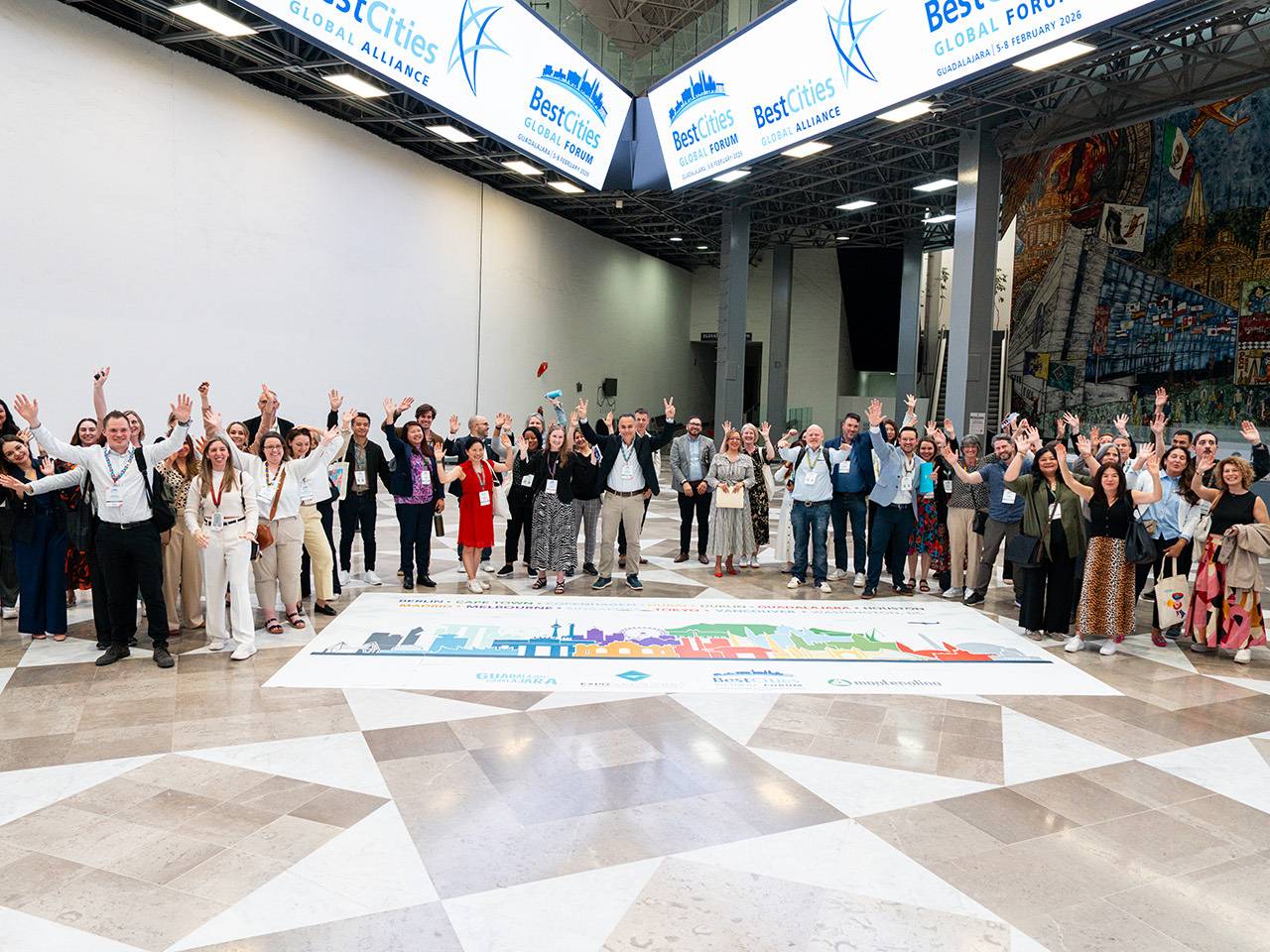
The BestCities Global Forum 2026 has already taught us to go beyond the limits of a traditional conference; it set the pace for international dialogue with a series of frank conversations that far exceed the mere “attracting events” approach, but rather justify their social, economic, and scientific relevance. For three days, Guadalajara bore witness to this chapter of the global alliance, not only as host but also as facilitator of joint discussions and case studies that are disrupting the association conferences/smart destinations duality. 
HQ Magazine Manager, Manuel Fernandes, reports from Guadalajara

The BestCities Global Forum usually brings together destinations and associations for internal sharing, but in Guadalajara the dynamic was particularly open. Under the title, "Innovating with Tradition, for a Sustainable Future," there was no obvious concern with selling ideal business models, since the focus was on explaining what is working, what is not, and how much it really costs to change practices in the sector.
 
The structure of the forum itself contributed to this: small groups, sessions with long questions and equally detailed answers, and plenty of time outside the meeting rooms. Over the three days, the idea that the industry has already passed the stage of quantitative growth was raised repeatedly. The problem now is relevance: how to justify in-person events to organisations that demand verifiable, measurable, and financially sound results.


Within BestCities, members seem to take on a role closer to that of project partners than hosts. Several association participants told me that, when choosing a destination, infrastructure has become just a basic requirement. The decisive factor is whether the destination can involve universities, local ambassadors, and public authorities in a common agenda. This is what Guadalajara set out to do!

In practice, this changes the application phase and places extra responsibility on the host's shoulders. Instead of just presenting convention centres and a physical roadmap, destinations are encourage to showcase experts, research centres, and potential scientific collaborations. Some association managers also pointed out that today they expect preparatory meetings with local researchers even before deciding on the city.

Guadalajara and the LATAM Context

Guadalajara fits nicely into this model as the city actively promotes economically viable and identifiable strategic sectors – technology, pharmaceuticals and chemicals, creative industries, and logistics – all concentrated in a large yet fairly compact area. This facilitated seamless connections between international buyers and the local community without the need for complex parallel programmes.
 
The impact was particularly noticeable in the technical visits and interventions by regional actors. These were not formal participations; on several occasions, local professionals themselves explained what kind of collaboration they expect from events coming to the city (check out Marissa Lazo and Isaac Hernández keynotes down below). With a mutual and resonant approach across their passions, they detailed the impacts that can be caused, what training can be established, and what projects can continue after the conference close its doors.
 
 
Within Latin America, this stance essentially positions Guadalajara as a connecting platform and, consequently, as a strong source market. Some association executives emphasised how the city is an interesting place to bring together scientific communities from Latin America while maintaining links to Europe, Northe America and Asia in a global region that is rapidly evolving with strong growth potential among stakeholders.


Association Forum – Balancing long-term Planning and Real-time Action!

In the initial workshops, associations were invited to analyse challenges, implementation strategies and solutions across six core drivers: advocacy, legacy and impact, financial sustainability, member engagement, partnerships, and digital transformation. The recurring theme was (as usual) the misalignment between board expectations and operational reality. Many organisations continue to measure success by the number of participants, while technical teams are evaluated by academic or professional impact.
 
There was much talk about the four-year cycle: application, scientific preparation, implementation, and follow-up. The face-to-face meeting has become just one visible stage in this process; impact is now largely influenced by AI predictions and data collection; the coordination of the programme's agenda in terms of fundraisers and sponsorships is now fundamental to financial viability; and several associations already maintain active working groups throughout the interval between congresses to ensure the continuity of the knowledge produced.


Day 2: Sustainability and entrepreneurship

The second day's morning session, The Real Cost of Sustainability, held at Hospicio Cabañas, brought together three sustainability experts to discuss measurement methodology and debunk myths about the carbon footprint of events. In the conversation between Alexis Kereluk, Director of Sustainability at ConnectSeven Group, Milda Salciute, Director of Events Consulting and Academy at GDS-Movement, and Natalie Lowe, Founder of Sustainable Events Forum, it became clear that many environmental reports continue to exclude material production, supplier transport, and participant food behaviour. According to Natalie, when these factors are included in the calculation, many results are no longer net positive. Alexis, in turn, summed up the transactional nature of this investment: reducing impact means changing the participant's experience, not just negotiating with suppliers. Practical examples mentioned included shorter menus, eliminating disposable scenery, and communicating in advance to participants about mobility and consumption choices during the event. In short, is it expensive to integrate sustainability policies into a professional conference? Perhaps... but everyone agreed that it is indispensable for modern-day brand reputation for associations. 
 
 
The lecture by businesswoman Marisa Lazo brought a more human perspective to the relationship between the local economy and the development of the events sector. Instead of talking directly about conferences, she spoke about the business fabric, inducing why certain destinations are able to consistently host international meetings — by being loyal to their community, supply chain, and solid professional teams when there is ongoing skills development and not just scale. Founder of a vast chain of artisan bakeries that grew from a solitary project in a garage to more than 115 stores and around 1,350 employees, Lazo described a slow expansion model without external financing, based on continuous reinvestment and quality control. In the end, a simple idea remained: competitive event destinations do not depend solely on convention centers, but on the quality of their business and human fabric. Events come to connect with these networks and uplift ecosystems, not to replace them. 
 
In the session Building a More Sustainable, Impact-Driven Tradeshow: The Intermoda Journey – moderated by Gustavo Staufert, CEO of the Guadalajara Convention & Visitors Bureau, with contributions from Jaime Barba Hernández, Member of the Intermoda Board of Directors, José Andrés Orendáin De Obeso, President of Expo Guadalajara’s Technical Committee, and Linda Garzon Rocha, Latin American Representative for #Meet4Impact – the evolution of Intermoda, the largest fashion trade show in Latin America, was presented in tandem with Expo Guadalajara, showcasing concrete changes: standardised booths, material limits, and common rules for suppliers. The measure reduced logistics costs and simplified assembly, with exhibitors reporting more time available for business meetings. The venue complemented these changes with rainwater harvesting, solar panels, and a LEED Gold certification goal.


Day 2: Art as a Vehicle for Transformation and Impact Measurement!

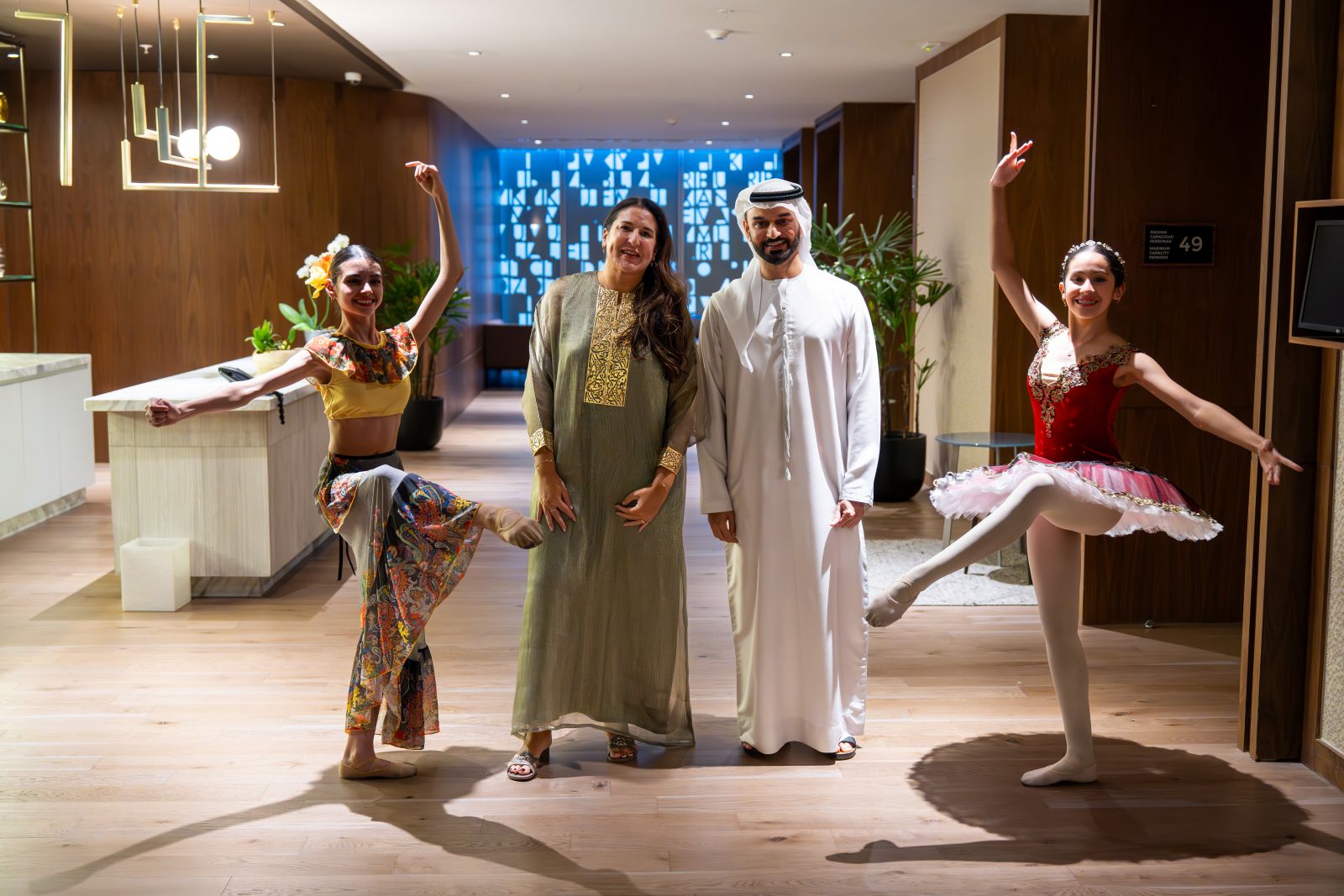
At the opening of the last day, the highly acclaimed Mexican dancer Isaac Hernández explained how to use Dance as a Tool for Transformation, describing his journey from Guadalajara to the world's leading international ballet companies, framing it as an example of the structuring role of the arts. More than a biography, his presentation focused on how artistic training can leverage social mobility, counter stereotypes, and generate economic activity when there is continuous access and not just one-off events. Through the Despertares festival and associated educational programs—free workshops, technical training, and ballet schools in the state of Jalisco—his example reinforced a recurring idea in the forum: impact depends not only on funding but on continuity. As cultural initiatives become part of the local economy and the external perception of the destination, urban and educational policies promote the democratisation of culture, spilling over into society. Such was his message!
 
 
In the last session of the forum, Unlocking Event Measurement Impact with AIJonathan Easton (Snapsight by Gevme) and Linda Garzon Rocha (Meet4Impact) focused the discussion on a simple problem: the industry has been talking about impact for years, but rarely manages to demonstrate it consistently. They argue that the difficulty lies not in a lack of data, but rather in its dispersion among registrations, parallel sessions, scientific reports, and qualitative feedback that is almost never analysed together. Placing measurement at the center of decisions throughout the process will yield results in terms of advocacy, education, attendee engagement, and environmental action. That's where Jonathan came in. Drawing a parallel with his intelligent event content platform, he listed the benefits of AI tools in interpreting and simplifying free text, debates, or workshop notes with qualitative gains.
 
If Guadalajara has focused primarily on innovation with tradition for a sustainable future – heritage, balance, and community impact – Dubai should explore scale and knowledge transfer between regions with a rich tradition of innovation in recent years. The UAE city serves as a link between associations operating on multiple continents, especially between Europe, Asia, and the Middle East, where many professional sectors share standards and where progress, security, and a pro-business environment go hand in hand with events and tourism.


Powered by Meeting Media Company, publisher of Headquarters Magazine (HQ) – a leading international publication based in Brussels, serving the global MICE industry and association community.

Other Articles

Our Partners

About Us

Since its founding in 1992, Meeting Media Group, publisher of Headquarters Magazine (HQ), has been a trusted guide and voice for associations and the global MICE (Meetings, Incentives, Conferences, and Exhibitions) industry.