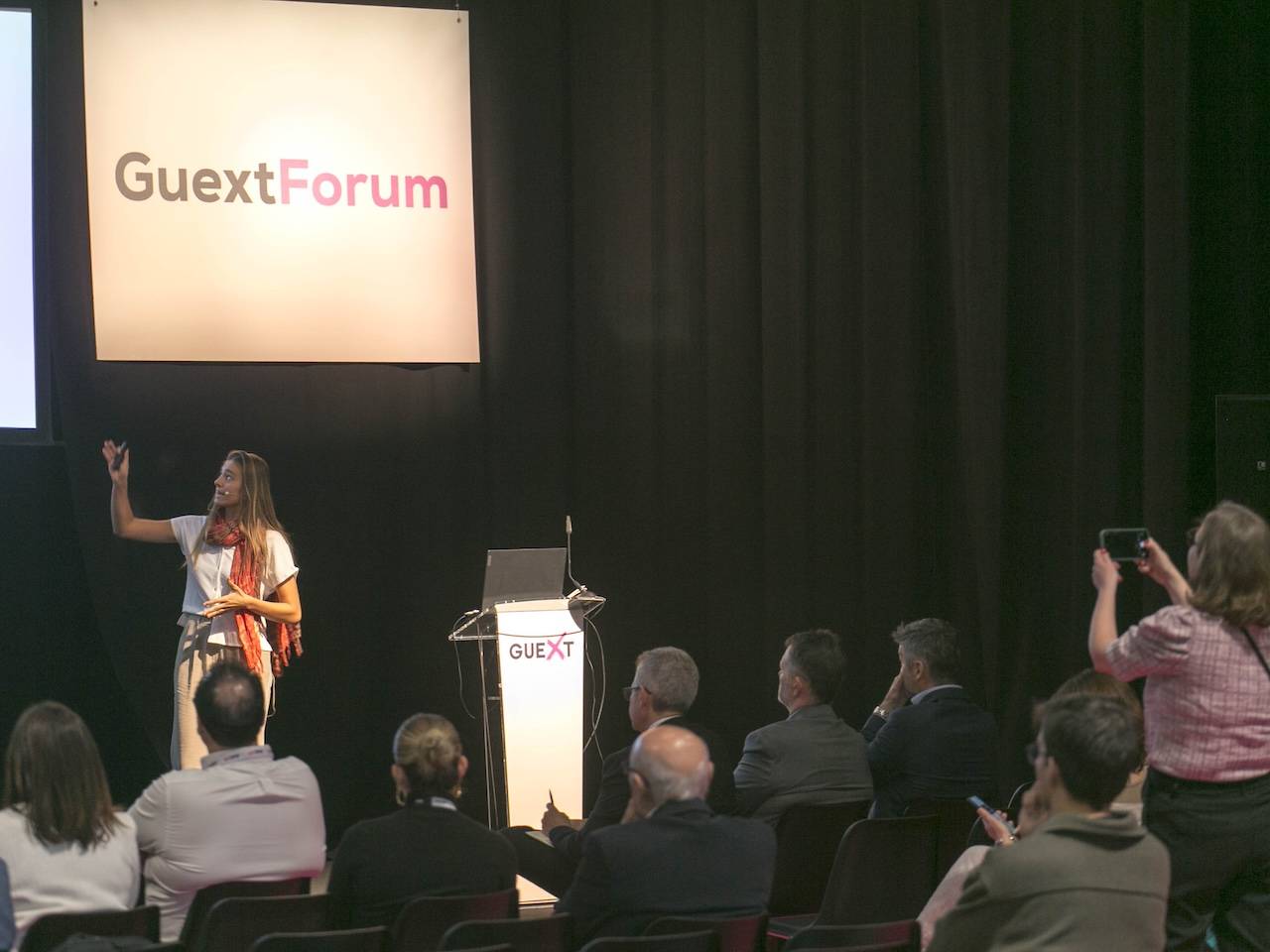
AI, kitchen digitalisation, sustainability and changing consumer expectations will take centre stage at the GUEXT Forum, taking place in Madrid from 15 to 17 October.
Hospitality businesses are being challenged to improve operational efficiency, manage resources more effectively and respond to consumers whose expectations continue to evolve. At the same time, advances in artificial intelligence, connected equipment and space design are creating new possibilities for professional kitchens, restaurants and foodservice operators.
These questions will form the focus of the GUEXT Forum, part of the second edition of GUEXT, the International Exhibition of Suppliers and Services for the Hospitality Industry, organised by IFEMA MADRID in collaboration with FELAC, the Spanish Federation of Associations of Manufacturers of Machinery for Hospitality, Catering and Related Industries. The event will take place at the IFEMA MADRID Exhibition Centre from 15 to 17 October, with the forum programme hosted in Hall 12.
Moderated by food journalist Sara Cucala, the sessions will explore the practical implications of technological innovation, emerging foodservice business models, sustainability and the relationship between physical environments and customer experience.
The opening day will address both the social role of gastronomy and the changing economics of foodservice. Cooking with a Humanitarian Conscience will examine the sector’s social impact, while New Business Models in Foodservice will consider how operators are adapting to evolving market conditions. Contributors include Óscar Manresa of Fundación Catalina, Carlos Maldonado of Semillas, and representatives from Devoramos luego ardemos by Montagud, Ansón y Bonet and Grosso Napoletano.
Technology will be another central theme. In The Connected Kitchen Is Already Here, industry representatives and consultant chef Juanma López will discuss connectivity, digitalisation and intelligent management in professional kitchens. A separate session, Designing the Dining Area: When Space, Tableware and Experience Speak the Same Language, will examine how interiors, furniture and tableware contribute to the overall dining experience.
Artificial intelligence will also feature through the presentation of the Cooking Workbench project by GOe Tech Center, the Basque Culinary Center’s gastronomy technology centre. The AI-powered digital workspace is designed to help culinary teams develop, organise and reuse recipes and culinary knowledge, incorporating data such as ingredient flavour profiles and nutritional values.
The programme on 17 October will turn to contract catering, workplace design and convenience-led foodservice. Smart and Sustainable Contract Catering will explore developments in the sector, while Designing Kitchens to Work Better will consider how kitchen layouts influence efficiency, productivity and staff wellbeing. The session Foodvenience: Eating Quickly Without Compromising on Quality will address the challenge of meeting demand for speed without sacrificing food quality.
Alongside the forum, the Sobremesas de MAB roundtable discussions, organised by MAB Hostelero magazine and moderated by Sandra Rodríguez, will focus on equipment, operations and design across the HoReCa sector. Topics include automation and energy efficiency in professional kitchens, the factors behind profitable equipment investment, and how functional design can improve customer experience and business performance.
GUEXT will also recognise professional achievement during the exhibition. On 16 October, Miguel López of Pilsa will receive the Lifetime Achievement Award for Excellence in Hospitality Distribution, while the winner of the FELAC Professional Career Award will be announced. The day will also feature the final of the first National Competition for the Best School Menu, alongside live demonstrations of equipment and technology at KitchenXperience by Dimasa.
Across the three days, the programme will bring together manufacturers, operators, chefs and industry specialists to examine how technology, business strategy and design are influencing the future of hospitality. The central challenge is not simply to adopt new solutions, but to make them work in the operational and commercial realities of the sector.
Powered by Meeting Media Company, publisher of Headquarters Magazine (HQ) – a leading international publication based in Brussels, serving the global MICE industry and association community.
Since its founding in 1992, Meeting Media Group, publisher of Headquarters Magazine (HQ), has been a trusted guide and voice for associations and the global MICE (Meetings, Incentives, Conferences, and Exhibitions) industry.