Members of the IAPCO Council at the 2026 Annual Meeting © All photos courtesy of IAPCO
At a time when the global meetings industry is under increasing pressure to deliver more meaningful, measurable, and responsible outcomes, the role of Professional Congress Organisers (PCOs) is undergoing a profound transformation. Across sustainability, talent development, and education, a new model is emerging: one that positions PCOs not just as organisers, but as strategic partners in shaping impact.
During the recent IAPCO AM&GA in Athens, our Magazine Manager, sat down with representatives from the Sustainability, Next Gen & Advocacy, and Training Academy Committees to portray a clear picture of how that transformation is taking shape.
Sustainability is no longer a differentiator, but a business expectation. Increasingly embedded in RFPs and client demands, it has become a baseline requirement across the industry. Yet, the challenge lies not in awareness, but in execution. For Ajay Bhojwani, Sustainability Committee Chair at IAPCO, the gap is clear: “While there is a lot that is being discussed, what is actually being implemented is still quite limited. Many organisations are still operating at a very basic level.”
This disconnect is precisely what the new IAPCO Sustainability Toolkit aims to address. Designed as a practical, structured resource, it goes beyond environmental checklists and tackles the deeper issue of organisational integration. “There are still gaps in terms of tools, processes and guidelines,” Bhojwani warns. “That is often what prevents sustainability from being deployed at the level it should be.”
A key shift lies in moving from event-based actions to organisational transformation. “Many PCOs can deliver sustainable events,” he notes, “but their organisations are not always designed with sustainability at their core.” The toolkit therefore introduces a strong focus on corporate sustainability, embedding principles into governance, operations, and decision-making processes. The ambition is clear: sustainability should not be activated per event, but embedded across the entire organisation.
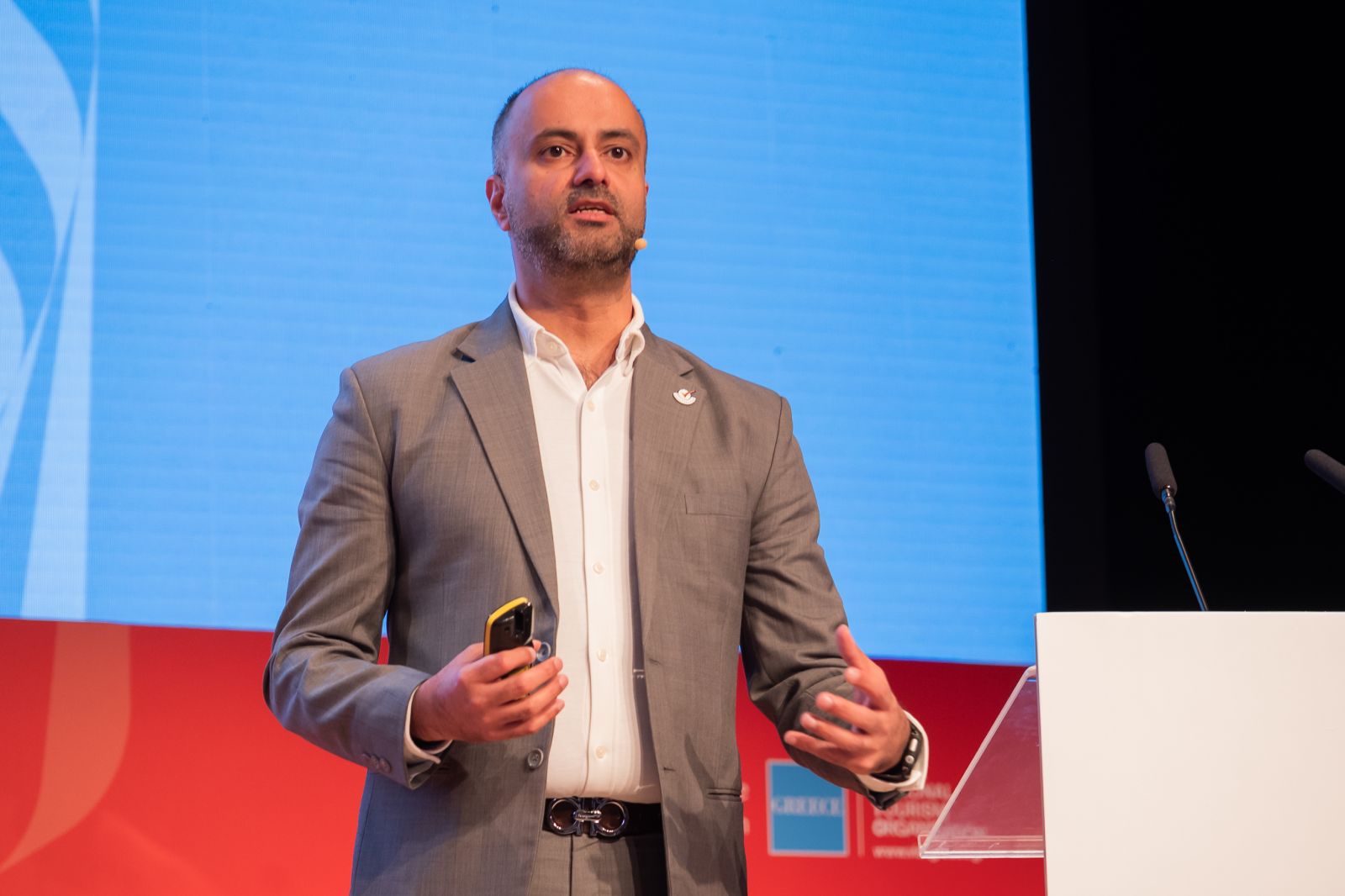
At the same time, implementation remains constrained by practical realities. Cost continues to be a barrier, particularly in destinations where sustainable solutions carry a premium. “If something costs two or three times more, it quickly becomes a ‘nice to have’ rather than a priority,” admits Bhojwani (pictured below), Middle East & Africa Managing Director at MCI Group. This is where ecosystem alignment becomes critical. From venues to suppliers and destinations, collaboration is essential to scaling solutions and making them more accessible. “We need to create guidelines that align the entire PCO community,” Bhojwani says, “so that everyone is working towards the same objectives.”
While he dismisses the idea that sustainability will regress, he does acknowledge a more subtle risk. “The real concern is stagnation. Without the right support, especially at government and policy level, the pace of progress could slow down.”
If sustainability defines the what, talent defines the who. And according to the Next Gen Committee Chair, Giulia Sarri, the industry must urgently rethink how it engages with its next generation. The recent move from ‘Next Gen’ to ‘Emerging Leaders’ is more than a rebrand: it reflects a fundamental change in mindset for the IAPCO community. “We are already here,” she states. “The challenges we face are not future challenges, they are the challenges of today.”
This disconnect has tangible consequences. Talent retention remains one of the industry’s most pressing challenges, and Sarri believes part of the issue lies in how roles are structured. “There is still a divide between operations and strategy,” she explains. “Younger professionals are often asked to execute, but not to contribute to the bigger picture.” Yet expectations have changed. New generations want purpose, involvement, and the opportunity to co-create. “They want to understand why they are doing something. They want to be part of the decision-making process.”
Without that engagement, organisations risk losing not only talent, but also relevance. “If you are kept in a box, you will never understand the real challenges the industry is facing,” she adds. Purpose, therefore, becomes a central driver, not only at event level, but at organisational level. It influences everything from internal culture to destination selection, and ultimately shapes the impact of the events themselves.
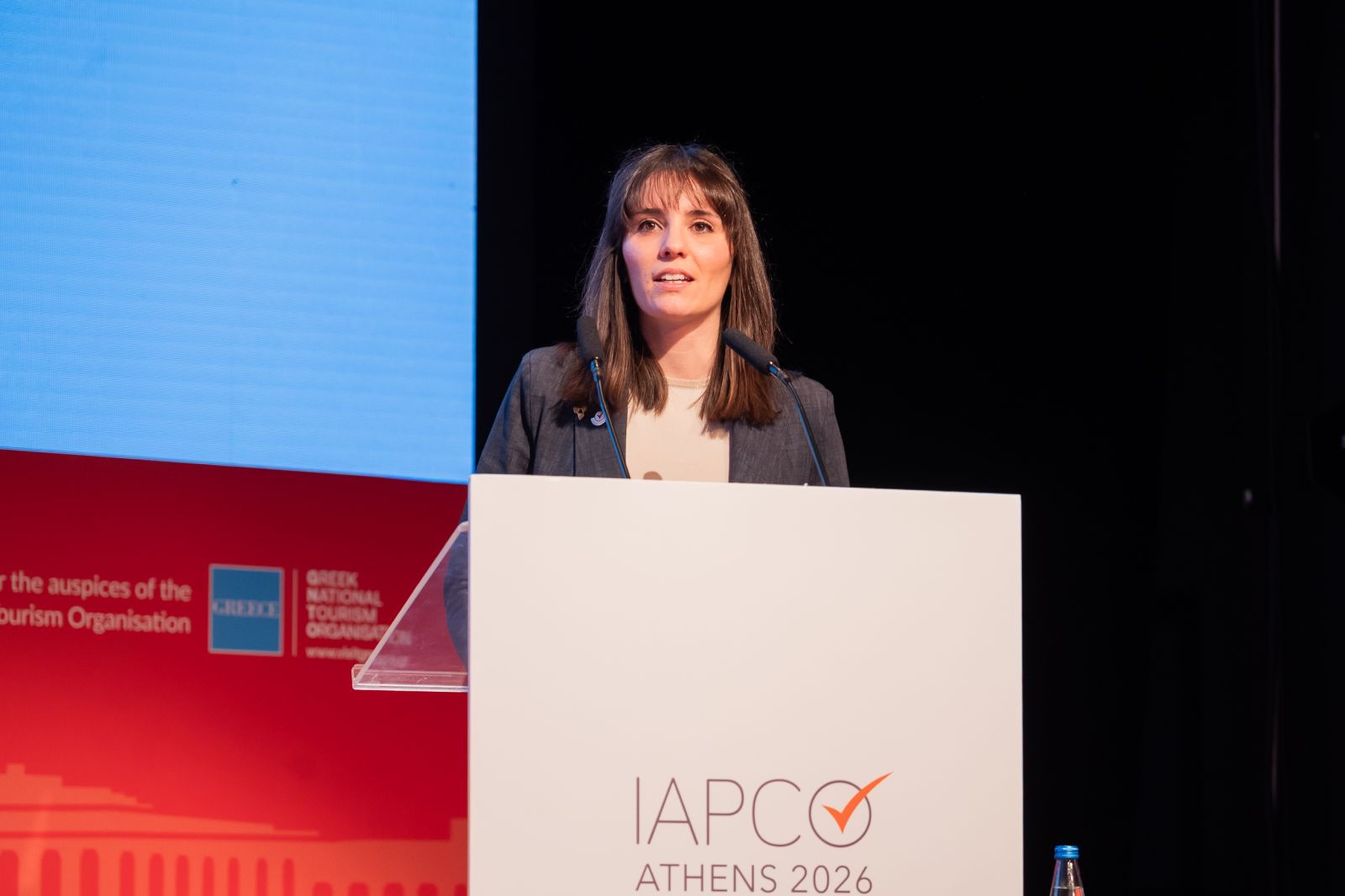
This shift towards impact management also reflects a broader redefinition of what PCOs are expected to deliver beyond logistics. Increasingly, the conversation is moving towards outcomes that are measurable not only in operational terms, but in behavioural and societal terms. As the Head of Service Design at AIM Group International, Sarri (below), puts it, “we first need to understand the starting point of all stakeholders and participants, and then define where we actually want to take them. What is the end result we are aiming for?” For her, this is where the discipline begins to evolve: “we need to define the behavioural change we are trying to achieve.” From that point onwards, the process becomes increasingly structured, requiring new hybrid roles that combine data interpretation, strategic thinking, and narrative design.
Encouragingly, there are signs of progress. Initiatives such as IAPCO’s Sustainability Awards demonstrate a broader understanding of impact, integrating environmental, social, and legacy dimensions. “For 2026, the focus will be much more quantitative and evidence-based. The goal is to strengthen engagement with governments and ensure that political decision-makers are fully aligned and supportive of the value that the industry creates,” Sarri concludes.
Whilst talent is the engine, education is the infrastructure that enables it. And in a rapidly evolving landscape, capacity building has become a strategic imperative. For Stephen Noble, Chair of the IAPCO Training Academy, the challenge is not a lack of knowledge, but the pace at which it evolves. “Our industry is changing so quickly that many PCOs are asking how they can keep up,” he explains. “The fundamentals remain the same, but there are now many more layers on top.”
These layers, sustainability, regional complexity, AI and technology, are redefining the competencies required from professionals. Yet they also introduce a fundamental tension. “AI is improving productivity,” Noble notes, “but it is not necessarily improving profitability.” This gap between efficiency and commercial performance is becoming a critical area of focus. “A project manager might now handle four projects instead of three,” he says. “But the question is whether that actually improves the financial outcome of the business.”
In response, the Training Academy is shifting its approach. Rather than focusing solely on static knowledge, it is prioritising frameworks and tools, particularly around assessment, implementation, and measurement. At the same time, the fundamentals remain nonnegotiable. Financial management, risk assessment, and operational excellence continue to underpin the profession. The challenge lies in balancing these core competencies with emerging skills.
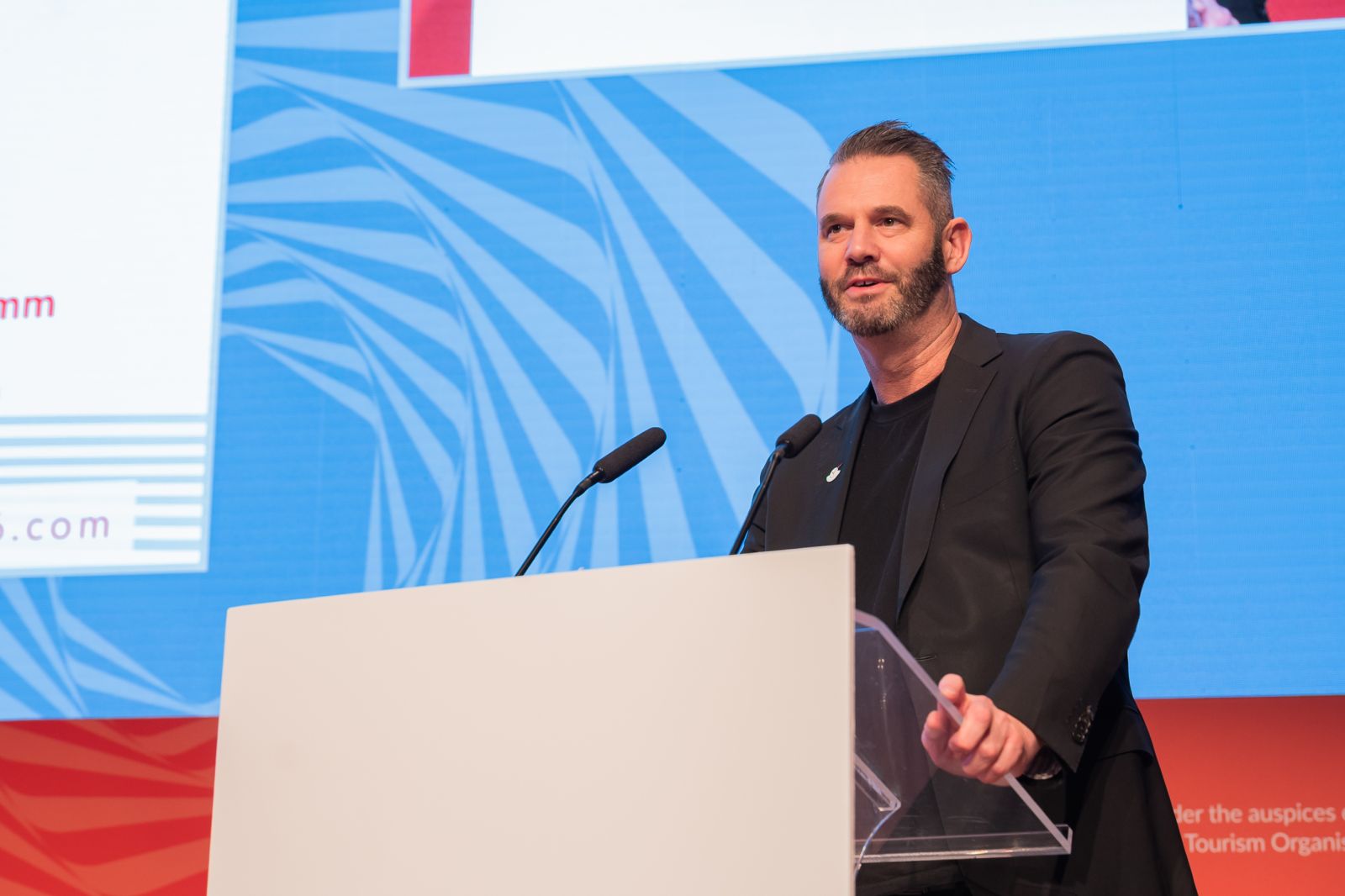
Education is also becoming more accessible and more structured. Through initiatives such as the webEDGE platform and the introduction of individual accreditation pathways, IAPCO is creating clearer entry points into the profession. “We are now providing a tangible outcome,” explains Noble (portrayed below), Asia Pacific Manager at The Conference Company. “If someone invests their time, they gain a recognised credential that validates their skills.” This is particularly important in addressing one of the industry’s most persistent challenges: visibility. “We are not naturally good at showcasing what we do,” he admits. “We operate behind the scenes, and that makes it harder to attract new talent.”
By strengthening advocacy, improving access to education, and formalising career pathways, the industry is beginning to reposition itself, not only as a service provider, but as a professional discipline in its own right.
Powered by Meeting Media Company, publisher of Headquarters Magazine (HQ) – a leading international publication based in Brussels, serving the global MICE industry and association community.
Since its founding in 1992, Meeting Media Group, publisher of Headquarters Magazine (HQ), has been a trusted guide and voice for associations and the global MICE (Meetings, Incentives, Conferences, and Exhibitions) industry.