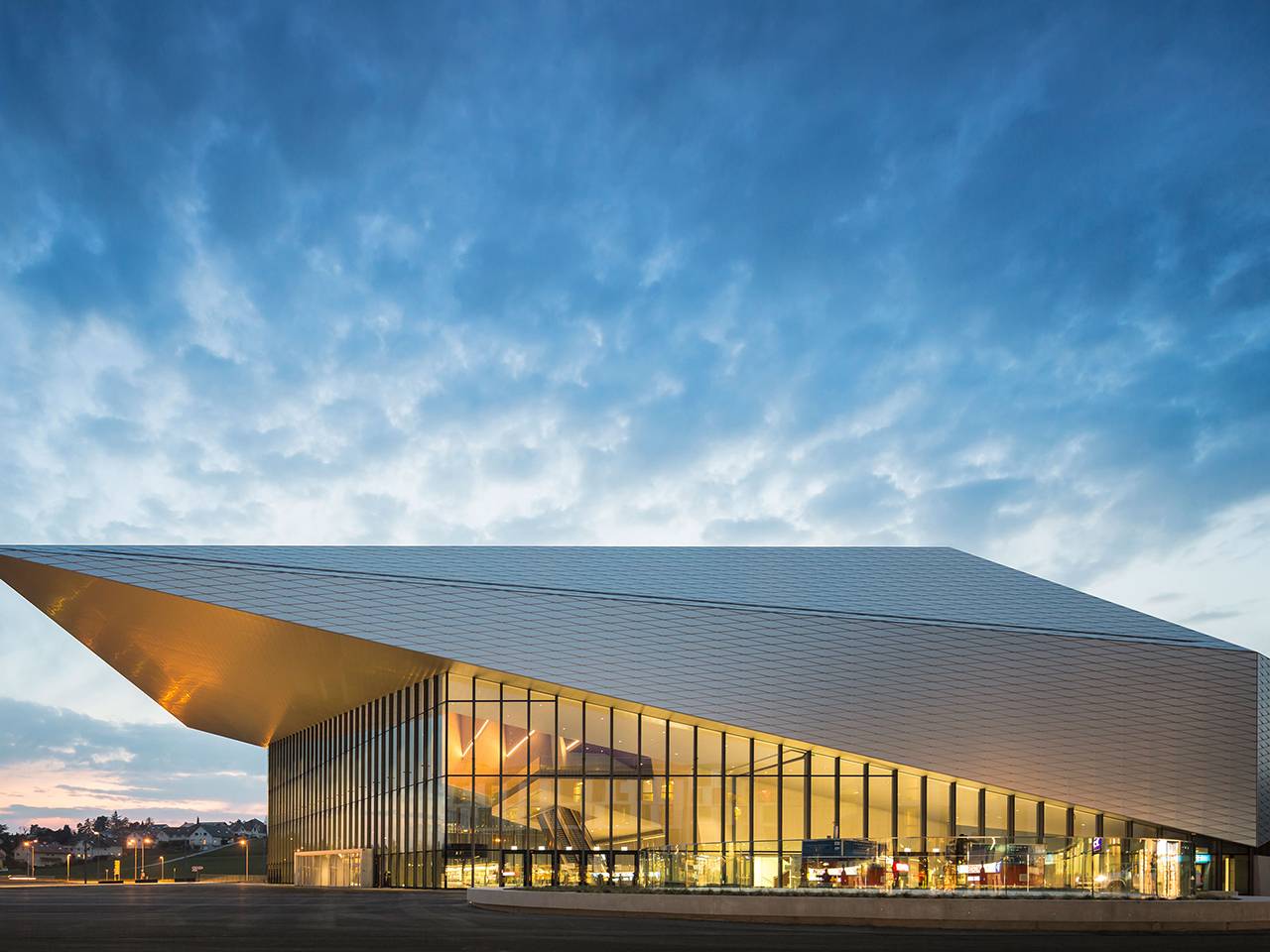
© Photos kindly provided by SwissTech Convention Center
For a long time, finance was not exactly considered as the most exciting of domains. However, that is now rapidly changing for a number of reasons. On the one hand, the succession of crises – from the pandemic, through skyrocketing inflation to the more recent geopolitical turmoil – has made it more critical than ever to be on top of finances. And never before were there so many tools allowing to mine the data needed for doing so.
Authors: Eric Manganel (left), COO, SwissTech Convention Center, and Sven Bossu (right), CEO, AIPC
 Within any organisation, there is one person who does not like surprises: the Chief Financial Officer. Unfortunately, that very person has had her/his share of them over the last years. There was the pandemic, the energy crisis followed by high level of inflation and more recently the geopolitical tensions. All of these have had a considerable and non-predictable impact on budgets. As a result of these circumstances, organisations need to be extremely flexible in order to keep the bottom-line figures black.
A key element required for doing so, is having the correct and up-to-date data available, which allows us to take decisions in a knowledgeable way. Fortunately, there is a growing suite of tools easily available for doing so. In the case of a convention centre, mining data for financial purposes actually allows for two things: financial management at the level of the venue but also providing organisers with the information to make their event the most cost-effective possible.

Located on Europe’s most cosmopolitan technical university campus, the SwissTech Convention Center quickly understood the power of data and the benefits data mining could bring. The challenge consisted of defining the right questions to be asked. As events are a people business, the approach taken was to first create full transparency at organisational level on the use of human resources, which consisted of two parts: a detailed job description, allowing to be 100% clear on who does what, and monitoring of the time spent on the different tasks.
This approach allows us to spot the areas which are resource intensive and check whether efficiency increases can be put in place. At the same time, it ensures that there is no waste by having multiple persons doing the same things (or in the worst-case scenario: nobody doing a specific task, because everyone thought somebody else was in charge). Furthermore, data analysis revealed that the efforts invested into similar size events varied significantly. Thus, creating a standard amount of time to deliver a specific event size. Knowing this enables a transparent discussion with the client as to what the cost of the event would be within the defined scope.
This methodology of allocating the right type and number of resources on identified tasks not only enables a smooth planning of resources allocated to events, but also ensures that the element of resources is integrated to the event pricing. This in turn allows transparency on the resources’ rate of return on any given event and thus a better optimisation of the margins. The customer is also informed of the resources that are assigned to their event. This enables a climate of trust and alignment on delivering the event between the customer and the venue.
One of the lessons learned in putting this in place is not to underestimate the effort it will take as leaders to explain why you want to do this. Research done by Gartner demonstrated that leaders need to communicate four steps: the market context, the organisational goals, the business strategy and the strategy-aligned employee behaviours. Doing so successfully can increase the willingness to change at employee level by 73%.
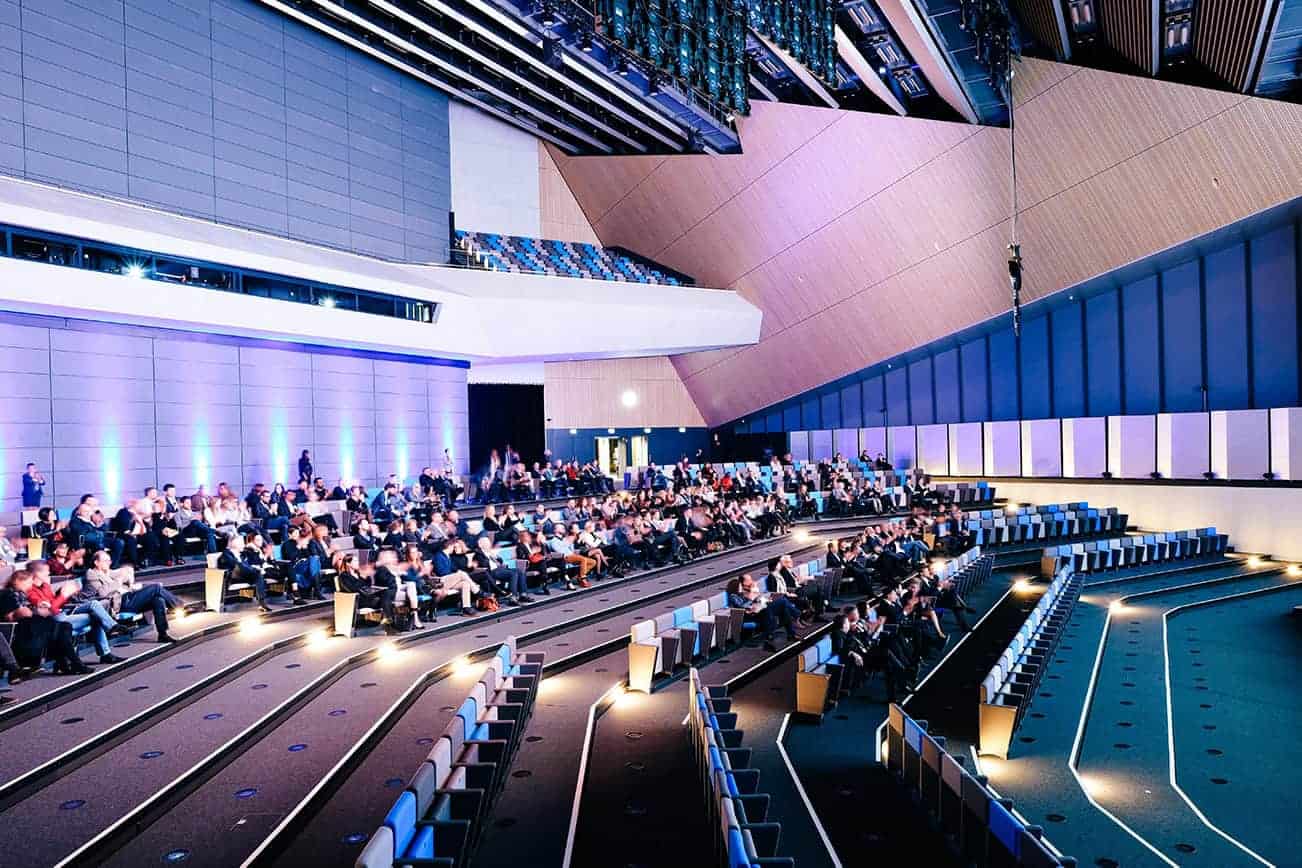
Once put in place, the next step is to use these data to guide event organisers in becoming more cost efficient. An obvious, but sometimes underestimated, way of doing so is to reduce the number of “touchpoints”, which can be defined as each time an organiser and a venue interact. These interactions can vary from a review of a contract clause to a change of floorplan and anything in between. The important thing is that each touchpoint represents an amount of time (and therefore budget) on both sides. Decreasing the number of touchpoints – hence increasing the efficiency in the relationship – is a real win-win and will enhance the overall experience.
There are different ways of doing so (not all secrets will be disclosed in this article), but the overall goal is about creating a better experience for all parties involved. AI will definitely be part of this future, alongside a better use of all the tools and platforms already in place. The end goal is freeing up time to focus on what is really important: delivering the unique experiences every delegate wants. And that is what makes finance fun.
Powered by Meeting Media Company, publisher of Headquarters Magazine (HQ) – a leading international publication based in Brussels, serving the global MICE industry and association community.
Since its founding in 1992, Meeting Media Group, publisher of Headquarters Magazine (HQ), has been a trusted guide and voice for associations and the global MICE (Meetings, Incentives, Conferences, and Exhibitions) industry.