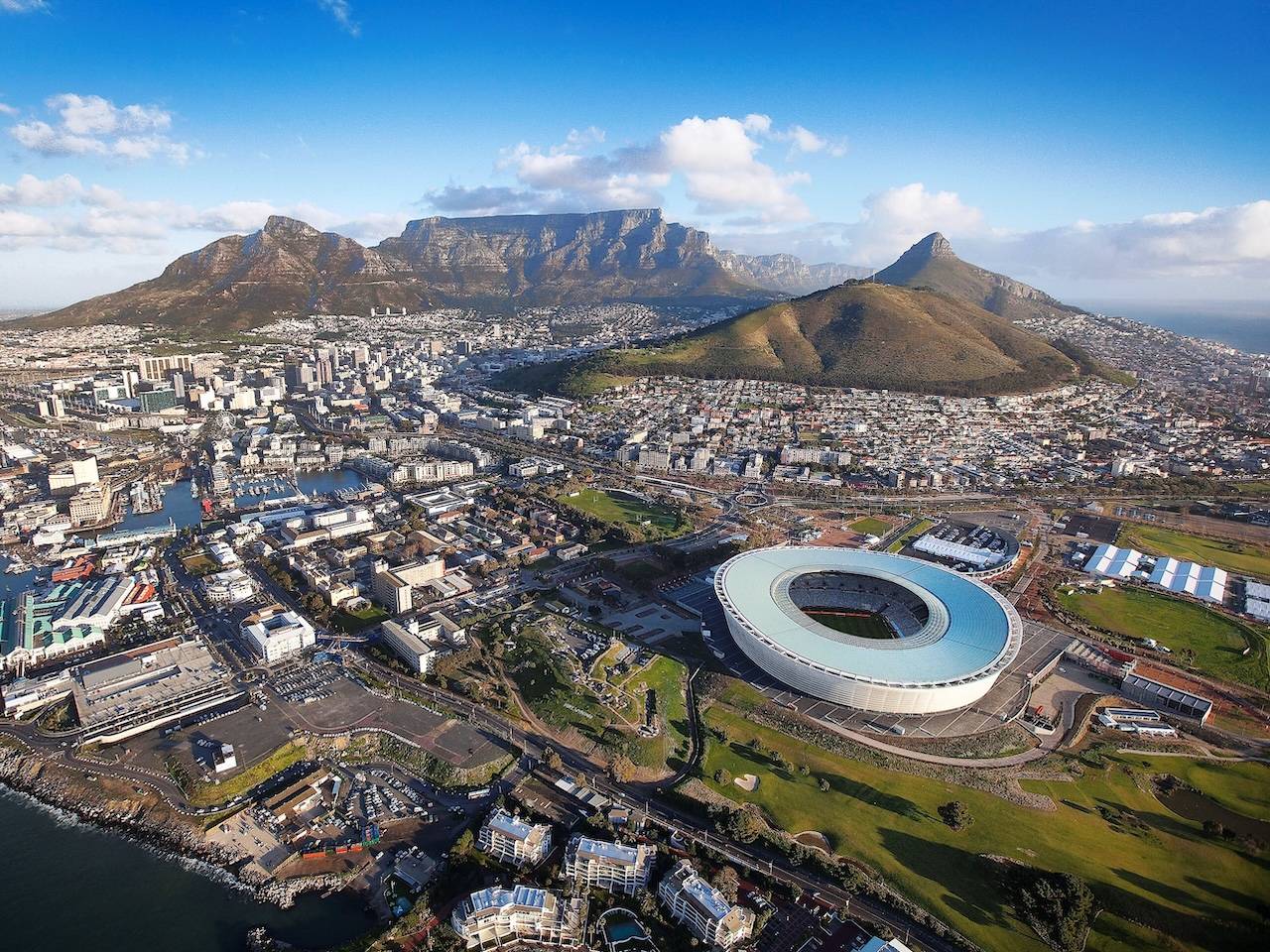
When the BestCities Global Forum arrives in Cape Town in 2027, it will mark more than a change of host city. Following Guadalajara and preceding the Forum’s future journey to Dubai, the event represents another chapter in an ongoing global conversation about how meetings can create meaningful and lasting impact.
.png) Held under the theme 'Connected by Purpose: Global Perspectives, Shared Values,' the Global Forum 2027 speaks directly to one of the defining questions facing the meetings industry today: how can events create impact that extends beyond the conference hall and contributes to wider economic, social and community outcomes?
Held under the theme 'Connected by Purpose: Global Perspectives, Shared Values,' the Global Forum 2027 speaks directly to one of the defining questions facing the meetings industry today: how can events create impact that extends beyond the conference hall and contributes to wider economic, social and community outcomes?
For Cape Town, the opportunity arrives at a particularly significant moment. “Hosting the 2027 BestCities Global Forum represents a significant milestone in Cape Town’s international evolution,” says Adriaan Fourie (right), Head of Cape Town & Western Cape Convention Bureau. “It provides an opportunity to showcase not only our destination, but also the role that business events can play in advancing knowledge, collaboration and meaningful impact.”
The timing could hardly be more fitting. Having retained its position as Africa’s leading convention destination in the ICCA 2025 rankings, Cape Town is being recognised for the intellectual capital that underpins its meetings industry, from world-class universities and research institutions to the expertise driving some of the continent’s most dynamic sectors.
For decades, Cape Town’s global reputation has been shaped by its extraordinary landscapes, rich cultural diversity and world-renowned visitor experiences. Yet increasingly, the city is positioning itself around another defining strength: knowledge. “The goal is not to replace our tourism appeal, but to build upon it,” says Fourie. “The city’s unique ability to combine exceptional visitor experiences with academic excellence, innovation and industry expertise is what sets it apart.”
Cape Town is home to internationally respected universities and research institutions, including the University of Cape Town, Stellenbosch University, the University of the Western Cape and the Cape Peninsula University of Technology. Together, they contribute to globally relevant research and innovation across disciplines ranging from healthcare and life sciences to engineering, sustainability and social development.
Beyond academia, the city has developed expertise across a number of high-growth sectors, including technology and digital innovation, financial services, renewable energy, advanced manufacturing, healthcare and the ocean economy. These sectors are not only driving economic growth but are also harnessing sources of expertise and thought leadership on issues of global importance for communities at large.
Business events have become a powerful mechanism for connecting these local strengths with international networks, serving as platforms for collaboration, investment, research partnerships and knowledge exchange. As Fourie puts it, “This is how the city continues to evolve from a place people visit to a place where people come to learn, connect, and shape the future.”
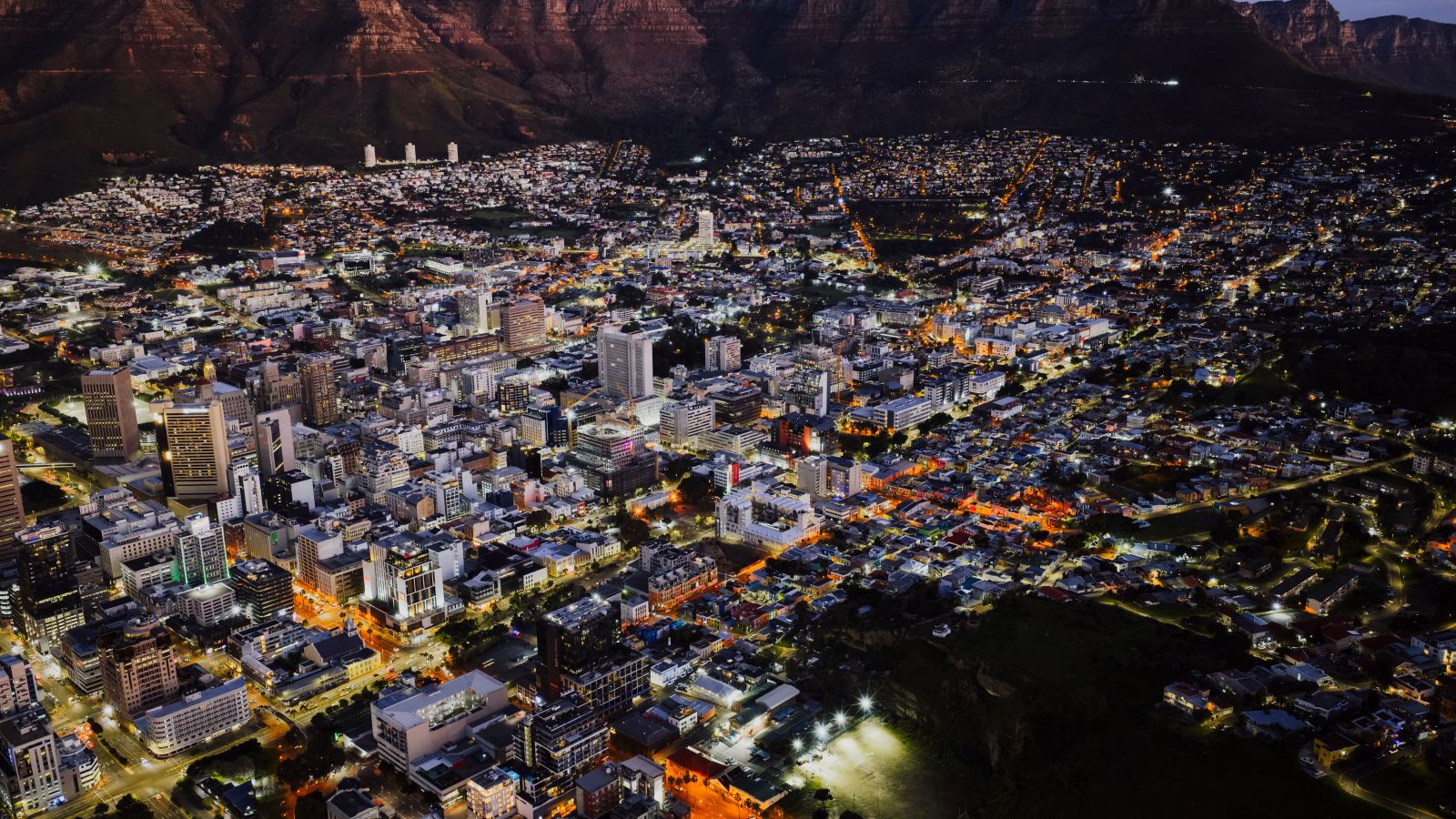
If the BestCities Global Forum has a defining ambition, it is to demonstrate that legacy is something that must be intentionally designed into it from the beginning. “The true success of an event lies in the lasting benefits it creates for people, communities and sectors long after delegates have returned home,” says Fourie. “Association events have mostly created value beyond the meeting itself; the difference today is that this impact is increasingly being measured, tracked and intentionally embedded into event strategies."
That philosophy sits at the heart of Cape Town’s plans for the Forum, whose legacy programme is being built around four interconnected pillars: Knowledge Exchange, Sustainability, Education and Culture. Knowledge Exchange focuses on creating opportunities for local professionals, researchers, entrepreneurs and emerging leaders to engage with international expertise. The objective is not simply to host conversations, but to ensure knowledge remains within the destination and contributes to future growth and innovation. A dedicated post-Forum Community Impact Workshop is expected to identify opportunities for ongoing collaboration and long-term value creation.
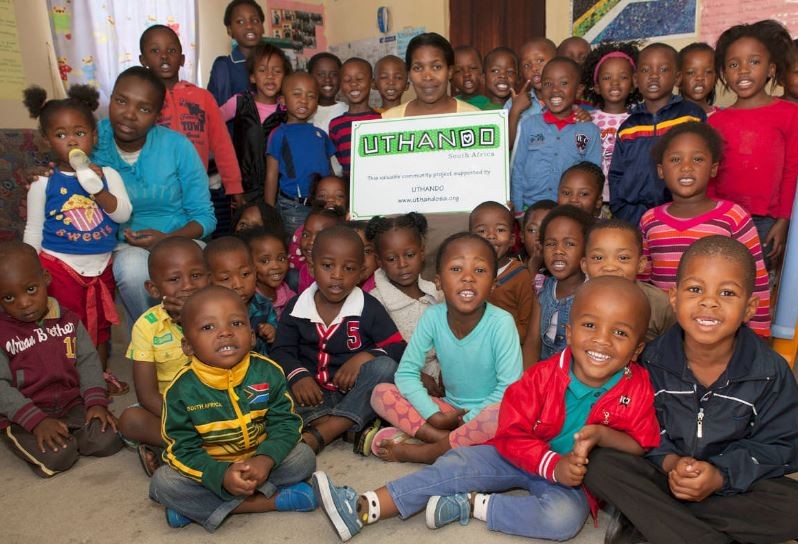
Sustainability extends beyond environmental responsibility to encompass broader social outcomes. One example is the Waste to Wonder initiative, which seeks to repurpose materials used during events into practical community assets, transforming temporary event infrastructure into resources with lasting local benefit. The Education pillar is perhaps best illustrated through support for the Goal50 Early Childhood Development Centre in Heideveld. Rather than viewing education as a broad aspiration, the initiative focuses on tangible interventions that support learning opportunities and community development at grassroots level.
Culture, meanwhile, occupies a particularly important place within the legacy framework. Rather than being treated as a destination showcase, it is being positioned as a tool for connection, understanding and dialogue. The programme will draw on African traditions of storytelling, collective problem-solving and community engagement, creating opportunities for delegates to engage more deeply with the people, perspectives and lived experiences that shape the destination.
Some of the Forum’s cultural and community initiatives will be delivered in partnership with organisations such as Uthando South Africa, whose work connects visitors with locally led social and development projects across the city. Together, these initiatives reflect a wider ambition. “Destinations, associations and event organisers are now placing greater emphasis on identifying, measuring and maximising outcomes to ensure that benefits are broader, more inclusive and longer lasting,” says Fourie.
Cape Town’s continued success within the ICCA rankings also tells a larger story about Africa’s evolving role within the global meetings landscape. “This reflects the growing recognition of Africa as a credible, competitive and influential player within the global meetings industry,” says Fourie. “In many ways, Cape Town’s success is also Africa’s success.”
For many years, international perceptions of Africa were shaped by limited exposure and outdated assumptions. Yet, today, the continent is rising as a source of innovation, expertise, entrepreneurship and research leadership. Africa is home to some of the world’s fastest-growing economies, rapidly expanding urban centres, dynamic entrepreneurial ecosystems and a generation of young innovators helping shape solutions to global challenges. These developments are creating new opportunities for international associations seeking fresh perspectives, new partnerships and emerging centres of expertise.
“International associations are increasingly looking to the continent not only as a host region, but as a source of knowledge, innovation, expertise and solutions,” says Fourie. For destinations such as Cape Town, this creates both an opportunity and a responsibility. Hosting international meetings is no longer just about bringing delegates to Africa, but to ensure African voices, experiences and expertise contribute meaningfully to global conversations.
Few destinations are better positioned to facilitate those exchanges. Through conferences focused on healthcare, sustainability, astronomy, climate action and scientific research, Cape Town has become a meeting point between local expertise and global dialogue. Fourie believes the continent’s role in shaping future agendas will only continue to grow. “Africa is not waiting for a seat at the table,” he says. “It is helping to set the agenda on issues that matter to the future of our world.”
(This report is part of an editorial series developed in partnership with the BestCities Global Alliance, exploring the people, perspectives and strategies behind the work of its member cities as they shape the future of global business events.)
Published by Meeting Media Company, the publisher of Headquarters Magazine (HQ) – a leading international publication based in Brussels, serving the global MICE industry and association community.

Since its founding in 1992, Meeting Media Group, publisher of Headquarters Magazine (HQ), has been a trusted guide and voice for associations and the global MICE (Meetings, Incentives, Conferences, and Exhibitions) industry.