© All photos courtesy of washington.org
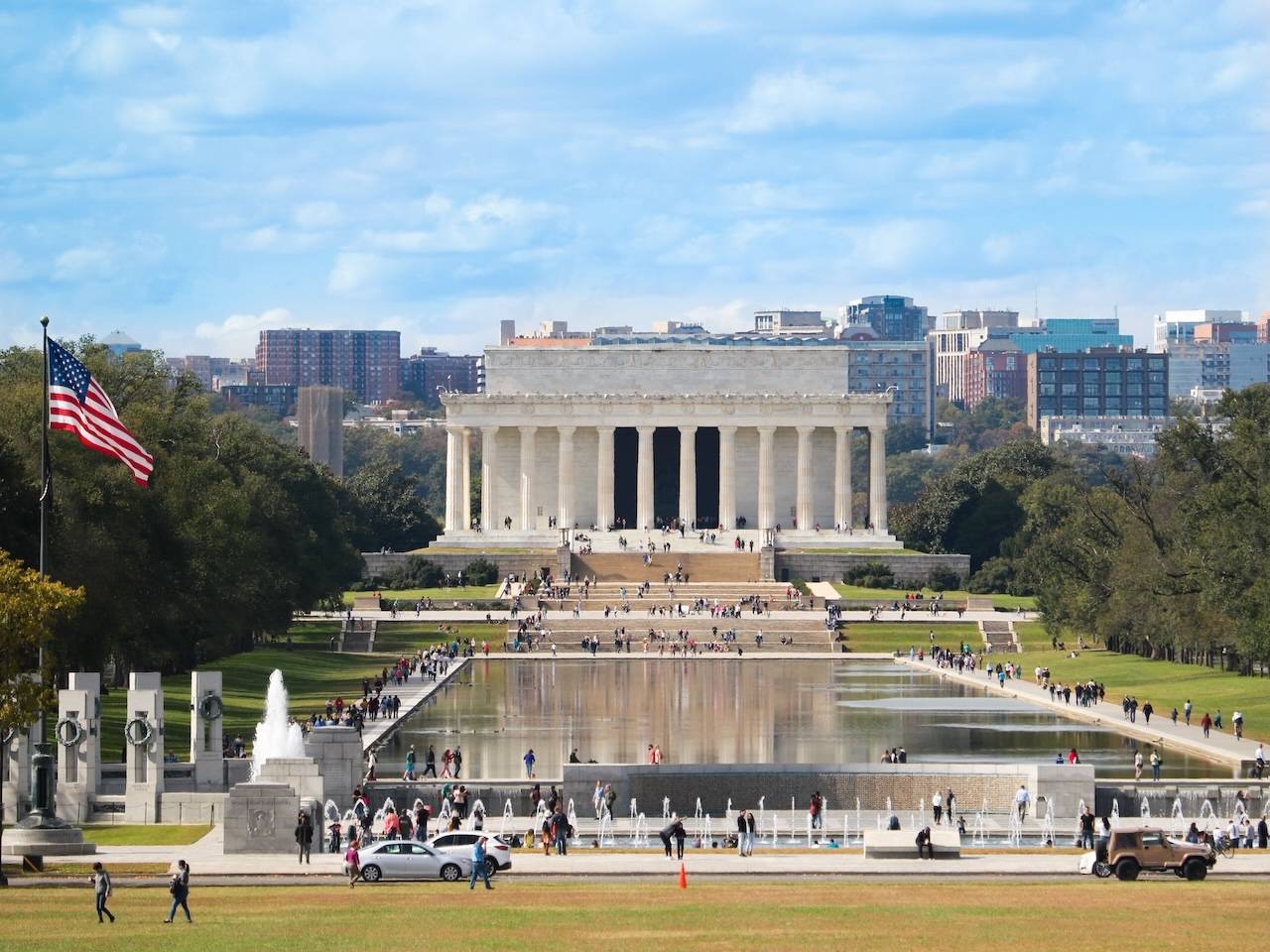
Washington, DC is entering a defining period in its destination story. As the United States marks a period of global visibility shaped by America’s 250th anniversary celebrations, the FIFA World Cup and the road to the Los Angeles 2028 Olympic and Paralympic Games, the nation’s capital is leveraging its unique mix of political influence, intellectual capital and cultural assets to elevate its profile in the global events market.
Author: Manuel A. Fernandes, HQ Magazine Manager
The timing is significant. Destination DC recently announced record tourism performance, with 27.2 million visitors generating US$11.9 (€10.3) billion in visitor spending. Yet, beneath those headline figures lies a more complex reality. International visitation declined by 4% yearon-year, reflecting broader challenges facing the US travel market. Even so, Washington, DC outperformed the national average dropf of 5.5%.
 For Melissa Riley (right), Senior Vice President of Convention Sales and Services at Destination DC, these figures reinforce the importance of long-term thinking. “We are really making sure that we are investing in the right markets at the right time with the right financial support,” she says. “At the end of the day, this is a long game.” That perspective is particularly relevant as Destination DC navigates reduced funding these days; still, Riley remains confident that sustained destination marketing investment continues to deliver value. “The investments we have made over the past several years will continue generating momentum well into the future,” she says. “Destination marketing is, by its nature, a long-term investment strategy.”
For many international audiences, Washington, DC remains defined by politics. Riley argues that this perception overlooks much of what makes the destination distinctive. “Washington is really a tale of two cities,” she says. “There is the city associated with Capitol Hill and policymaking. Then there is the other where people live, work and build communities.” That distinction sits at the heart of Destination DC’s There’s Only One DC campaign, which aims to showcase the city’s neighbourhoods, culinary scene, cultural diversity and quality of life alongside its institutional relevance.
“People come with a preconceived notion of Washington, and then discover an entirely different city,” Riley says. “The reaction is almost always: ‘I had no idea.’” For meeting planners, that transformation is increasingly valuable. In addition to convention centres and hotels, delegates gain access to world-class museums, cultural institutions and neighbourhood offerings that enrich the overall event journey. “A great leisure destination makes a great meeting destination,” Riley notes.
While infrastructure remains critical, Riley believes the role of destination organisations is evolving rapidly. “The role of the DMO today is no longer limited to promoting hotels, convention centres or meeting space,” she says. “Increasingly, we are becoming subject-matter experts, connectors and knowledge hubs for our destinations.”
This philosophy underpins Destination DC’s Meetings Capitalized strategy, unveiled at IMEX Frankfurt. The initiative places greater emphasis on the city’s intellectual and institutional assets, from universities and associations to think-tanks, embassies and policymakers. “We have been positioning that intellectual capital for the past 10 to 15 years,” Riley explains. “But now we are looking beyond traditional sector-based framing and focusing more on experiences and outcomes.
Washington, DC’s status as the US capital also creates unique opportunities for advocacy, diplomacy and knowledge exchange. “There is no other place in the United States where organisations can engage with policymakers in the same way,” she says. “Throughout history, people have gathered in Washington and changed the course of history through dialogue and exchange.” Rather than distancing itself from its political identity, the city is learning how to leverage it as a competitive advantage for business events.
Another area shaping DC’s meetings strategy is inclusion. For Riley, inclusion is no longer simply a matter of accessibility compliance. Instead, it must be embedded throughout the delegate journey. “Inclusion is only going to become more significant in the years ahead,” she says. “We want to be proactive in designing experiences where every delegate feels welcomed, valued and supported. That includes creating environments that accommodate neuro-divergent attendees, offering quiet spaces and lasting impressions that recognise a wider range of participant needs."
The approach is already influencing how events are delivered. The International Society on Thrombosis and Haemostasis became the first congress in Washington where Destination DC helped facilitate a dedicated childcare centre. Meanwhile, the American Speech-Language Hearing Association partnered with Planet Word museum to create an exhibition focused on speech disorders, turning the destination itself into part of the learning process. “It gave attendees a sense of belonging and recognition,” Riley says. “It showed how the city could authentically support a highly specialised professional community.”
The focus on social impact is not confined to individual events. Through the NextDC, their official nonprofit partner, Destination DC supports hospitality education, internships and scholarships designed to strengthen the future workforce. “When the industry invests in the next generation of talent, it creates a long-term cycle of shared success,” Riley says.
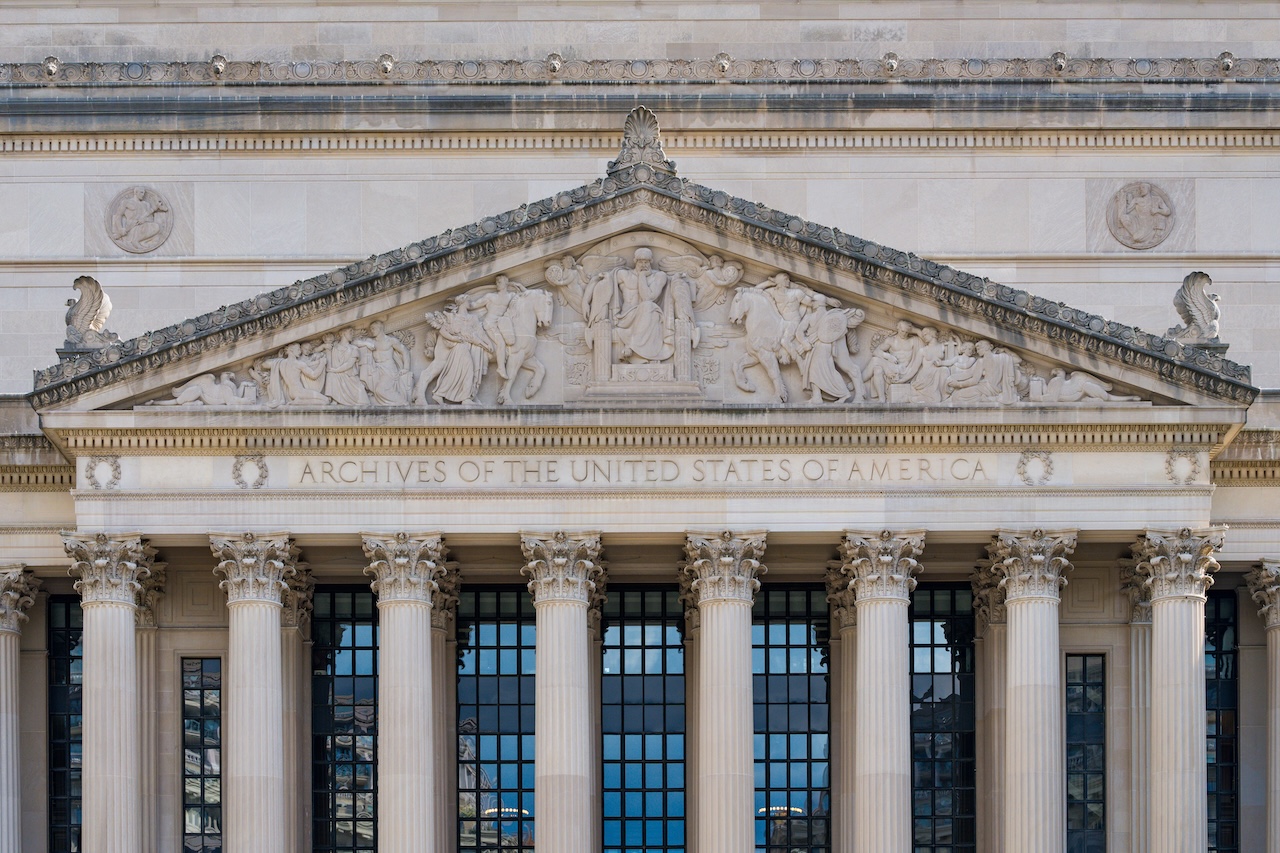
The America 250 celebrations provided another major boost for the destination. Destination DC is helping planners integrate anniversary-related activities into meetings and conventions, while museums and cultural institutions across the city are developing new exhibitions and programmes. “The 250th anniversary of the United States is a tremendous opportunity for Washington, DC,” Riley says.
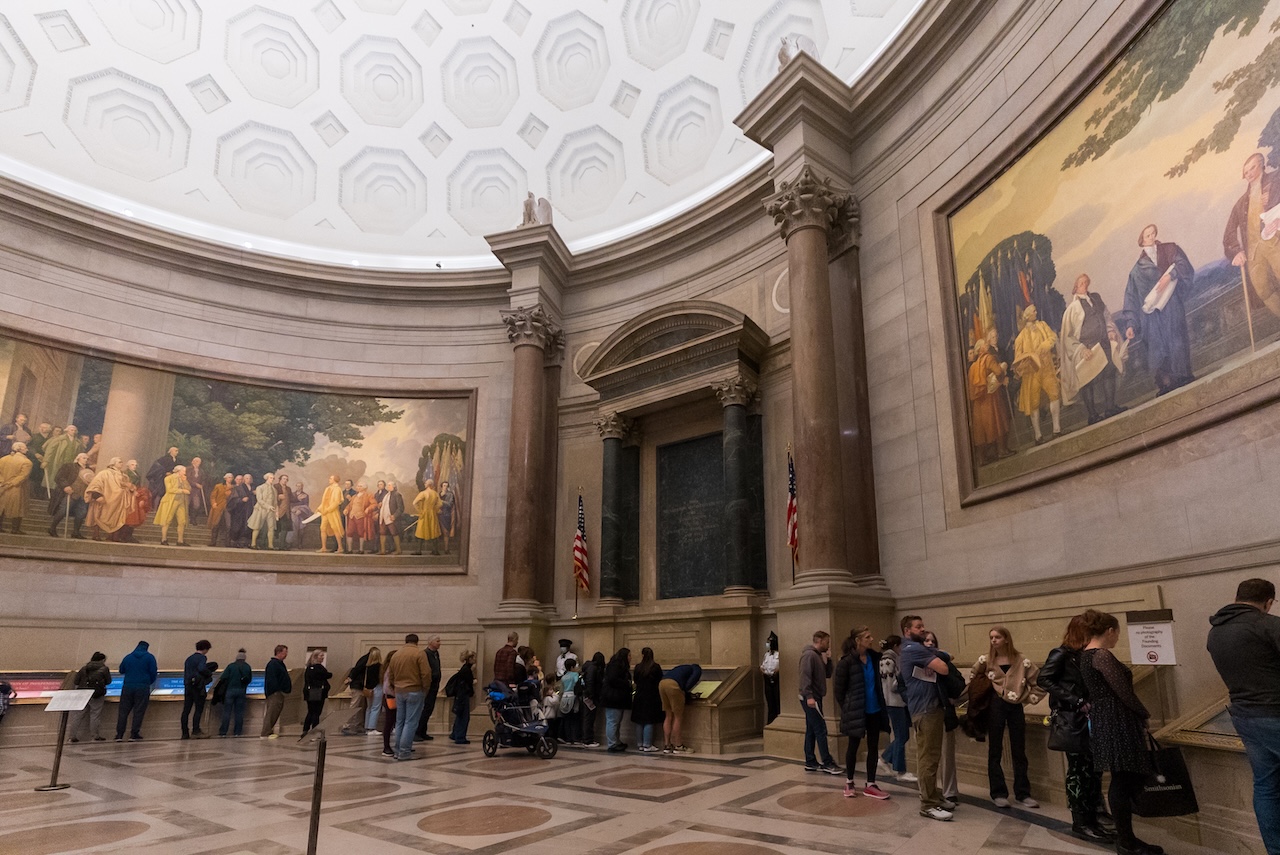
One recent example saw delegates attending an event at the National Archives, dining in the presence of some of the nation’s founding documents, including the Declaration of Independence. “There is only one place where attendees can network while being immersed in the institutions and stories that have shaped the United States,” she says. For Riley, these settings demonstrate how destinations can move beyond infrastructure and make the city itself part of the meeting.
That same philosophy of collaboration also informs Destination DC’s participation in the BestCities Global Alliance. “What makes BestCities particularly important is that it brings together cities that share common values and long-term ambitions,” Riley says. While business development still carries weight, she believes the alliance’s greatest value lies in knowledge sharing. “As an industry, we can only continue to evolve if we are willing to share not only our successes, but also the lessons learned from initiatives that did not work as expected.”
In many ways, that sentiment captures Washington’s current approach. At a time when destinations face growing competition and changing expectations, the city is looking beyond traditional measures of success. Economic impact remains a benchmark, but increasingly it is being complemented by intellectual capital, inclusion, legacy and meaningful human connection. Perhaps that is why so many visitors leave the city with a different impression than the one they arrived with. “People come with a preconceived notion of Washington,” Riley reflects. “And then they discover an entirely different city.”
(This report is part of an editorial series developed in partnership with the BestCities Global Alliance, exploring the people, perspectives and strategies behind the work of its member cities as they shape the future of global business events.)
Published by Meeting Media Company, the publisher of Headquarters Magazine (HQ) – a leading international publication based in Brussels, serving the global MICE industry and association community.

Since its founding in 1992, Meeting Media Group, publisher of Headquarters Magazine (HQ), has been a trusted guide and voice for associations and the global MICE (Meetings, Incentives, Conferences, and Exhibitions) industry.