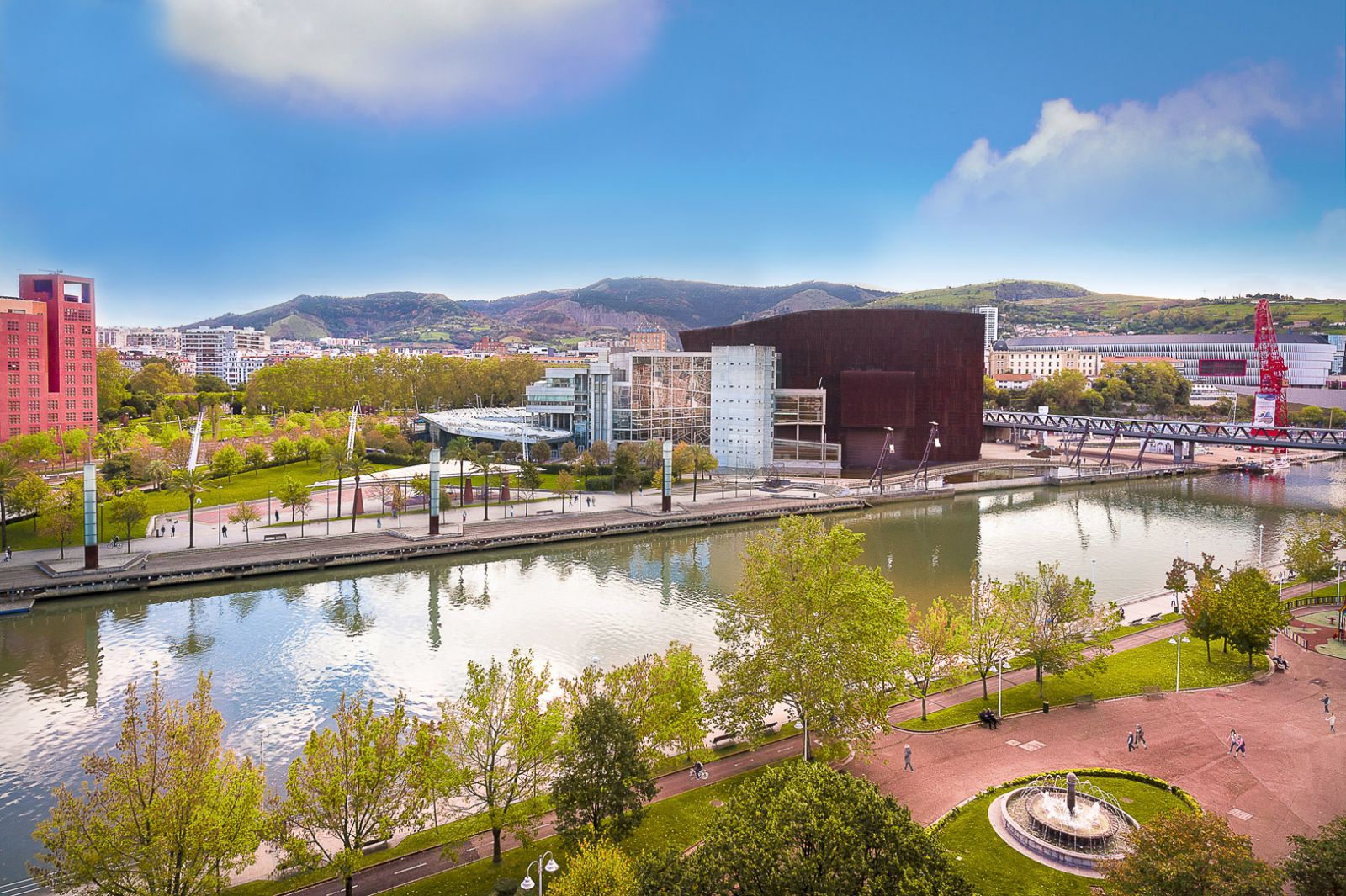
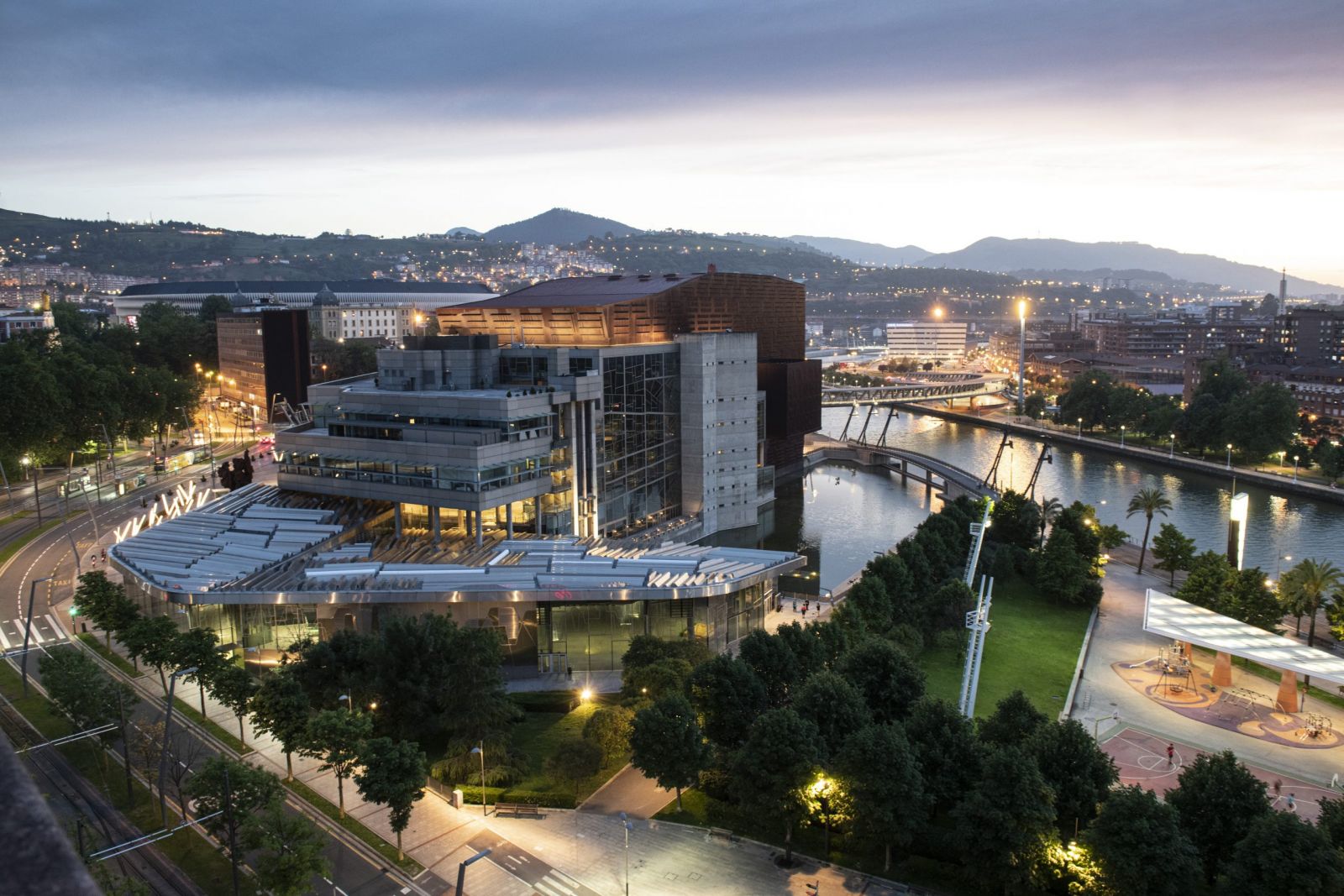
Euskalduna, in Bilbao, the venue for the 2026 AIPC Conference © All photos courtesy of Euskalduna Bilbao
As artificial intelligence continues to reshape the business events landscape, the industry faces an important question: how can technology enhance, rather than replace, meaningful human connection?
Ahead of the AIPC Annual Conference in Bilbao (28 June – 1 July), Sven Bossu, CEO of AIPC, explores how convention centres and event organisers can use emerging technologies to create more personalised, relevant and impactful experiences while responding to a growing need for community, trust and face-to-face engagement.
His opinion piece sets the stage for a conference that will bring together 170 venue leaders from around the world to discuss the future of events in an increasingly digital age.
Technology, specifically AI, seems to be right, left and centre, with new developments happening on an almost daily business. And while this will of course impact the event industry, it is my believe that the human aspects of what we do will only become more important. And while it sound like a contradiction, it actually technology which will allow us to do so.
At every event meeting gathering, there were presentations on AI and what it can bring to our industry. If you look specifically at the AIPC Community of convention centers, there is indeed a lot of potential: from robots doing back-of-house deliveries like in Marina Bay Sands to the use of chatbots to deal faster with customer queries. However, at the end, convention centers and the events they host are about connecting people and there is a real need for that. The World Health Organization (WHO) has highlighted loneliness as a major global public health issue, indicating that about 1 in 6 people worldwide are affected. People want to be part of a community, but seem to have “forgotten” how to do so.
This is driven by cultural shifts, changing social norms and the use of technology, which impacted the way we connect. Both my children are GenZ, so I witness firsthand how very differently they connect and network. Phones are no longer used to actually call and talk to each other, but are used to send messages, connect to (digital) communities which reflect their values and find content which is perceived as relevant to them, resulting in a high degree of personalisation. Spontaneous connections, like while waiting in the queue for a coffee, are far less likely to happen.
So how can this be addressed? In my view, it is actually the use of technology which will allow to reconnect persons in a physical setting, like a business events meeting. But is does mean that we will need to do a number of things differently.
It will all start with the registration, which will become the true engine of the human connectivity at the event. Instead of just asking for name, title and company, far more data will be collected on the objectives and wishes of the delegates. What do you want to achieve? How do you like to network? Which type of people would you like to meet? This dataset will be cross referenced with publicly available data, allowing to create a highly personalised journey, both at the level of the content and the level of the networking, moving away from a mass agendas. But technology will allow to take it one step further and compare the expected behavior of the delegates with the actual behavior on a life basis, allowing to adjust almost instantly in case of discrepancies.
Will this take away the serendipity, which every event afficionado thinks so highly about? Potentially. Does this re-enforce the echo-chamber effect, whereby we only connect with persons who think just like us? There will be a certain degree of that. But at the end, all what this technology will do is support people to learn, share and connect in the way they want and with whom they want, cutting through the noise and getting the maximum value out of the event.
This upcoming generation, the likes of my children, want a different value proposition from events, simply because of the way they have grown up in a digital way. They want to be in charge of what content they consume, how they consume it and who they connect with and at the same time want to be offered easy and curated ways of doing so.
So while the robots and the chatbots will of course bring efficiency, the same technology will also allow the address the very human need to connect and be part of a community of real persons, seeing each other in the eye and sharing real experiences.
The impact of these changes on event organisers and convention centers is not to be underestimated. It will require investment in technology and in people and we will not get it right the first time. But in times where trust is decreasing, physical events offer an unique haven for people to reconnect with their truly human side.
This will also be the leading theme of the AIPC Annual Conference Bilboa (28 June – July 1st) – hope to see you there! We have amazing speakers lined up, both from the event industry and outside, and the Bilbao team will make sure you will have an amazing experience. And most importantly: we will have 170 convention center leaders under one roof for 3 days – magic is bound to happen.
Powered by Meeting Media Company, publisher of Headquarters Magazine (HQ) – a leading international publication based in Brussels, serving the global MICE industry and association community.
Since its founding in 1992, Meeting Media Group, publisher of Headquarters Magazine (HQ), has been a trusted guide and voice for associations and the global MICE (Meetings, Incentives, Conferences, and Exhibitions) industry.