In recent years, Dublin has been quietly redefining the role international conferences can play within its borders. Rather than viewing them solely through an economic lens, the city and its partners increasingly approach business events as platforms for long-term societal impact, opportunities to advance research, influence policy conversations and drive meaningful change within communities.
Few gatherings illustrate this shift more clearly than the Autism Europe Congress 2025, organised by Autism-Europe in partnership with Ireland’s autism charity AsIAm and its founder and conference ambassador, Adam Harris. Bringing together almost 2,000 delegates from across Europe and beyond, the congress was designed not only as a forum for research and policy exchange, but also as a catalyst for change in how cities approach inclusive event design and community engagement.
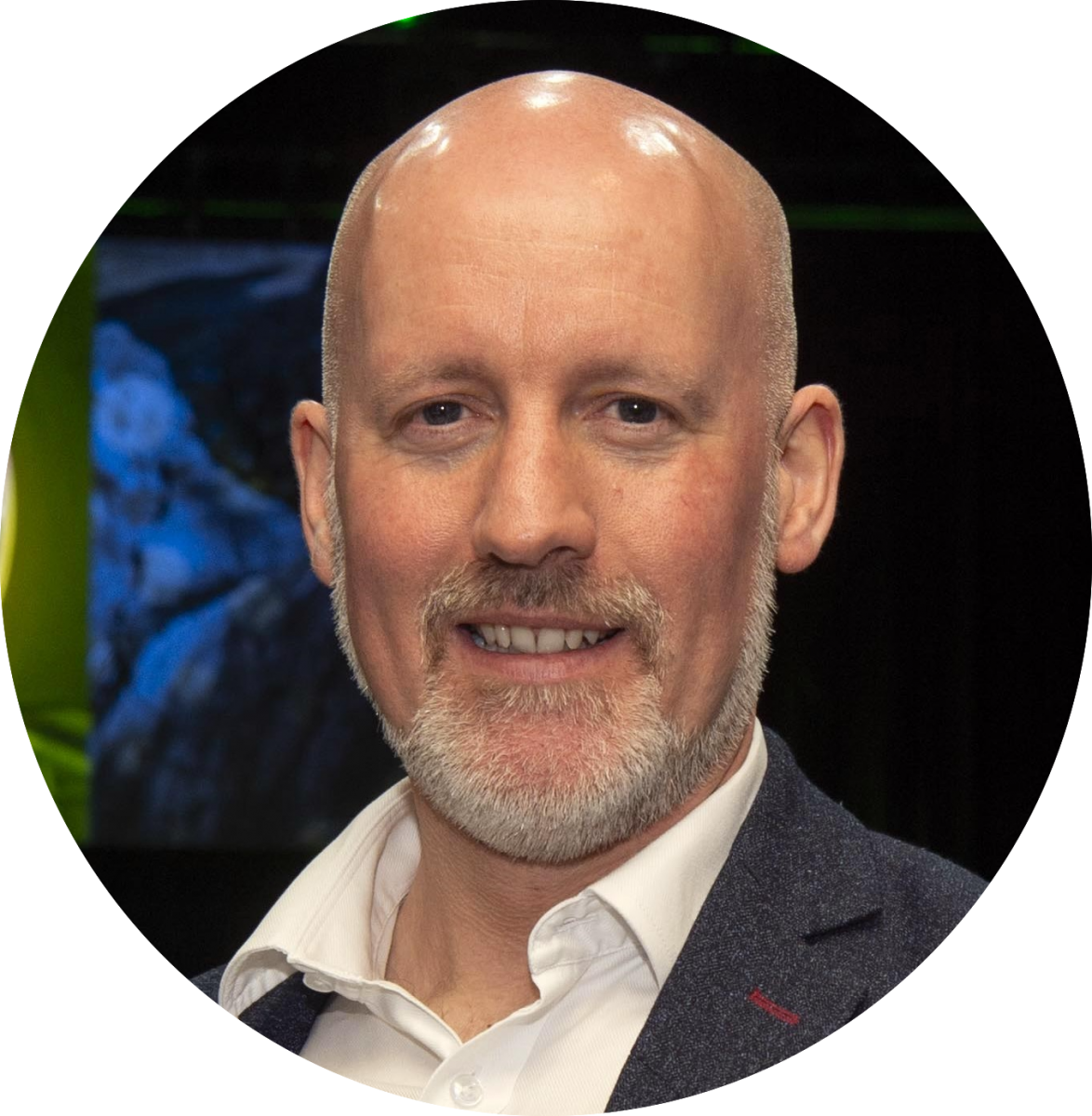 For Dublin, the event aligned with a broader ambition: becoming the world’s first autism-friendly capital city. As Paul Mockler (pictured on the right), Head of Business Development at Fáilte Ireland, explains: “From a destination perspective, our vision of success stretches far beyond the delegates who came to Dublin for the Congress. It was a milestone, an example of a large-scale business event that was genuinely inclusive, where every attendee felt equal, valued and respected.”
More importantly, the congress was never intended as a one-off moment. “For Dublin, the congress was not the end goal. It was the catalyst. It created a ripple and real success is when that ripple grows stronger and more visible over time,” he adds. This approach reflects a wider shift in the global meetings industry, where destinations are increasingly measured not only by infrastructure or visitor numbers but by their ability to generate meaningful legacy.
Dublin’s approach to impact-driven events is closely aligned with Ireland’s business events strategy, Business Events 2030, which was developed by the Department of Enterprise, Tourism and Employment, Fáilte Ireland, the National Tourism Development Authority of Ireland, Tourism Ireland and industry stakeholders. Through the Business Events 2030 strategy, Ireland is positioning conferences as tools to contribute to innovation, knowledge exchange and societal progress. The strategy emphasises three interconnected principles: transformation, sustainability and community.
Within the strategy, events are increasingly expected to deliver benefits beyond the conference room, supporting research collaboration, influencing policy discussions and engaging local communities. According to Mockler, the Autism Europe Congress 2025 quickly emerged as an event capable of delivering this broader impact. “At the time, Fáilte Ireland was beginning its journey to understand the wider impact conferences could have beyond tourism. They were actively seeking events capable of leaving a lasting legacy, and the Autism Europe Congress stood out.”

The congress also became an opportunity to deepen Ireland’s evolving framework around intentional impact, placing value above volume, engaging sectoral, scientific and academic communities, and leveraging business events as instruments of public policy. “Fáilte Ireland deepened this partnership by working with AsIAam on an intentional impact report to define, measure and amplify the event’s impact. The Congress has left a significant mark on Dublin, Ireland and beyond,” says Mockler. Soon after, the congress received the Incredible Impacts Seed Grant Fund 2025, awarded by ICCA and the BestCities Global Alliance, reflecting the growing commitment of all parties involved in the conference to more accessible and inclusive tourism.
From the earliest stages of planning, inclusion was embedded into the congress design with the goal of ensuring an accessible experience for all. “A dedicated accessibility and inclusivity team, including representatives with lived experience, worked alongside Keynote PCO, venue and partners to implement a comprehensive suite of measures and solutions,” says Mockler. One key resource was a set of Business Access Checklists developed by Fáilte Ireland. “The checklists help organisers and venues assess how inclusive and accessible an event is and identify practical changes, from pre-travel information to customer service, that allow delegates to fully participate in the event experience,” Mockler describes.
At venue level, several measures were implemented to support delegates. These included pre-event sensory walkthroughs of the venue, visual guides, technology, pre-event videos to reduce uncertainty, and the option of a quiet registration process. A dedicated quiet room and mobile sensory spaces were also available throughout the event. To minimise sensory overload, delegates were encouraged to flappause, waving their hands instead of clapping. “Many autistic staff and volunteers worked at the Congress, ensuring that autistic delegates felt represented and were right at the heart of the process,” he adds.
Right from inception, the event embodied a profound commitment to co-creation with the autistic community. AsIAm became the first autistic-led organisation to host the congress, reflecting the lived experiences and expertise of autistic individuals under the theme Quality of Life – Research, Policy and Practice. “The strategy was to place autistic voices at the heart of every stage of planning and delivery, from a majority scientific committee and speaker line-up to clear guidelines for all contributors to ensure autism-affirming content,” explains Mockler.
Through a collaborative workshop, stakeholders identified three key impact pathways for the event: inclusive event design, employment and public awareness. The outcomes demonstrated the effectiveness of this approach. Post-event surveys showed that 73% of delegates said pre-event information reduced uncertainty, 71% felt organisers had considered sensory differences, and many reported feeling less pressure to mask autistic traits while attending.

Beyond the congress itself, the initiative helped catalyse broader discussions on policy, employment and workforce training. One key milestone was the launch of the Inclusive Employment Roadmap by IBEC, Ireland’s largest business representative group, complementing an employment advocacy pathway aimed at advancing opportunities for autistic individuals. “The roadmap has become a catalyst for change, inspiring organisations to adopt more inclusive hiring practices and shaping policy conversations across the sector,” Mockler says.
In 2023, Dublin City Council announced its partnership with AsIAm to adopt the Autism-Friendly Town framework, encouraging collaboration across local authorities, hospitality providers, cultural venues and institutional partners. “The Autism Europe Congress served as a powerful platform to showcase Dublin’s vision to an audience of 1800 international delegates,” Mockler states. By linking community sectors with shared goals, it creates towns where autistic individuals can thrive, participate, and feel genuinely welcome.
Meanwhile, inclusive planning practices developed for the congress are being shared with future conference organisers. Mockler believes the long-term ambition is clear. “Five years from now, we envision Dublin being recognised internationally as a destination where inclusive event design is the default, not an add-on.” Achieving that vision will require continued investment and collaboration across the industry, with more inclusive venues, trained industry partners and accessibility standards. “Success is when Ireland is known globally as a leader, not a learner.”
“As we continue to develop this vision, it is these stories of innovation, experimentation and shared responsibility that will define Dublin’s future in inclusive business events,” Mockler concludes. And if the Autism Europe Congress 2025 proved anything, it is that a single event, when planned with purpose, can set off a ripple effect capable of transforming an entire destination.
(This report is part of an editorial series developed in partnership with the BestCities Global Alliance, exploring the people, perspectives and strategies behind the work of its member cities as they shape the future of global business events.)
Powered by Meeting Media Company, publisher of Headquarters Magazine (HQ) – a leading international publication based in Brussels, serving the global MICE industry and association community.
Since its founding in 1992, Meeting Media Group, publisher of Headquarters Magazine (HQ), has been a trusted guide and voice for associations and the global MICE (Meetings, Incentives, Conferences, and Exhibitions) industry.