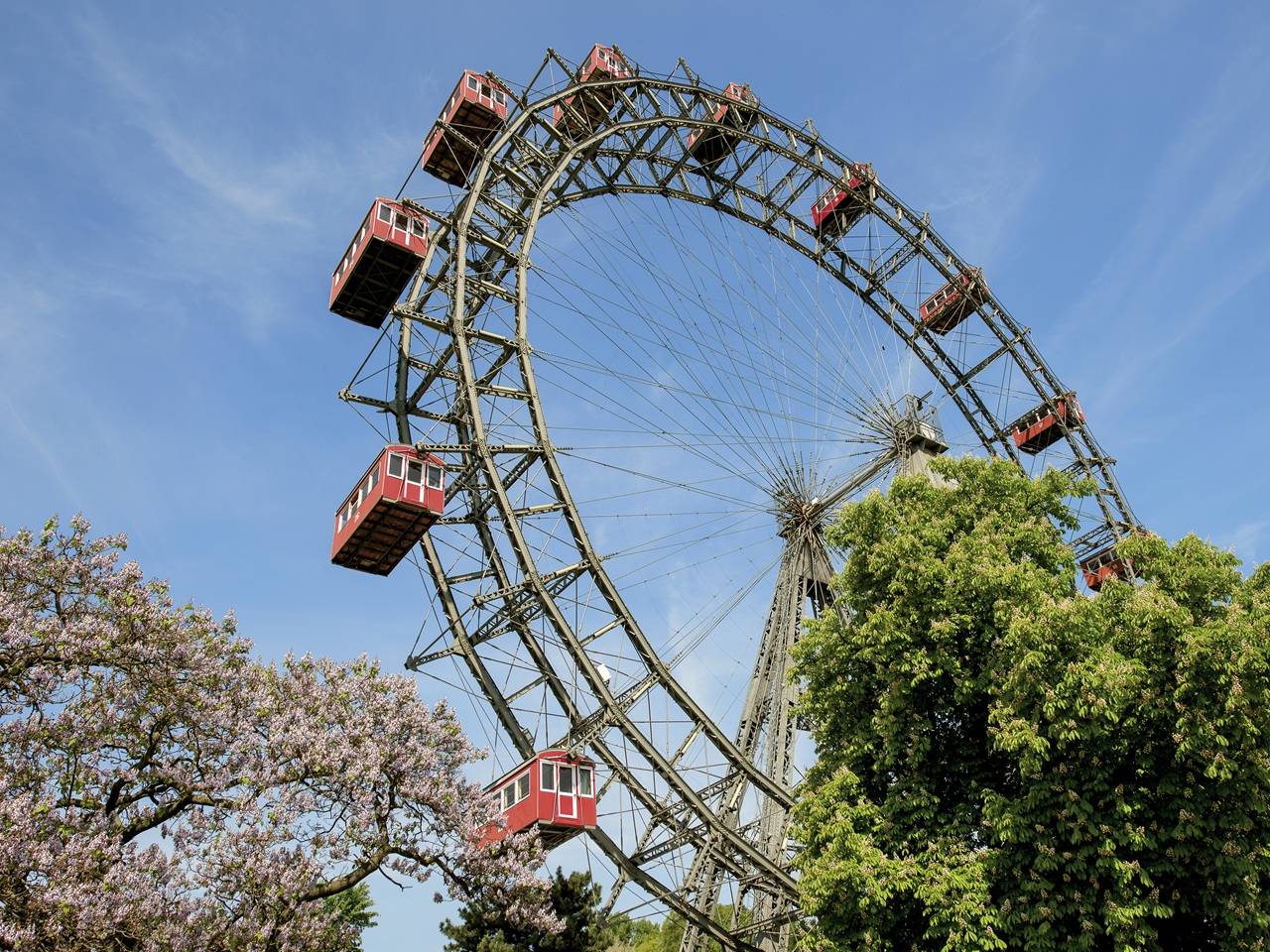
Giant Ferries Wheel, Prater - © Vienna Tourist Board & Christian Stemper
Vienna is known for its culture, its history and its imperial and modern meeting venues. Yet there is plenty about Vienna that even experienced planners have never heard of. Below are some sides of the city that are well worth sharing with delegates.
Wine within the city limits
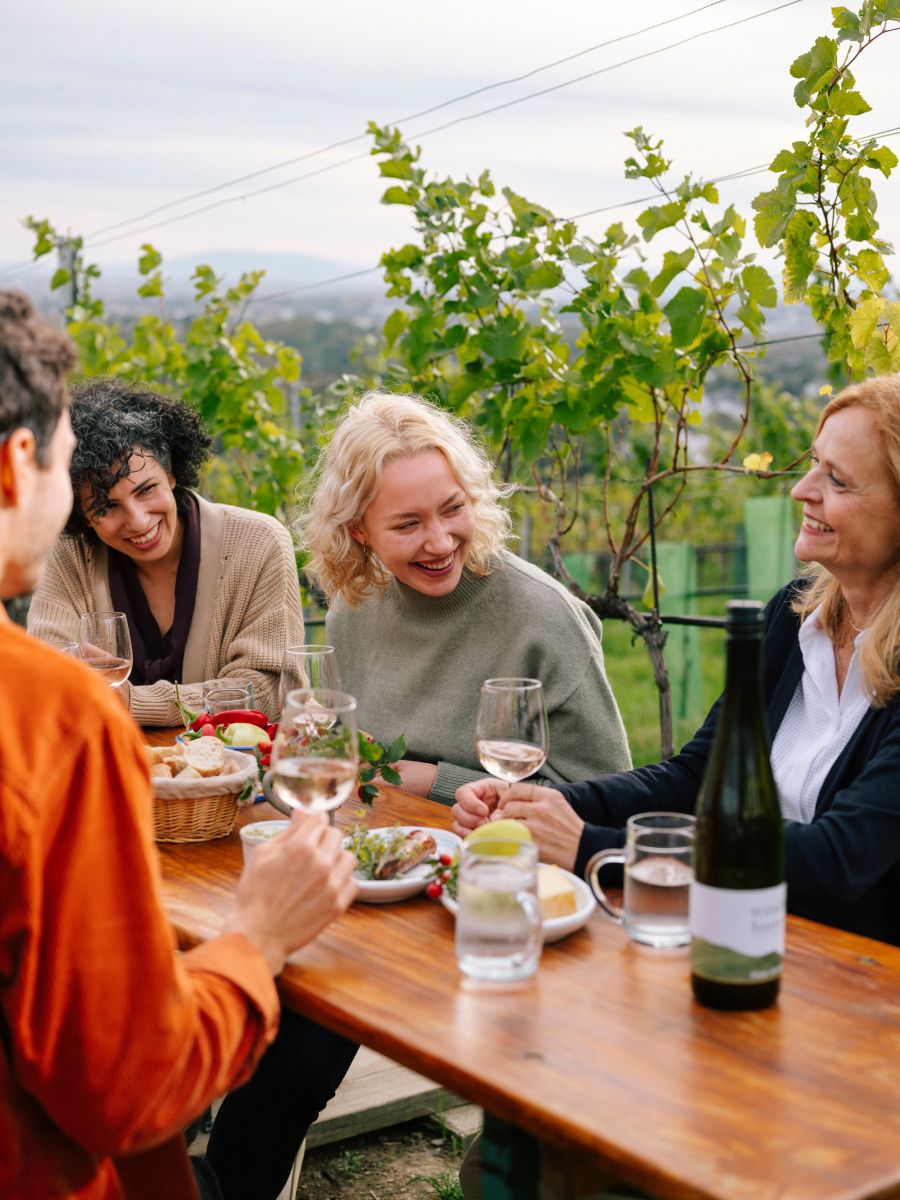
Vienna is one of the few capitals in the world with vineyards inside its city boundaries. Vines line the hills on the city's edge, and its signature wine, Gemischter Satz, is a field blend of several white grape varieties grown, harvested and pressed together. The best place to taste it is a Heuriger, a traditional wine tavern serving wine from its own vineyards. An entire
Heurige village can be rented to offer delegates an informal, cosy and typically Viennese evening, with capacity for up to 3,000 guests.
A beach between congress centres
The world's oldest zoo, after hours
Founded in 1752 in the grounds of Schönbrunn Palace,
Schönbrunn Zoo is the oldest zoo still operating anywhere in the world. Its thinking is thoroughly modern, with spacious, natural habitats for around 600 species. After closing time, spaces such as the Emperor's Pavilion, the Tirolergarten tavern and even the elephant house can host
private events for up to 200 guests.
From hunting ground to Ferris wheel
The
Prater was an imperial hunting ground until Emperor Joseph II opened it to the public in 1766. Today it is two worlds side by side. The
Green Prater’s meadows, woodland and 4.5 km avenue are all popular with runners, cyclists and walkers. Next door, the Wurstelprater amusement park has around 250 attractions, from nostalgic merry-go-rounds to modern roller coasters. Above it all turns the Giant Ferris Wheel, a city landmark since 1897.
Museums with a difference
Besides its renowned art and history collections, Vienna is home to museums for almost every curiosity. The
Funeral Museum at the Central Cemetery explores centuries of funeral culture. The
Coffee Museum traces the city's UNESCO-recognised coffee house culture through historic coffee machines, roasters and grinders. At the
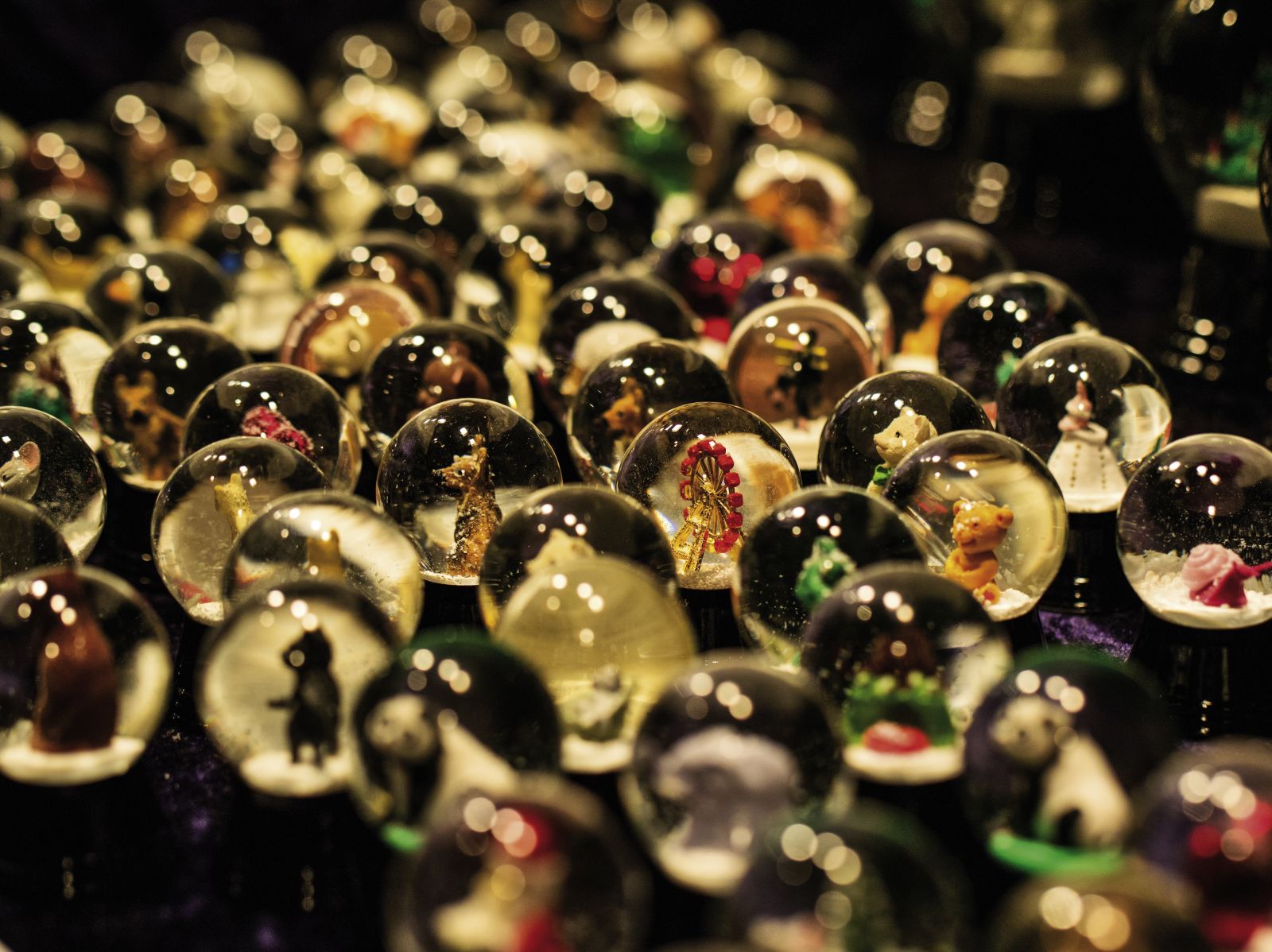
Perzy manufactory, snow globes have been made by hand since the late 19th century, with a small museum showing how. And at the
Clock Museum, many of the 700 timepieces on display still chime on the hour, from one small enough to fit under a thimble to a 1699 clockwork from St. Stephen's Cathedral.
More than meets the eye
Vienna is known for its beauty, its venues and its rankings. The stories behind them are what turn a congress into something delegates remember: a dinner among the vines, a swim between sessions, an afternoon among vintage snow globes.
For planners, these details are more than trivia. They are the starting point for programmes rooted in the city’s culture and reasons for delegates to come back.
Powered by Meeting Media Company, publisher of Headquarters Magazine (HQ) – a leading international publication based in Brussels, serving the global MICE industry and association community.