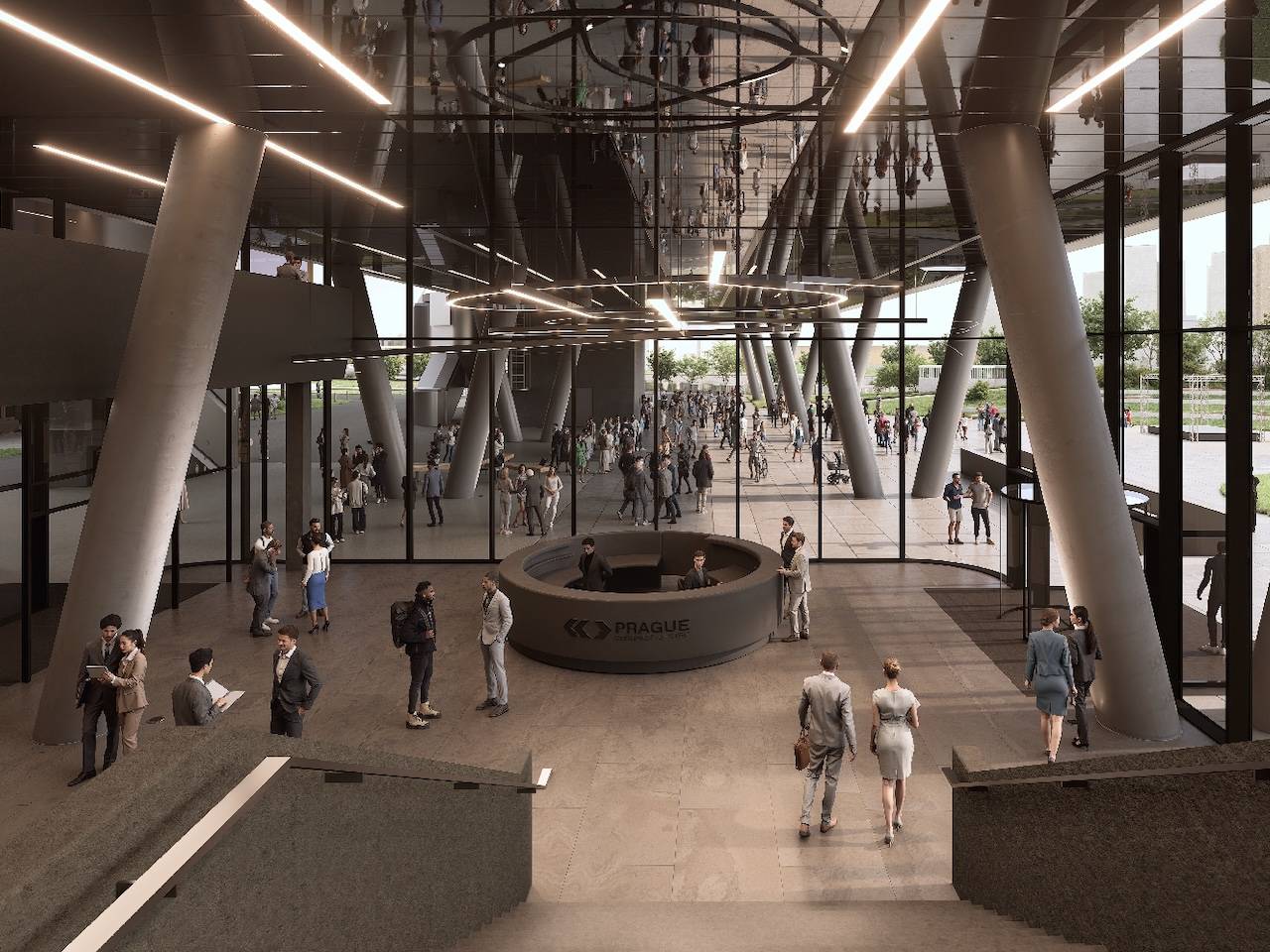
Prague Congress Centre (PCC) is investing in a new Exhibition Hall alongside more than CZK 120 million (approx. €4.9 million) in stage, theatre and sound technology during 2026.
HQ spoke with Roman Sovják, Sales and Marketing Director at PCC, about how these investments will affect international congresses, changing expectations around technology and sustainability, and the growing emphasis on the delegate experience.
We will stop turning business away. That is the short answer. The hall will open up opportunities for larger international congresses. It adds 5,000 square metres of net exhibition space, bringing our total exhibition capacity to 21,000 square metres, while increasing the venue’s overall capacity from 10,000 to 15,000 delegates. In practice, we will be able to bid for events that combine a congress, a large-scale exhibition and a gala dinner for 1,500 guests in one place.
We already have enquiries from around 15 international congresses for which the new hall is a precondition, most of them in the medical field.
There are two things I hear consistently from organisers. The first is, “do not make us move delegates around.” The new hall, existing building and Holiday Inn Prague will work as one connected campus, allowing the programme, exhibition, evening event and accommodation to remain in one place.
The second is flexibility. The hall can be divided into up to five independent sections. One day it can operate as a single exhibition floor. The next, it can become a series of workshop spaces or a setting for a gala dinner.
Nothing on this scale has previously been available in Prague. We are also redeveloping the surrounding outdoor areas, adding green spaces and room for outdoor activities and events.
Most of the construction is taking place on what used to be a car park next to the existing building. Work inside the current complex is limited to garages and technical areas, away from the halls and event spaces.
We have agreed with the contractor when noisy work must stop around specific events. The main changes involve logistics, access routes and parking.
From a delegate’s perspective, the experience should remain unaffected. For clients planning two or three years in advance, that certainty matters. They can continue to rely on Prague Congress Centre throughout construction.
The line between a congress and a live experience is becoming harder to draw, and sound quality plays an important part in both. The L-Acoustics L2 system will provide clear, consistent sound across all 2,764 seats in our main Congress Hall, from the front row to the back.
The installation will also be ready for spatial audio technology that can follow a speaker’s position across the stage. We will be the first venue in the Czech Republic to install the L-Acoustics L2 system.
Sustainability in particular. It is no longer a side issue. Clients look closely at an event’s carbon footprint, how delegates travel, how waste is handled and where the catering comes from. We are the first congress centre in the Czech Republic to achieve ISO 20121:2024 certification for sustainability management.
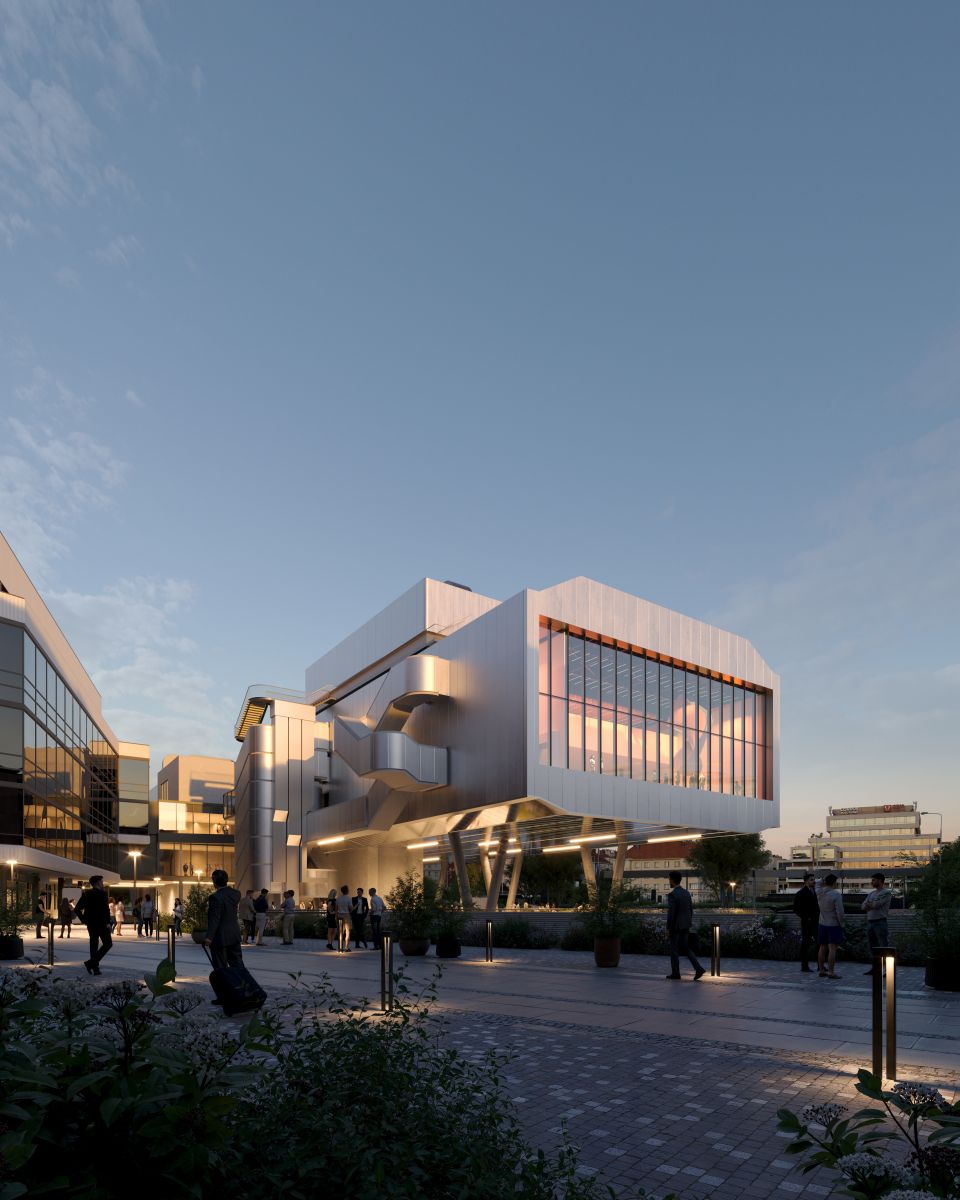
Around 10% of our electricity is generated by solar panels on our roof, while the electricity we purchase comes from renewable sources. Our catering is prepared in-house, and we have strong public transport connections. The new Exhibition Hall (pictured on the right) is also targeting LEED Gold certification.
For a congress of several thousand people, logistics is one of the first things organisers consider. From Prague Congress Centre, delegates are a two-minute walk from the metro station, while the historic centre is just two stops away. The proximity reduces the need for additional transport such as shuttle buses.
Delegates can walk from the hotel to the Congress Hall and, during a break, explore the Vyšehrad parks or head into the city centre. Those who prefer to remain at the venue have panoramic views of Prague from the building.
Organisers are talking less about room specifications and more about delegates: how they will feel when they arrive, what they will see during a break and what impression they will leave with. The character of the venue therefore matters.
Clients keep coming back to two things: the views and surrounding greenery, and the fact that every room has its own style. There are more than 200 works of art in the building, and no two halls feel alike. After six hours of sessions, that is not a small thing. The eye gets a rest and people return to the hall feeling refreshed.
I think three things will matter most in the coming years: capacity and flexibility, production quality, and a venue that adds value in its own right. Those are the areas we are focusing on at PCC.
Published by Meeting Media Company, the publisher of Headquarters Magazine (HQ) – a leading international publication based in Brussels, serving the global MICE industry and association community.
Since its founding in 1992, Meeting Media Group, publisher of Headquarters Magazine (HQ), has been a trusted guide and voice for associations and the global MICE (Meetings, Incentives, Conferences, and Exhibitions) industry.