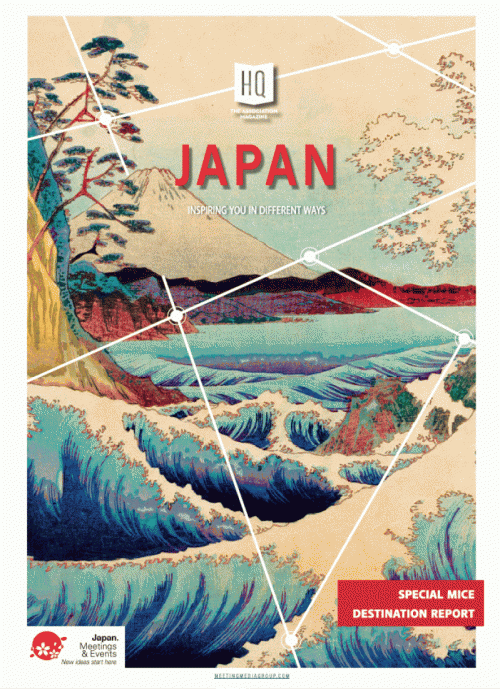
A new international convention subsidy is giving associations and event organisers another reason to consider Osaka, with support available for qualifying events through March 2033 and a major new MICE development on the horizon.
 For associations deciding where their next international congress, conference or rotating meeting should be held, destination selection is increasingly about more than the strength of a venue or the attractiveness of a city. Financial support, institutional backing, local expertise and the ability to build a credible long-term proposition around an event can all influence a bid. Osaka is now putting those elements together.
A new international convention subsidy has been established jointly by Osaka Prefecture, Osaka City and the Osaka Chamber of Commerce, creating a dedicated framework intended to attract and support qualifying international conventions held in Osaka Prefecture. Applications cover events taking place from 1 April 2026 through 31 March 2033, giving associations several years in which to consider Osaka within their international rotation and bidding strategies.
The initiative is particularly relevant to associations whose congresses connect with sectors in which Osaka has identified particular strengths. These include life sciences, craftsmanship, environment and energy, international finance, sports, gastronomy and entertainment, as well as themes capable of generating innovation or strengthening the competitiveness of industries in Osaka.
The programme therefore goes beyond a generic incentive to bring more international meetings to the city. It is explicitly connected to Osaka's economic and industrial priorities, positioning international conventions as instruments for knowledge exchange, investment, tourism and business development.
For organisers, the criteria are relatively clear. The destination must still be undecided when the application is made, meaning the programme is designed to influence the bidding and destination-selection stage rather than retrospectively subsidise an event that has already committed to Osaka. The convention must take place over at least three days and attract a minimum of 50 participants, including at least 20 non-Japanese participants living overseas. It must also involve at least three countries or regions, including Japan, and take place at a facility within Osaka Prefecture.
There is a further distinction for associations seeking support specifically to entice an international convention to Osaka. In addition to meeting the core requirements, the organiser must be an international organisation or association and the event must rotate between at least three countries or regions. Applications for this strand must be made through a Japanese representative or association connected to the convention.
The subsidy also comes with an important non-duplication condition: qualifying events cannot simultaneously receive certain grants or subsidies from Osaka Prefecture, Osaka City, the Osaka Chamber of Commerce, the national government or other local municipalities. Organisers therefore need to consider the programme alongside, rather than simply on top of, other public funding arrangements.
For associations accustomed to planning congresses several years ahead, the length of the programme may be as significant as the financial support itself. A convention rotating between international destinations can require decisions well before the event year, and Osaka is effectively signalling that it wants to be considered as part of those longer-term conversations.
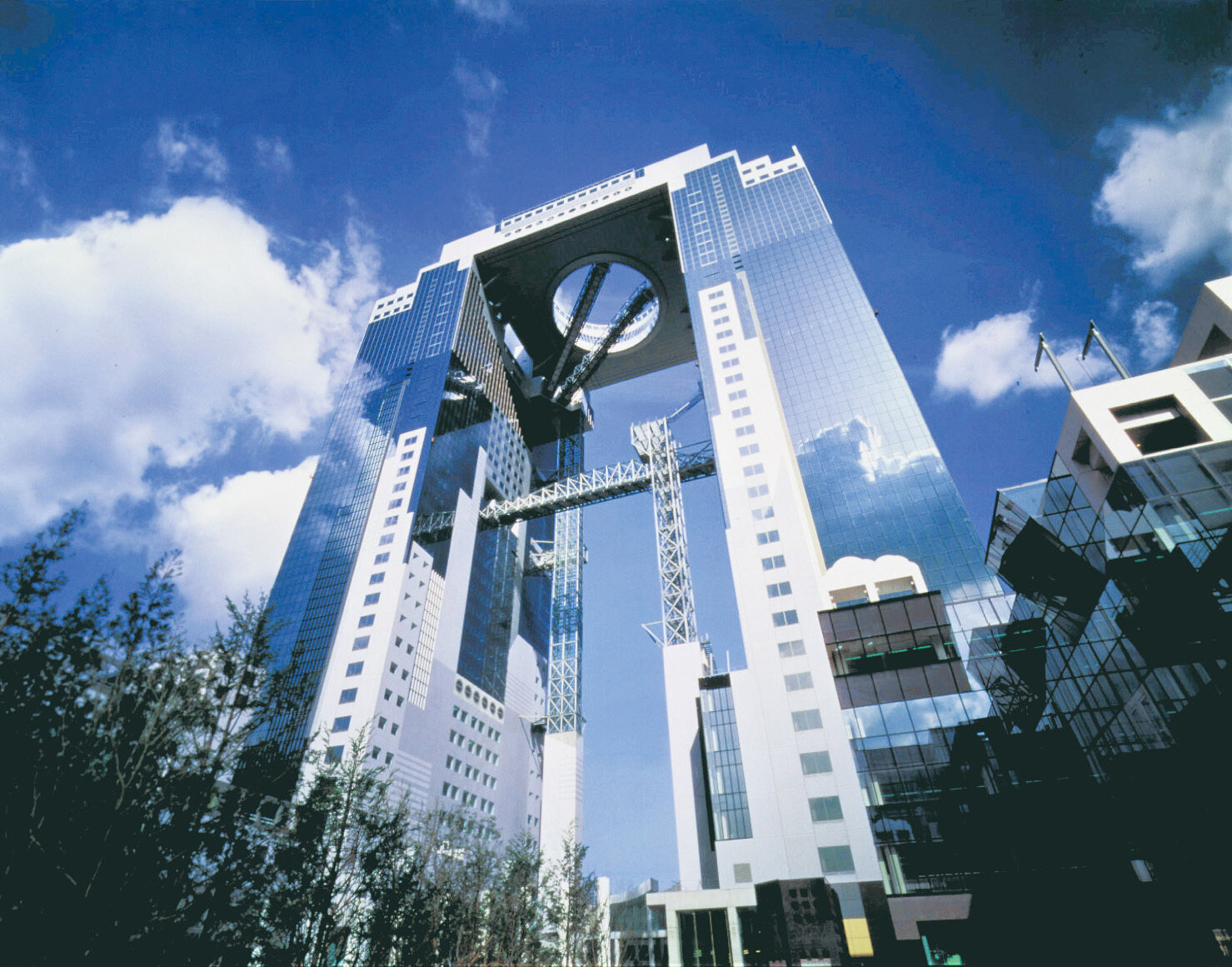
The financial programme is only one part of Osaka's offer. The Osaka Convention & Tourism Bureau (OCTB) provides support across the bidding, planning and delivery stages. For events still competing for a host destination, this can include assistance with bid strategy, venue and hotel quotations, destination information, official invitation letters, lobbying support, site visits and access to financial support mechanisms.
Once an event has been awarded to Osaka, the support can extend into operational delivery. The OCTB can assist with introductions to PCOs, event planners and travel agencies, venue bookings, cultural and post-convention programmes, promotional activity, coordination with government and local economic organisations, visitor information and official welcome messages.
There is also practical support for the experience surrounding the conference itself, including cultural performances, locally relevant experiences, sustainable novelties and Osaka products, alongside certain forms of shuttle support for qualifying international conventions.
For an association, that matters because the destination proposition increasingly forms part of the delegate proposition. A strong congress bid is not only about securing plenary space and accommodation; it is also about demonstrating how the host city can contribute to the wider intellectual, cultural and social experience of the meeting.
There is another reason Osaka's timing is significant. The subsidy programme is being developed against the backdrop of the city's next major MICE development: the Osaka Integrated Resort (IR), currently under construction on Yumeshima and targeting an opening in autumn 2030. The project is planned as a large integrated complex combining hotels, convention space, restaurants, entertainment and other facilities.
For the meetings industry, the convention component is particularly relevant. Plans call for a major international conference and exhibition complex, with the largest event room intended to accommodate more than 6,000 people and total capacity across the facilities expected to exceed 12,000.
That places the subsidy and the IR on the same strategic timeline. Osaka is not simply seeking events for the next few seasons; it is building a proposition that can evolve as new capacity comes online. The IR is also being developed on Yumeshima, the artificial island that hosted Expo 2025. According to the OCTB, the project is expected to attract around 20 million visitors annually once operational, while contributing to the wider Kansai economy and creating approximately 15,000 on-site jobs.
For international associations, the implications are potentially significant. A destination that already combines established convention infrastructure with a substantial pipeline of new capacity gives planners the possibility of matching different event formats to different stages of Osaka's development.
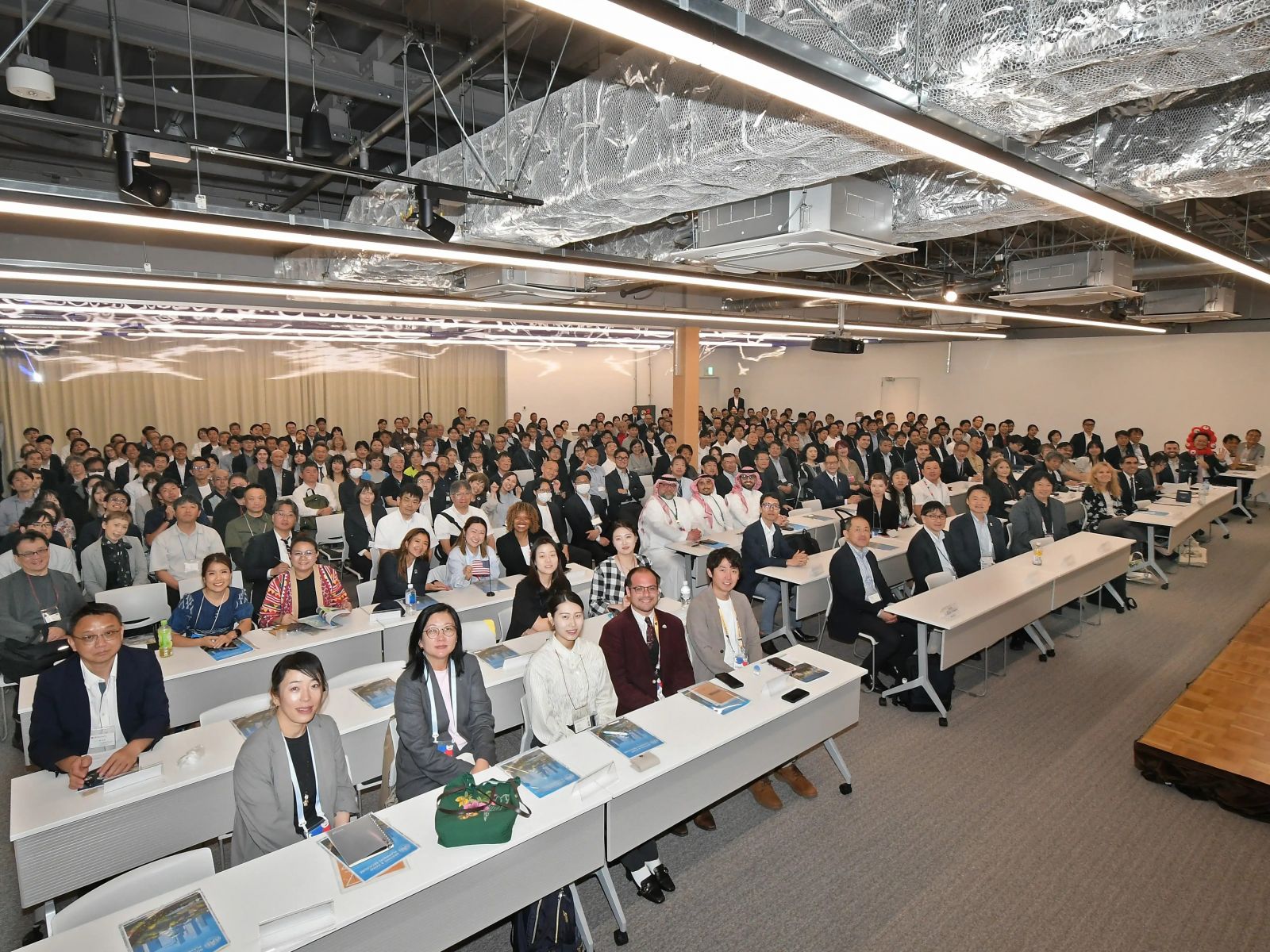
Perhaps the more interesting aspect of Osaka's approach is the degree to which the destination is attempting to build an ecosystem around the convention itself. The OCTB describes its model as a collaboration between Osaka Prefecture, Osaka City and the local economic sector. Its support extends from bid development through to event operation, with the bureau positioning itself as a bridge between organisers and the city's venues, suppliers, government bodies, tourism infrastructure and business community.
That is particularly relevant for associations. International congresses can generate value well beyond delegate expenditure, particularly when their scientific, professional or commercial communities connect with local institutions and industries. Osaka's subsidy criteria reflect this thinking by giving particular attention to fields connected to the city's economic strengths and to events capable of contributing to innovation and industrial competitiveness.
The result is a proposition that is less about subsidising an event in isolation and more about using international meetings as part of a wider destination strategy. For organisers currently reviewing future host cities, Osaka therefore presents a proposition with three distinct layers: financial support for qualifying conventions, hands-on destination assistance, and a major expansion of MICE infrastructure on the horizon.
With the subsidy programme running until March 2033, associations planning their next international rotation have a considerable window in which to explore the opportunity. And with the Osaka IR expected to open in 2030, the destination's proposition is likely to look substantially different by the end of that period.
For Osaka, the ambition is also explicit: use the combination of international conventions, local economic strengths, coordinated destination support and new infrastructure to move further up the global MICE hierarchy and towards the OCTB's stated goal of becoming Asia's No. 1 meeting and event destination.
Powered by Meeting Media Company, publisher of Headquarters Magazine (HQ) – a leading international publication based in Brussels, serving the global MICE industry and association community.

Since its founding in 1992, Meeting Media Group, publisher of Headquarters Magazine (HQ), has been a trusted guide and voice for associations and the global MICE (Meetings, Incentives, Conferences, and Exhibitions) industry.