Accessibility is becoming part of how the meetings industry defines event quality, destination competitiveness and long-term value. The discussion now reaches beyond ramps or adapted spaces into environmental, social and governance (ESG) criteria, inclusive communication, universal design, employability, accessible tourism and the legacy events leave in host communities.
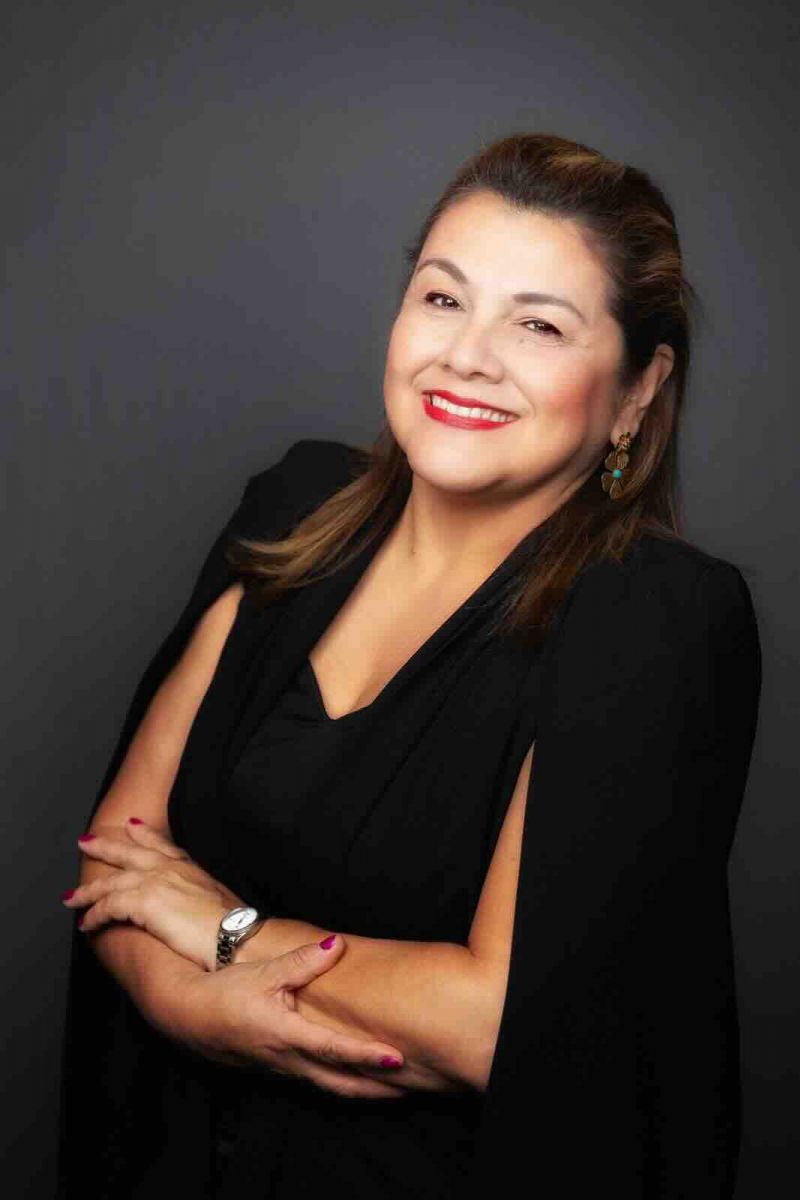
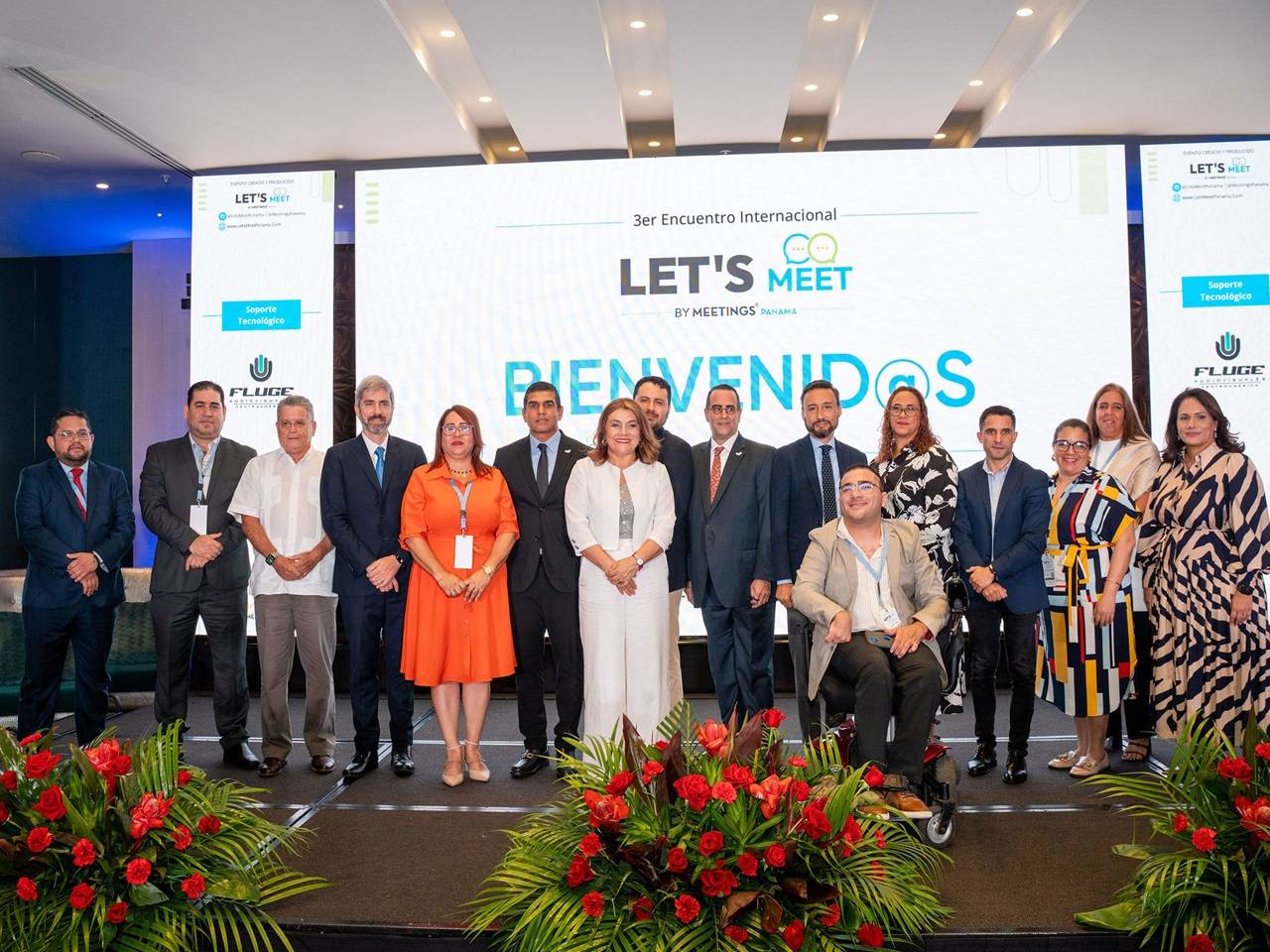
Developed by Meetings®Panama, Let’s Meet Panama brings that conversation into the Latin American meetings sector. Its Chief Executive Officer and Founder, Patricia Puentes Colorado (pictured on the right), connects public institutions, private companies, associations, academia, foundations, entrepreneurs, artists, people with disabilities and industry leaders around one premise: events can generate social capacity as well as economic activity.
In 2025, Puentes was recognised by Forbes Centroamérica as one of the 50 Powerful Women of Central America, reinforcing the visibility of a project now supported by regional and global meetings organisations.
Accessible Event Design
Let’s Meet Panama starts from a practical definition of accessibility. An inclusive event is not only a venue with ramps, signage or adapted spaces. It also depends on how participants arrive at and move through the venue, register, understand information, take part in conversations, access services and experience the programme.
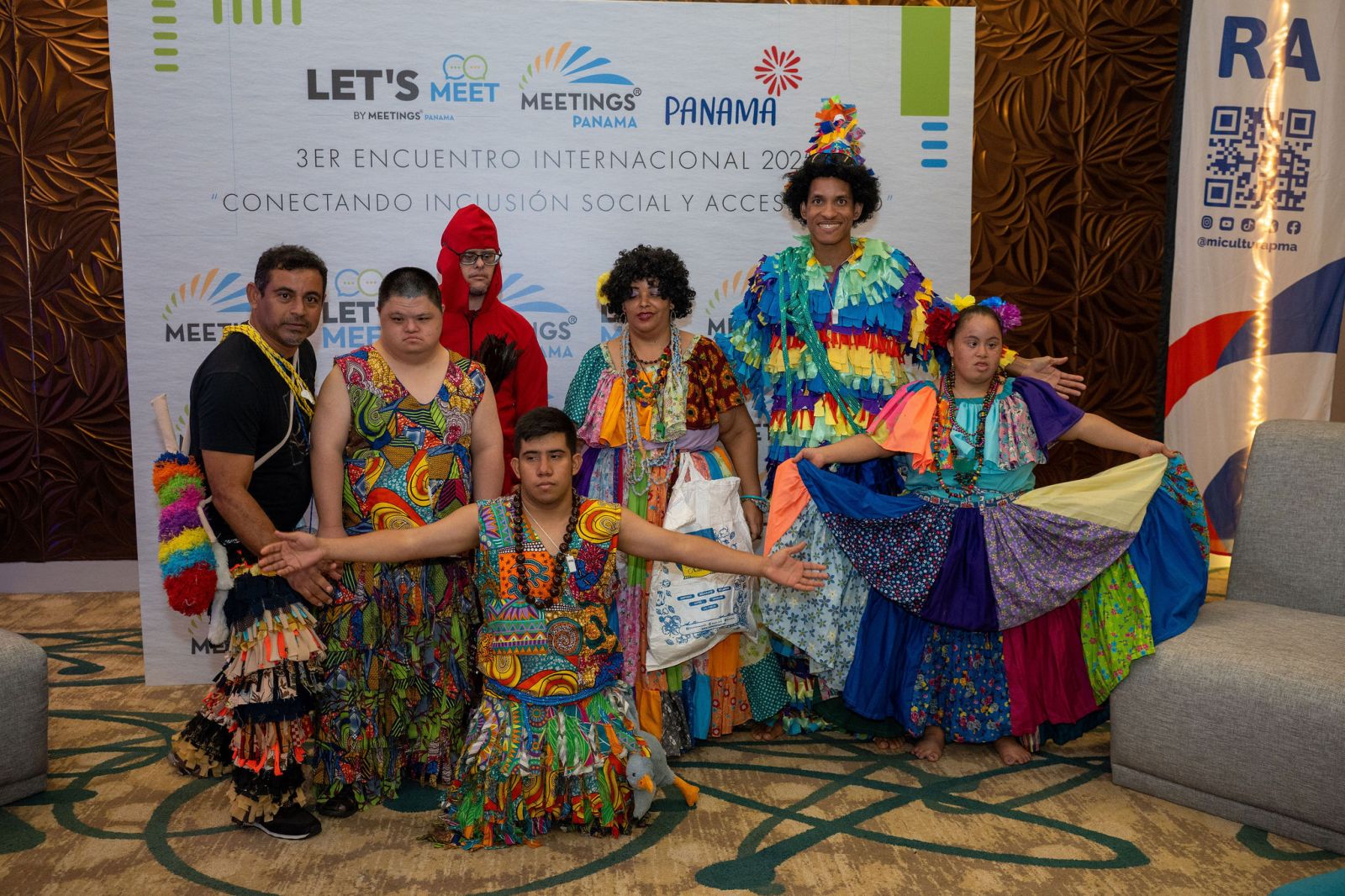
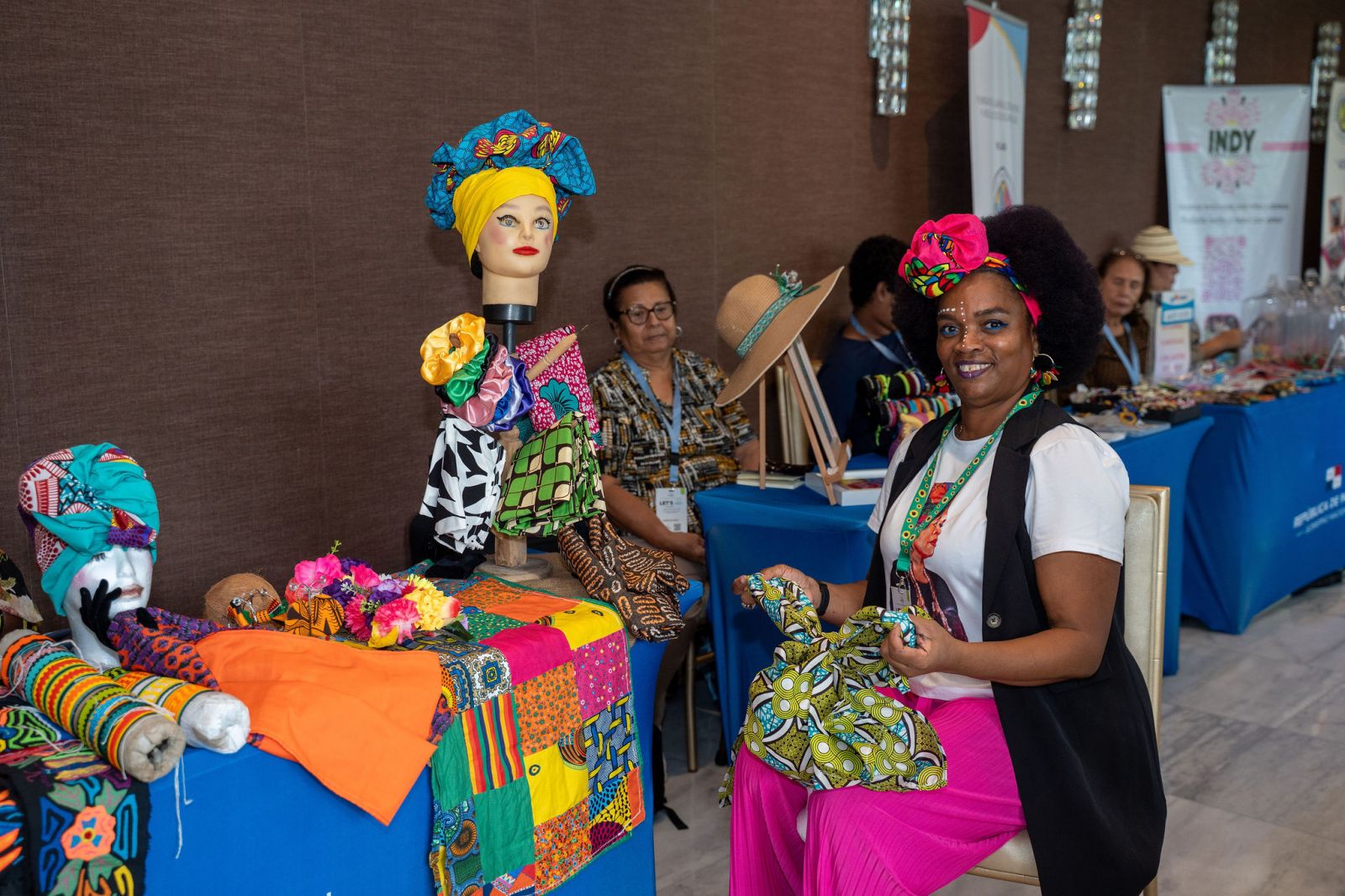
Across its first editions, the event has combined conferences, panels, workshops, business meetings, networking spaces, inclusive activations, sign language interpretation, participation from entrepreneurs and artists with disabilities, and practical content for the meetings industry, tourism, hospitality, education, companies and public institutions.
The platform has helped move inclusion from a specialised topic into the wider business events agenda. In Latin America, where many people still face barriers to participation in social, educational, tourism and economic life, every congress, trade show or convention can become a point of intervention.
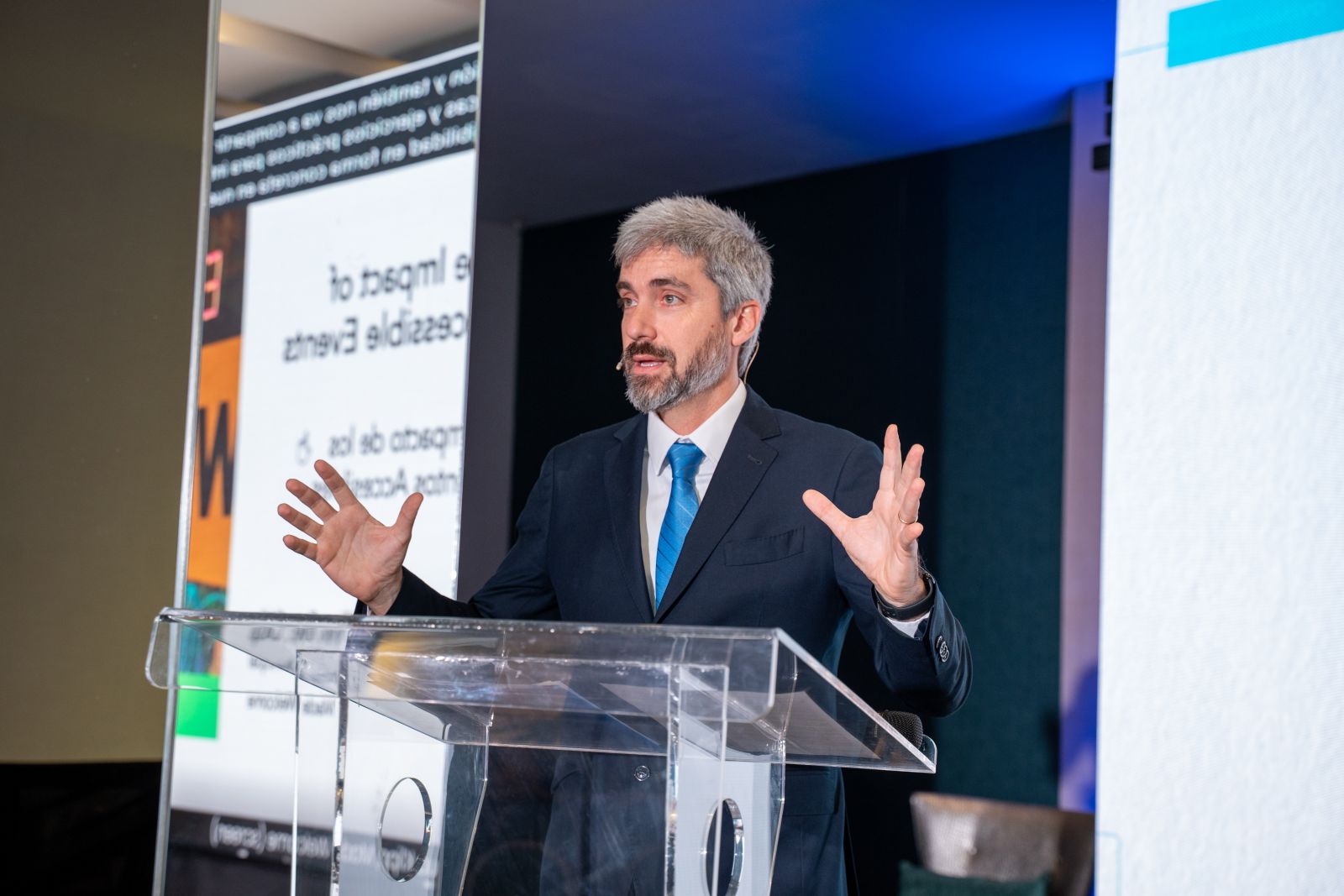
Lucio Vaquero, Regional Director of PCMA Latin America (pictured on the right), frames the issue as an industry responsibility.
“At PCMA, we believe the meetings industry has a responsibility that goes beyond convening people: the responsibility to include. Initiatives such as Let’s Meet Panama show that universal accessibility and social inclusion are not an add-on, but the heart of a well-designed event,” he said.
Panama’s Social Innovation Role
Panama already holds a strategic position in the Latin American meetings market through its air connectivity, hotel infrastructure, convention centres and logistics capacity. Let’s Meet Panama adds another layer to that positioning by using events as vehicles for knowledge, inclusion, awareness and legacy.
The platform’s training and awareness work is beginning to appear in Panama’s event pipeline. One example is the Panama 2028 Parapan American Open Championships, scheduled from 10 to 13 February 2028 and included in the official World Para Powerlifting calendar. The event gives visibility to adaptive sport, strengthens local capacity and connects accessible tourism with Panama’s international positioning.
Three further bids are also in development with associations including the Latin American Network of Organisations of Persons with Disabilities and their Families (RIADIS) and the Tourism Promotion Fund (PROMTUR Panama).
For Puentes, these outcomes show how an inclusion agenda can translate into destination development.
“More than 3,000 professionals have been trained and sensitised in inclusion, accessibility, ESG and good practices, and today we see how that effort is beginning to translate into concrete results: the Panama 2028 Parapan American Open Championships, new international bids and an industry increasingly aware that change is now,” she said.
She also sees the model as regional in scope.
“Panama has an opportunity to become a regional hub for social innovation, with a model that can support destinations across Latin America. The partnerships we have built show that this approach can be replicated elsewhere and that events can leave much more than memories: they can leave capacities, opportunities and transformation.”
Partnerships and Regional Recognition
Let’s Meet Panama’s growth has been supported by partnerships with organisations that place the platform in a wider regional conversation. PCMA LATAM has reinforced the educational component, while FIEXPO Exhibition Group connects the project with the debate on event legacy. The Central America Tourism Promotion Agency (CATA) brings a destination and tourism development perspective.
Santiago González, Project Director at FIEXPO, said the initiative has helped raise standards across the region.
“Their work has helped position accessibility and inclusion as an essential part of the legacy that events should leave. Today, this space has the potential to expand to the rest of the region, inspiring destinations, organisers, venues and institutions to raise their standards and build an industry that is more human, competitive and aware of its impact.”
CATA’s support links inclusion with competitiveness. Boris Iraheta, Secretary General of CATA, said accessible tourism and meetings spaces generate more opportunities for people, communities and the industry itself.
“Inclusion does not only expand access. It expands opportunities to attract more conscious travellers and present ourselves as a more competitive region in international markets,” he said.
Let’s Meet Panama received the Excellence in Education Award 2024 from Learn Tourism and took second place at FITUR4ALL 2025 in the Inclusive Company category. The project also maintains a Framework Cooperation Agreement with the Panama Tourism Authority, with a five-year vision to strengthen the country’s positioning as a more accessible, inclusive and competitive destination for meetings, events, tourism and experiences.
Legacy In Action
The fourth edition of Let’s Meet Panama will take place on 7 and 8 September 2026 at the convention centre of Ciudad del Saber (City of Knowledge) in Panama City, under the theme Social Innovation And Accessibility For All: Legacy In Action.
The programme will bring together companies, institutions, international organisations, universities, destinations, trade bodies, chambers of commerce, foundations, entrepreneurs and meetings industry leaders.
Topics will include the silver economy, which examines the needs and economic participation of ageing populations, alongside accessible tourism, business sustainability, inclusive culture, employability, adaptive sport, artificial intelligence, education, universal accessibility and design for all.
A key component will be Inclusion In Motion, an experience integrating adaptive sport demonstrations with Panama’s national Paralympic ecosystem. The activity gives companies, universities, destinations and civil society a practical encounter with sport as a tool for participation, leadership and social change.
For Panama’s Paralympic movement, the platform creates visibility for adaptive sport inside an industry that shapes how people gather. Iveth Valdés Romero, President of the Paralympic Committee of Panama, said the initiative helps “position adaptive sport as a powerful tool for inclusion”, while strengthening awareness, empathy and respect.
Let’s Meet Panama’s message is direct: accessibility needs to be considered from the first stages of event planning. When inclusion is treated as strategy, events can leave trained professionals, stronger partnerships, new bids, more prepared destinations and communities with greater capacity to participate.
For a region seeking a stronger voice in the global meetings industry, Panama is using this platform to show that legacy depends on whether people can access, shape and benefit from the event.
Powered by Meeting Media Company, publisher of Headquarters Magazine (HQ) – a leading international publication based in Brussels, serving the global MICE industry and association community.