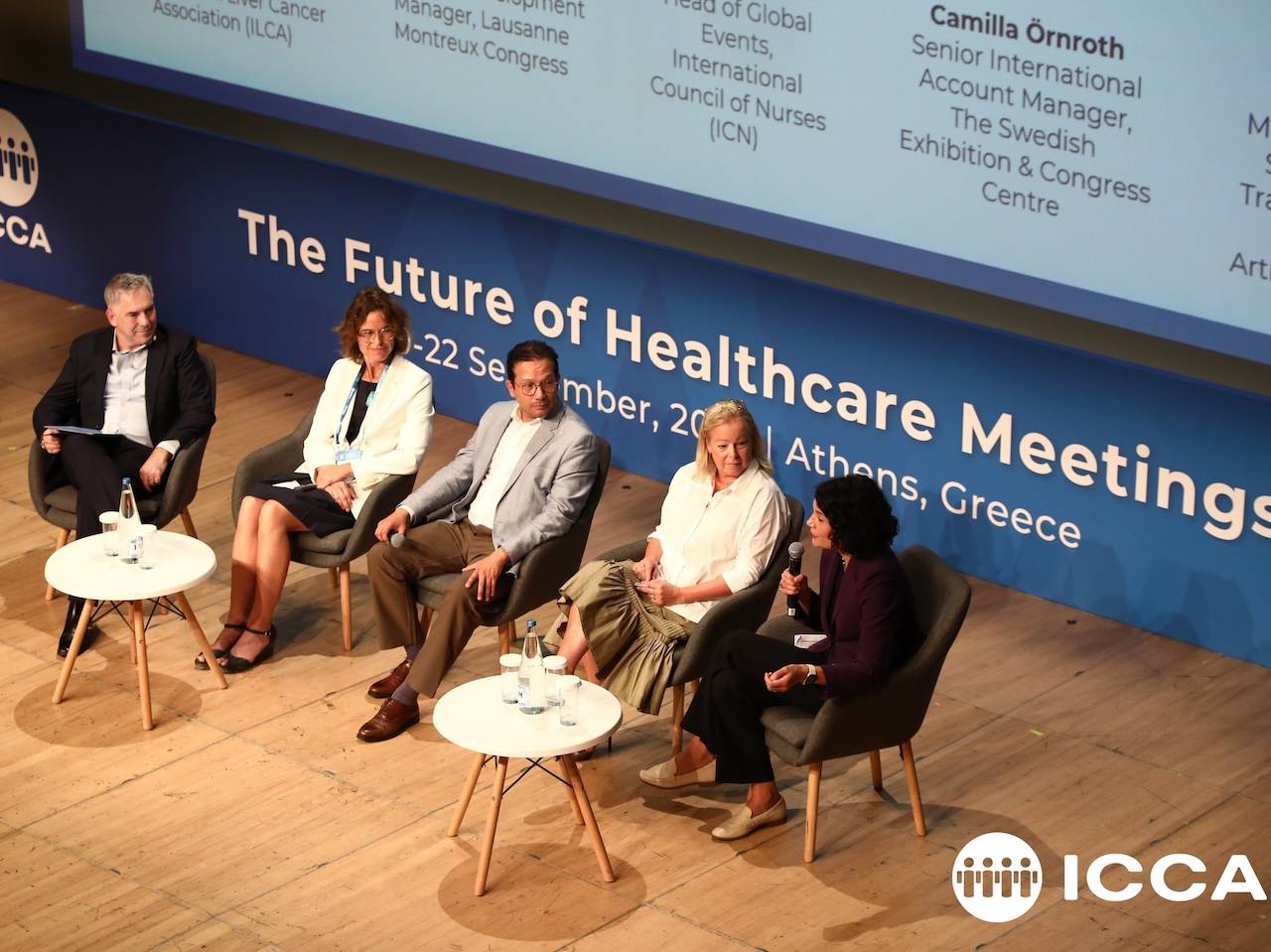
The fifth ICCA Future of Healthcare Meetings brought together 160 participants and representatives from 30 healthcare associations across 15 countries in Athens, exploring how research, technology and patient-centred approaches can reshape international medical congresses.
The fifth edition of the ICCA Future of Healthcare Meetings (FHCM26) concluded in Athens last week, bringing together association representatives and meetings professionals to examine the forces transforming healthcare, medical, scientific and life sciences events.
Hosted by Develop Athens, the City of Athens and This is Athens Convention & Visitors Bureau, the fully booked event addressed topics including artificial intelligence (AI), medical technology (MedTech), accessibility, sponsorship, governance and the creation of long-term value beyond individual meetings.
Across the programme, discussions explored how healthcare congresses can evolve from transactional gatherings into strategic platforms for scientific advancement, collaboration and knowledge exchange, with the potential to contribute to improved patient outcomes. Key themes included transparent industry partnerships, earlier patient involvement in event design, governance frameworks for AI and measuring success through longer-term impact rather than attendance alone.
A major development at FHCM26 was the launch of ICCA’s inaugural Wavelength Report, Science for Better Healthcare Meetings. Based on a review of more than 2,000 studies, the report examines meeting effectiveness, identifies gaps in the evidence base and explores how research can inform decision-making across the healthcare meetings ecosystem.
The report’s launch placed evidence-based planning at the centre of discussions about the future of medical congresses, highlighting the role research can play in evaluating meeting formats and supporting more informed decisions by organisers, associations and industry stakeholders.
Dr Senthil Gopinath, CEO of ICCA, said: “Healthcare meetings are among the most powerful examples of why business events matter. They are not simply gatherings of professionals. They are catalysts for scientific progress, innovation, collaboration, and better patient outcomes. By bringing together experts from across disciplines and regions, healthcare congresses help transform knowledge into action and create lasting value for healthcare systems and communities worldwide.”
The emphasis on evidence and long-term outcomes reflects a broader discussion about how the value of healthcare meetings can be assessed beyond delegate numbers, taking into account their contribution to professional collaboration, scientific progress and healthcare communities.
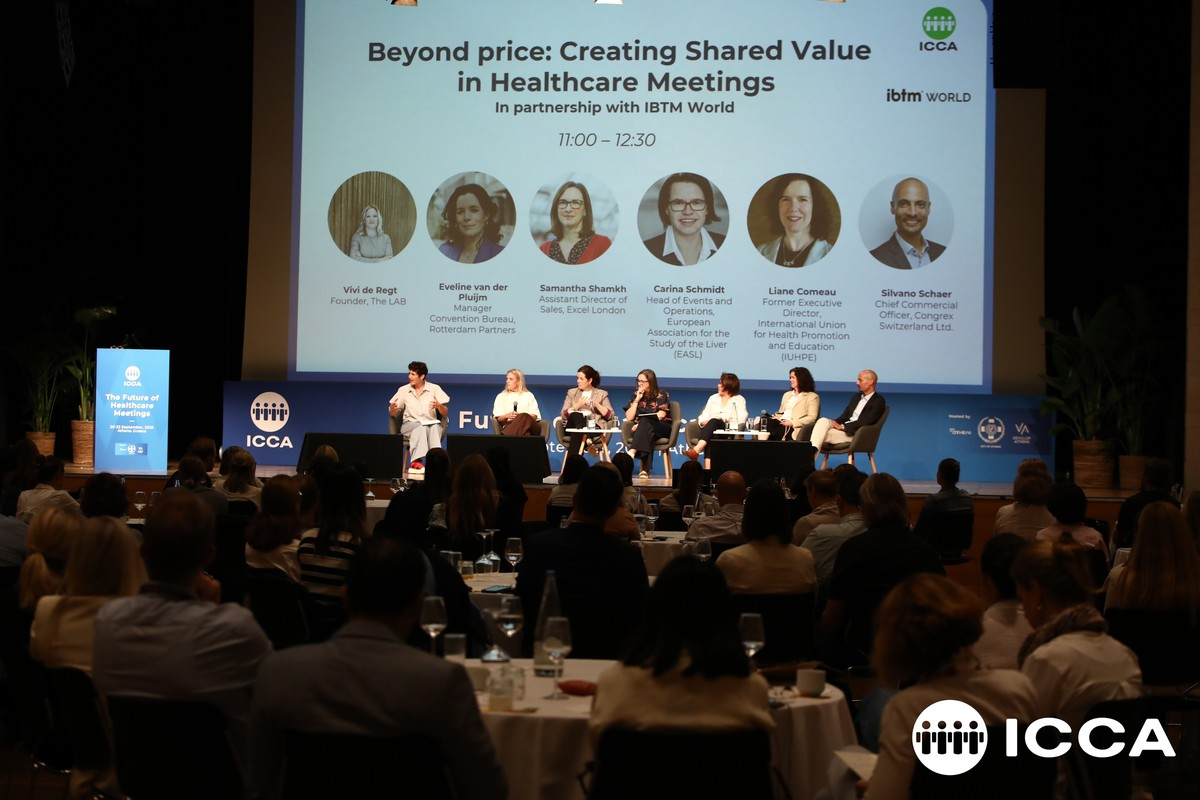
For the host city, the event also provided an opportunity to engage directly with international associations and decision-makers while showcasing Athens’ capacity to accommodate specialist conferences.
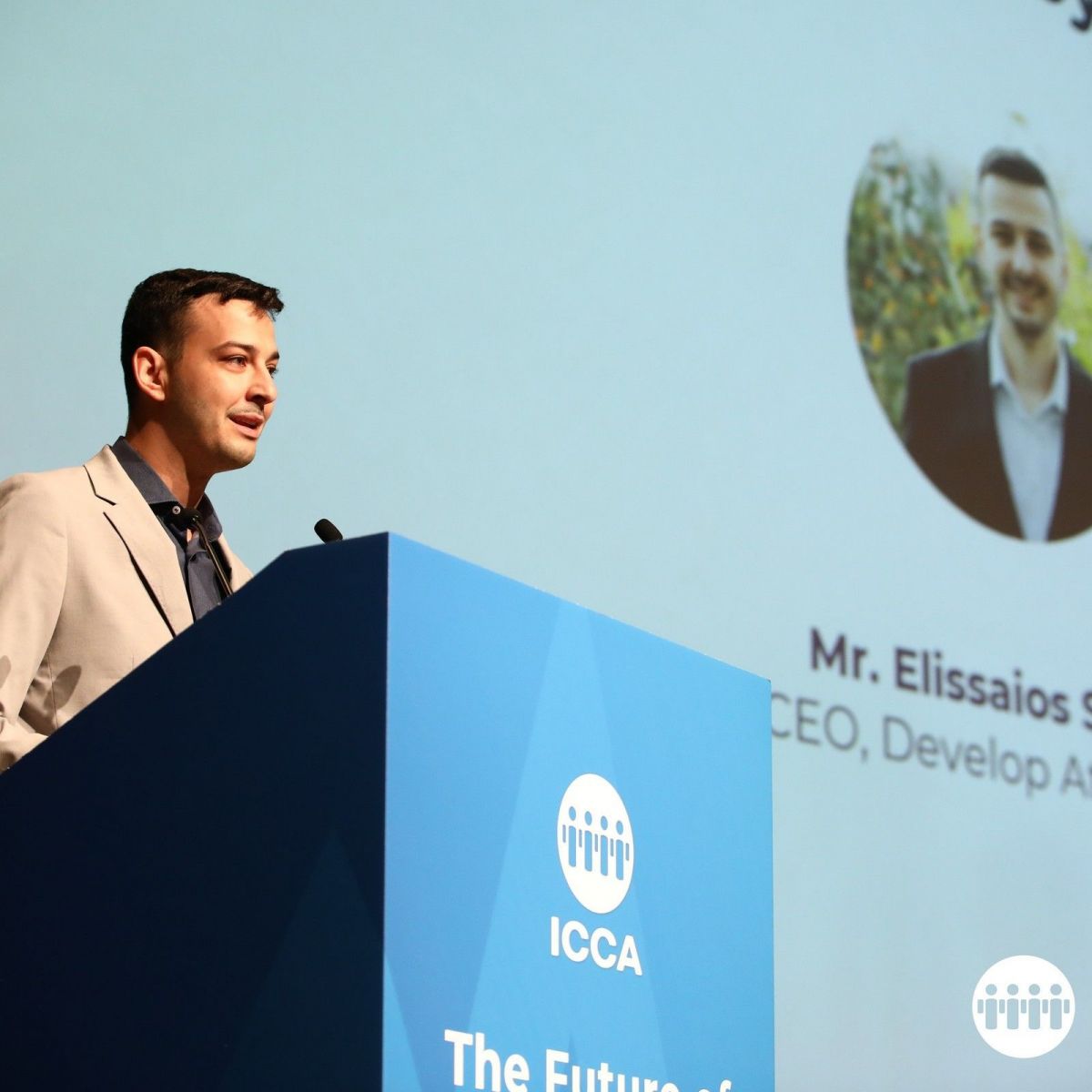 Elissaios Sarmas (right side), CEO of Develop Athens, said: “Attracting high-value international conferences is central to our strategy at the City of Athens to strengthen our position on the global stage. Through Develop Athens, we’re actively investing in international outreach and attracting events that create real, meaningful opportunities for the city.
Events like the ICCA Future of Healthcare Meetings allow us to do much more than just showcase our infrastructure and capabilities. More importantly, they let us connect directly with the international decision-makers, associations, and industry professionals shaping the future of the meetings market.
Every event like this is an investment in Athens’ global standing, opening doors to new partnerships and strengthening our ability to attract major international conferences down the road. Ultimately, our goal is for Athens to be far more than just a great host destination; we want to be trusted strategic partners. By connecting events with our local knowledge, research, and innovation ecosystem, we ensure every conference creates lasting value that goes well beyond the event itself.”
The approach outlined by Develop Athens places destination expertise, local research and innovation networks alongside venue infrastructure as elements of the support offered to international associations. It also reflects the growing focus on the relationship between conferences and the wider ecosystems in which they take place.
As Headquarters has already had the opportunity to confirm here, ICCA confirmed that the next two editions of the Future of Healthcare Meetings will take place in Poznań, Poland, from 6–8 September 2027, followed by Coimbra, Portugal, from 11–13 September 2028.
The upcoming editions will continue the initiative’s focus on bringing healthcare associations and meetings professionals together to explore how congresses can deliver more effective outcomes for participants, the scientific community and patients.
The Athens edition was supported by local partners AFEA Congress, Megaron Athens International Conference Centre, the Government of the Hellenic Republic, All About Events Greece, Athens Urban Rail Transport (STA.SY SA) and Parthen Meeting Services.
Sponsors and international partners included EventsAir, FIEXPO Latin America, IBTM World, IMEX, AIME, Snapsight, LetzFair, MementoPhoto.AI, Granicus Destinations, MCI Group, Qatar Airways, Air Canada, Turkish Airlines and Lufthansa Group.
Founded in 1963, the International Congress and Convention Association (ICCA) is a global community and knowledge hub for the international association meetings industry, providing data, education, networking and business development opportunities to support the sector worldwide.
Powered by Meeting Media Company, publisher of Headquarters Magazine (HQ) – a leading international publication based in Brussels, serving the global MICE industry and association community.
Since its founding in 1992, Meeting Media Group, publisher of Headquarters Magazine (HQ), has been a trusted guide and voice for associations and the global MICE (Meetings, Incentives, Conferences, and Exhibitions) industry.