Association leaders looking towards Asia are increasingly pursuing the same objectives: membership growth, stronger sponsorship opportunities, and deeper engagement with regional industries. Chinese professional communities are pursuing a parallel ambition, seeking greater visibility beyond their domestic market and stronger links with international peers. Hong Kong’s approach focuses on fostering connections in both directions. During IMEX Frankfurt, Marilyn Tham, the Hong Kong Tourism Board's (HKTB) General Manager of Mega Events, MICE and Cruise, explained how the destination links international associations with the Chinese Mainland, while also helping Chinese organisations to expand their international reach.
The Greater Bay Area plays a central role in how Hong Kong engages with international associations. Bringing together Hong Kong, Macao and nine cities in Guangdong Province, the region connects organisers with a population of over 88 million, alongside universities, research institutions, Fortune 500 companies, multinational corporations and some of China's largest technology companies.
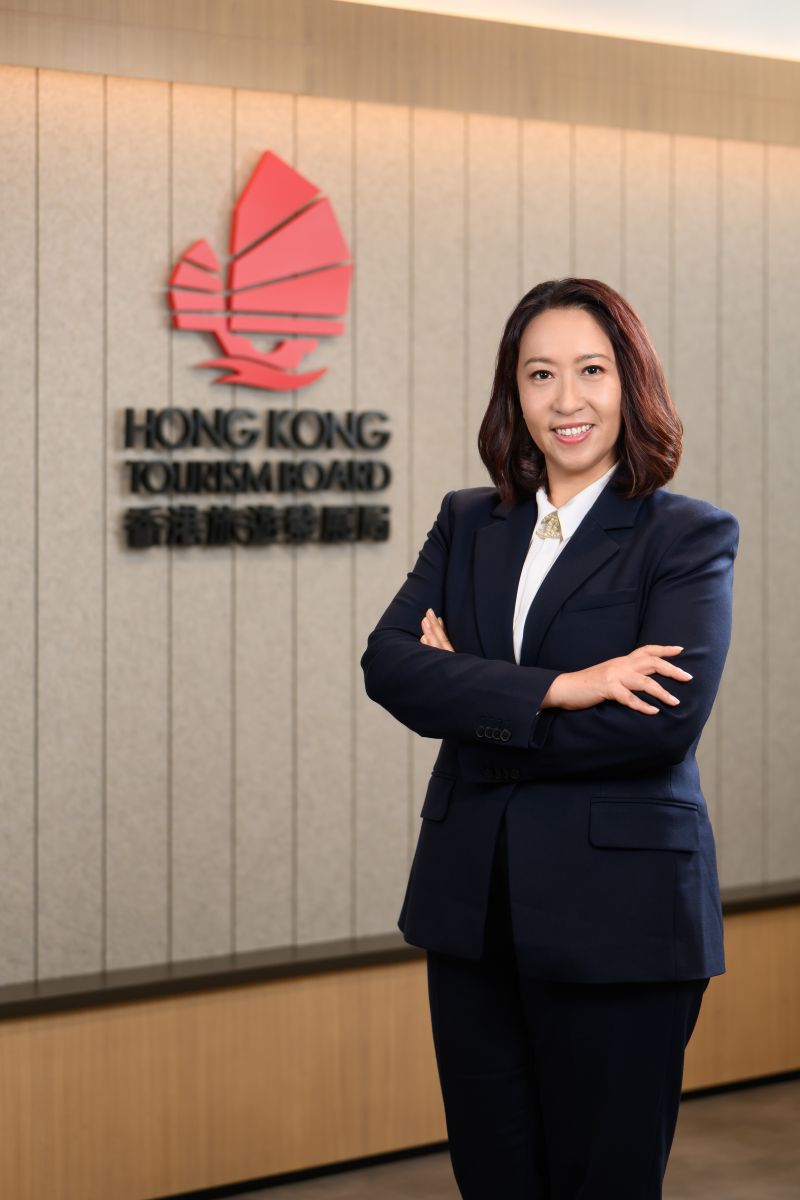
“We position Hong Kong as a super connector,” said Tham. “On one hand, we invite international conventions to Hong Kong and help them connect with the Chinese Mainland. On the other hand, we help Chinese Mainland congresses expand to the global stage.”
“Most convention organisers define success through record-breaking attendance,” she added. “The Greater Bay Area gives access to a large population. It also makes sponsorship acquisition easier because many leading corporations are headquartered there. Attendance and sponsorship are both critical in making a successful convention.”
Hong Kong welcomed 2.5 million MICE visitors in 2025, a 7% increase on the previous year. Meetings and incentives represented 62% of the total, while convention arrivals grew by more than 30%. About half of all MICE visitors came from the Chinese Mainland and half from short and long-haul markets. MICE visitors spent HK$7,467 per person (approx. €840), 36% more than leisure travellers.
Hong Kong's proximity to Shenzhen and Guangzhou places organisers within reach of manufacturing centres, technology ecosystems and professional communities spanning medical, finance, engineering and innovation.
“Many Chinese Mainland associations have developed to a world-class level,” noted Tham. “Usually, they organise rotation conventions within the Chinese Mainland. Now they have an opportunity to showcase themselves to the world. Hong Kong can be the first stop when they go outside and connect with the international market.”
The 15th China Chest Pain Centers Congress brought that ambition into focus. Held in Hong Kong in April 2026, the event marked the first time the congress had taken place outside the Chinese Mainland. As the nation’s largest conference on chest pain centres, the conference converged about 3,000 healthcare leaders, clinicians and researchers at the Hong Kong Convention and Exhibition Centre with a concurrent venue in Shenzhen.
“When they moved the congress to Hong Kong, we helped promote it internationally and invite participants from around the world,” said Tham. “This case demonstrates how we help Chinese Mainland congresses expand to the global stage.”
Medical sciences remain one of Hong Kong’s strongest convention sectors, accounting for close to one-third of convention activity secured by the destination. Government priorities have also shaped acquisition efforts. Financial services, trade, aviation and shipping, innovation and technology, intellectual property, legal services, cultural exchange, education and medical sciences feature prominently in bid development and convention attraction strategies.
Support for those efforts comes from the Hong Kong Convention Ambassador Programme. More than 170 ambassadors currently participate in the initiative, representing professional bodies, universities, industry associations, public institutions and chambers of commerce. 40 ambassadors are based in the Chinese Mainland, working alongside HKTB teams in Beijing, Shanghai, Guangzhou and Chengdu.
“We have a very passionate group of ambassadors supporting Hong Kong,” added Tham. “They help us connect with organisers and identify opportunities within their industries and professional networks.”
Consensus Hong Kong has established itself as the Asian edition of the US-originated Web3 conference. LEAP East will bring one of the Middle East’s largest technology event brands into Asia for the first time.“Many organisers are creating Asia-Pacific versions of their global conferences,” she explained. “Travel costs and changing market conditions mean they are looking at regional events as a way to maintain engagement and grow their communities.”
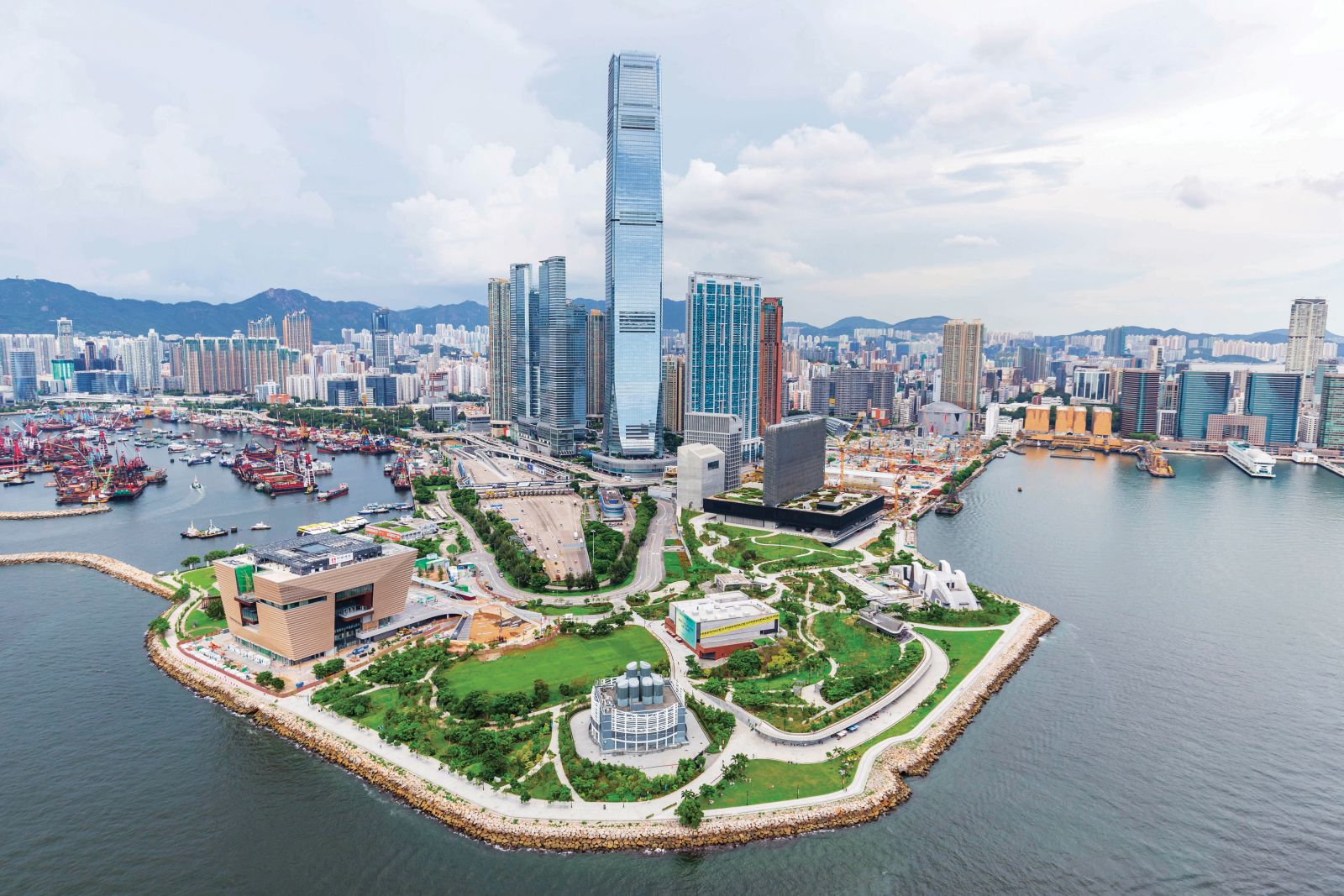
Infrastructure also supports a broader shift in event design. Kai Tak Sports Park has added a 50,000-seat stadium, a 10,000-seat arena and outdoor space for sports, entertainment and large-scale gatherings. AsiaWorld-Expo is expanding flexible exhibition capacity, while West Kowloon Cultural District gives organisers access to M+, the Hong Kong Palace Museum, and new performing arts facilities. SKYTOPIA, the Airport City development by Airport Authority Hong Kong, will add hospitality, retail, popular culture, art trading, entertainment and event infrastructure around the city’s international gateway. Cruises are being folded into the same logic. Tham’s portfolio brings Mega Events, MICE and Cruise under one remit, allowing HKTB to build programmes that combine meetings, incentives and regional travel. Cruise products are now being promoted for corporate groups through sea-and-land itineraries, where meetings and incentive activities can begin in Hong Kong and continue on board.
“For MICE, we see opportunities in cruise, especially for the meetings and incentives segment,” explained Tham. “On board, they have food and beverage, entertainment and meeting rooms. They can have a sea experience for one night, then another one or two nights on land.”
The new Only in Hong Kong campaign gives that approach a clearer visitor-facing identity. To showcase the city’s distinctive travel experiences and deepen Hong Kong’s tourism appeal, HKTB launches a brand-new promotional campaign Only in Hong Kong globally. The campaign highlights the city’s variety, vibrancy and world-class offerings, as well as unique facets across culture, mega events, natural scenery and many more, attracting worldwide travellers to come and explore Hong Kong from brand-new perspectives and inspiring them to visit, thereby elevating Hong Kong’s position as “Asia’s World City”.
HKTB is positioning the city’s cultural calendar, mega events and neighbourhood experiences as part of the business events offer, connecting delegates with Art Basel Hong Kong, Hong Kong Sevens, LIV Golf, the Wine and Dine Festival, Dragon Boat Festival and major concerts when timings align with congresses or incentive programmes.
“People now prioritise immersive and unique experiences,” she noted. “We have a full spectrum, from world-class attractions to nature-based activities, cultural moments and urban adventures. We bundle these experiences together with MICE.”
The campaign connects meetings with Hong Kong’s broader calendar of cultural, sporting and entertainment events, giving organisers additional options for incentives, hospitality and delegate engagement.
“We want delegates to experience something different every time they come to Hong Kong,” explained Tham. “There should always be another reason to stay longer or return.”
As Asian associations expand their international reach and global organisations look for stronger engagement across Asia, Hong Kong is positioning itself between both conversations. For Tham, the opportunity is not only to attract events, but to help organisations build relationships, grow communities and connect expertise across borders.
Powered by Meeting Media Company, publisher of Headquarters Magazine (HQ) – a leading international publication based in Brussels, serving the global MICE industry and association community.