© City Destinations Alliance
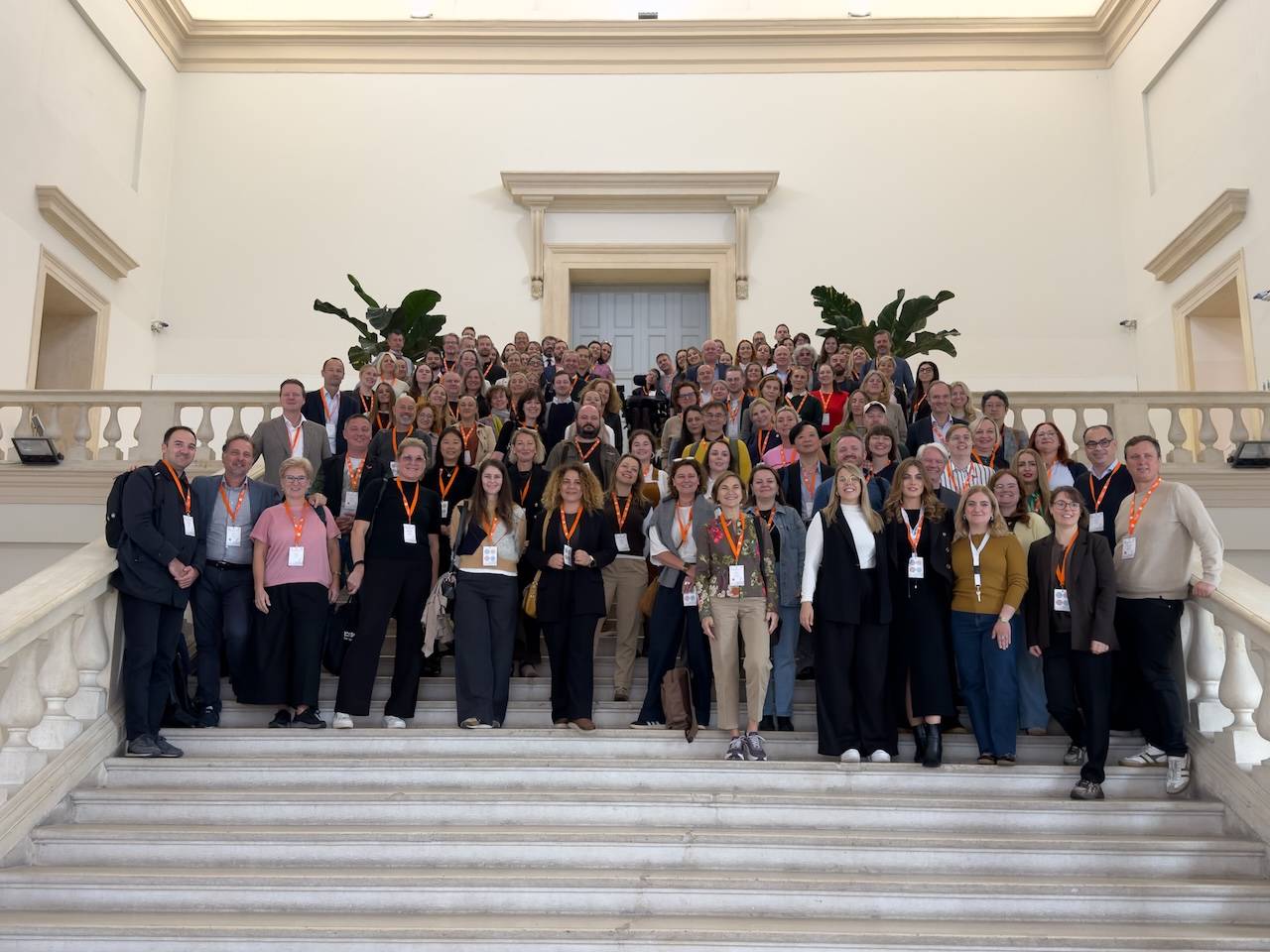
At its 2026 Autumn Conference in Verona, City Destinations Alliance brought together 160 destination leaders to examine how AI, mobility, accessibility, climate resilience and tourism taxation are reshaping the future of urban destinations.
Europe's city destinations are entering a new phase in their approach to tourism, with success increasingly measured against local priorities, quality of visitor experiences and the benefits generated for residents. This was the central message of the City Destinations Alliance (CityDNA) Autumn Conference 2026, held in Verona from 19 to 21 October, which brought together around 160 destination leaders from across Europe.
Under the theme Moving Together – Cities in motion. Destinations in alignment, the conference examined how urban destinations can respond to a changing visitor economy, addressing the growing influence of artificial intelligence, transport connectivity, accessibility, climate resilience and the governance of tourist taxes.
The discussions reflected a wider reconsideration of destination competitiveness. According to the City Travel Report by CityDNA 2025-2026, which covers a record 141 European cities, urban tourism is entering a period of recalibration following the post-pandemic recovery. Although overnight stays continue to grow, performance varies considerably between destinations, reinforcing the need to assess growth against local objectives instead of relying on visitor volumes alone.
Technology featured prominently in the discussions, particularly the implications of generative AI for destination marketing and management organisations (DMOs). While artificial intelligence is transforming how travellers discover and evaluate destinations, CityDNA argued that verified data, human interpretation and local knowledge remain essential. Its Trend Room presented four possible scenarios for DMOs in an AI-driven environment, encouraging destinations to prepare for different futures rather than rely on a single forecast.
Connectivity is also becoming an increasingly important part of the destination proposition. Research presented in Verona highlighted how transport options influence destination choice well before travellers arrive, positioning mobility as a strategic consideration for tourism development. Accessibility was similarly addressed as a fundamental component of the visitor experience, extending beyond regulatory compliance to encompass the everyday interactions that determine whether visitors feel genuinely welcome.
Another area of attention was the management of tourist taxation. Findings from the CityDNA City Tax Project, developed in collaboration with Modul University Vienna and covering 53 cities, revealed considerable differences in how tourist taxes are governed, allocated and communicated. The research also identified a gap between stated policy priorities and the actual use of revenues, placing transparency and demonstrable benefits for local communities at the centre of the debate.
The conference also explored the motivations behind travel and the relationship between visitor experiences and the places that host them. Keynote speaker David Meade, in his presentation Why We Move?, challenged destinations to look beyond their attractions and consider the deeper motivations driving travel, including autonomy, mastery and purpose. The destinations that succeed, he argued, will be remembered for how they make people feel.
Climate responsibility provided another perspective on the future of urban tourism. Jeremy Smith, Co-Founder of Tourism Declares a Climate Emergency, called for stronger storytelling to complement technical climate action, highlighting tourism's potential to help people imagine and connect with more resilient futures.
These discussions extended beyond the conference venue through four small-group walkshops across Verona. Delegates explored accessibility through first-hand encounters, mapped the complexity of visitor journeys, considered what tourism should ultimately contribute to cities and examined climate resilience along the Adige River and Ponte Pietra. Three further workshops, led by CityDNA members, focused on mobility, accessibility and artificial intelligence, bringing practical experiences from different destinations into the discussion.
The findings also resonate with changes in destination marketing. The CityDNA MarCom Survey 2026 identified a growing emphasis on attracting more engaged visitors, supporting local economic sectors, managing visitor flows and adapting to AI-driven search and discovery.
For Maya Janssen, Vice-President of City Destinations Alliance, the willingness to translate discussion into collective action was one of the defining aspects of the Verona gathering.
“What stood out in Verona was the willingness of our members to turn discussion into collective action,” said Maya Janssen, Vice-President of City Destinations Alliance. “CityDNA’s strength lies in the knowledge, experience and connections of its members. The conversations around mobility, accessibility, AI, governance and long-term value reinforced a shared ambition: to shape the future of our cities together.
These insights will help guide both the next steps for our destinations and the future direction of the Alliance itself.”
The host destination also used the gathering to connect its own priorities with the wider European debate. Luca Caputo, General Manager of Destination Verona & Garda Foundation, highlighted the importance of exchanging approaches and experiences between cities.
“Hosting CityDNA in Verona gave us the opportunity not only to welcome colleagues from across Europe, but also to put many of the questions we are working on locally into a wider European conversation. Mobility, accessibility and inclusion are increasingly central to how we think about the visitor experience.
The conference showed the value of bringing cities together to compare approaches, challenge one another and develop new ideas.”
Hosted by Destination Verona & Garda Foundation and Verona Garda Convention Bureau, and facilitated by SoolNua, the conference brought together representatives from destinations including Aarhus, Amsterdam, Antwerp, Belfast, Bologna, Florence, Ghent, Helsinki, Innsbruck, Košice and Turin, among others.
The outcomes of the discussions and workshops will feed directly into CityDNA's 2027-2030 strategy, providing a roadmap for closer cooperation between European city destinations in the years ahead. The Alliance's next International Conference & General Assembly will take place in Bremen, Germany, from 14 to 16 April 2027.
As European cities reconsider the relationship between tourism growth and local prosperity, the discussions in Verona point towards a broader ambition: ensuring that destinations remain attractive places to visit while continuing to flourish as places to live, work and meet.
Powered by Meeting Media Company, publisher of Headquarters Magazine (HQ) – a leading international publication based in Brussels, serving the global MICE industry and association community.

Since its founding in 1992, Meeting Media Group, publisher of Headquarters Magazine (HQ), has been a trusted guide and voice for associations and the global MICE (Meetings, Incentives, Conferences, and Exhibitions) industry.