IMEX 2026
The exhibition stand has always been asked to do several things at once: attract attention, express a brand and create a space for business. Yet its life is often remarkably short. Designed, built and installed for an event, it may be dismantled within days, leaving behind a question that the industry has been slow to address: what happens next?
Better Stands emerged from this practical challenge, seeking to turn the principle of stand reuse into something that can be assessed consistently across exhibitions. Its value lies in making visible and comparable a factor that has traditionally been difficult to quantify: how reusable an exhibition stand genuinely is. That requires looking beyond the materials specified in a design. Reusability depends on an entire chain of decisions, encompassing procurement, construction, installation, dismantling, storage, transportation and, ultimately, the stand’s next use.
The transition also raises questions of commercial viability. The most sustainable option is not necessarily perceived as the most straightforward investment, particularly when exhibition budgets and procurement decisions are tied to individual events. And for exhibitors, the challenge reaches into an area closely associated with brand identity: how to preserve creative expression and visibility while designing for repeated use.
With more than 15 years of experience in the meetings and events industry, Milda Salciute, Director of Events Consulting and Better Stands Assessor at GDS-Movement, has been closely involved in translating the framework into practice. In this conversation with Headquarters, she discusses the lessons emerging from the assessment process, the barriers to wider adoption and the changes needed to make reuse an integral part of exhibition design.
Author: Manuel A. Fernandes, HQ Magazine Manager
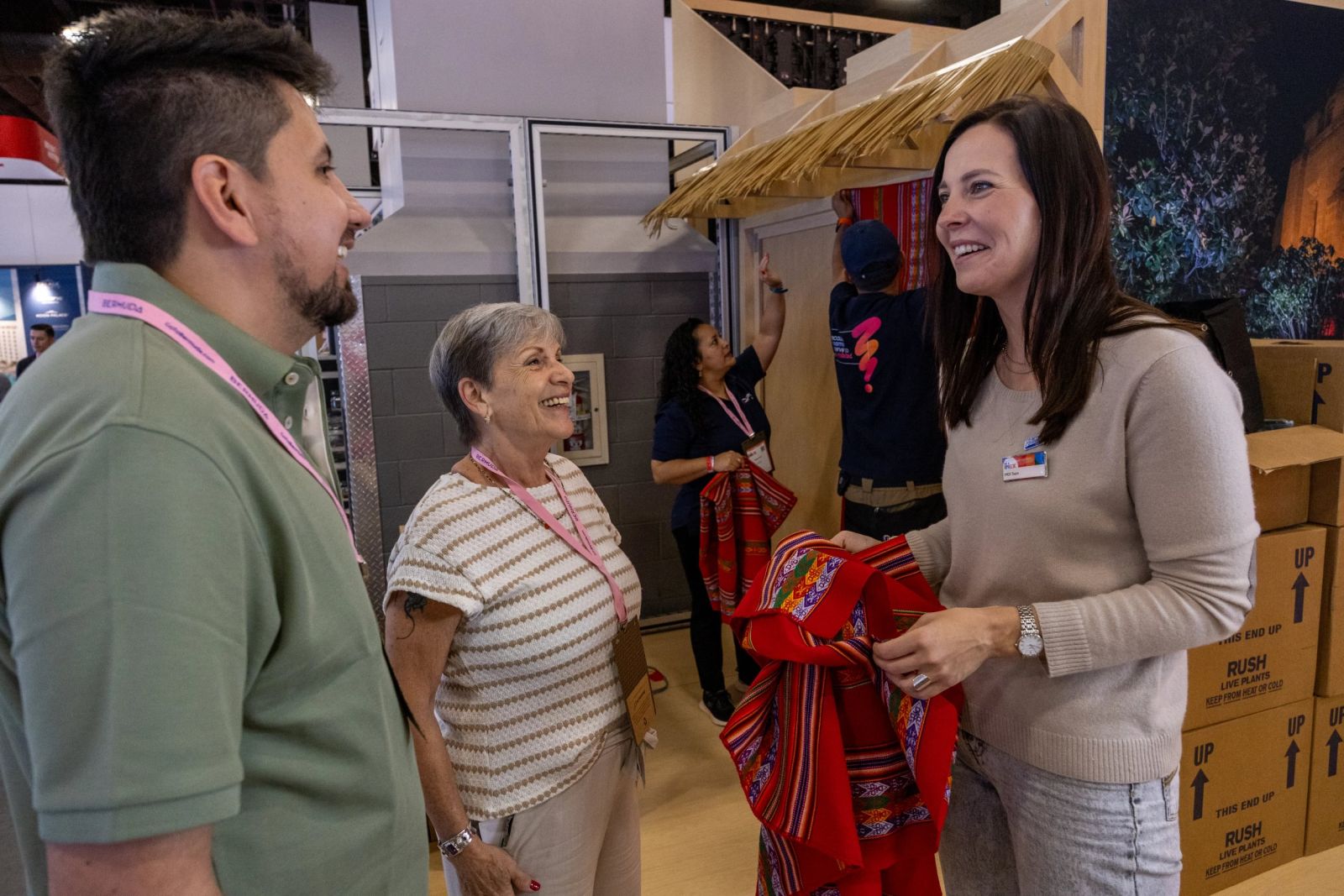
Together with my colleagues at GDS-Movement, I conduct Better Stands assessments for IMEX Group. At IMEX Frankfurt 2026, we assessed 180 custom-build stands, with 69% achieving a Bronze, Silver or Gold rating.
A key lesson has been the extent to which stand reusability depends on the wider exhibition ecosystem. Comparing findings across successive IMEX shows helps us identify how practices are developing and which challenges persist. Exhibitor briefs, stand-contractor capabilities, access to suitable materials and systems, and local infrastructure for managing materials that cannot be reused all influence the outcome.
The organiser’s readiness is equally consequential. Implementing Better Stands as an isolated initiative creates greater complexity than embedding it within a long-term strategy for exhibitor and supplier engagement. The framework establishes shared criteria, but effective implementation depends on coordinated action across the ecosystem.
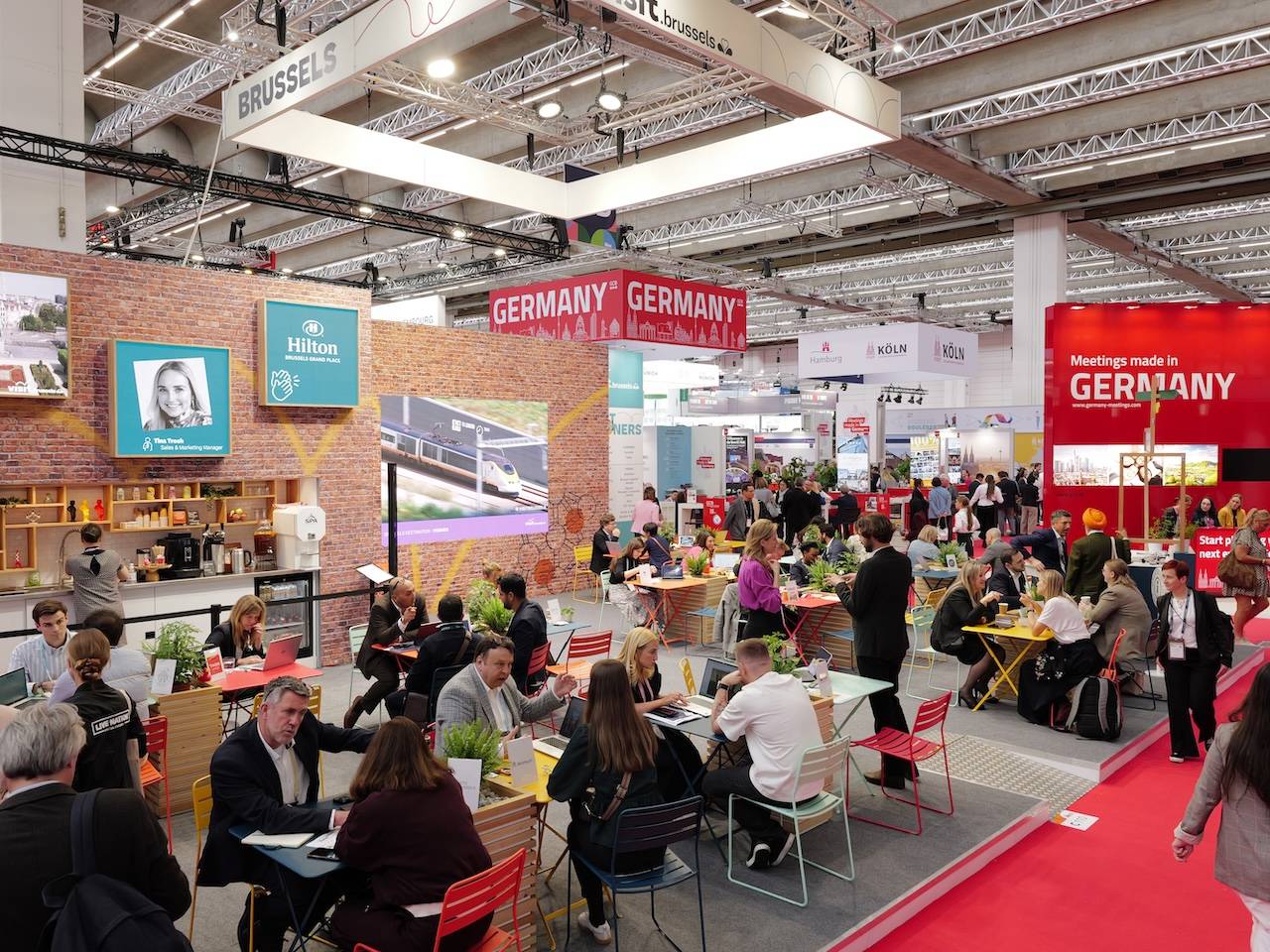
Visitors experience the finished exhibition: vibrant stands, creative design, lighting, and carefully curated spaces. Specifically, at IMEX, it is a journey around the world, from Japan to Italy, Canada and beyond. What remains largely unseen is the extraordinary process behind it.
Throughout my 15 years in the meetings and events industry, I have been fascinated by the precision and coordination required to transform an empty hall into an exhibition in a matter of days, only to dismantle it shortly afterwards. As Better Stands assessors, we witness that process first-hand, including the decisions made under considerable time pressure.
One observation is that stands requiring more deliberate assembly and dismantling can sometimes achieve higher reusability ratings. This is not a consistent correlation, nor is construction time an assessment criterion. Rather, it highlights the importance of examining how components are assembled, separated and prepared for future use; something the finished stand cannot reveal.
Another misconception is that reusability is an all-or-nothing proposition. A stand does not need to be 100% reusable to make progress. Identifying which components can be reused, and which cannot, gives exhibitors and stand constructors a practical basis for improving the design over successive editions, and progressing towards a higher Better Stands tier.
The relationship between exhibitors and stand constructors is one of the most influential factors in advancing reuse. When exhibitors specify reusability in their briefs, they create demand for solutions designed for repeated use. Equally, contractors who proactively offer such solutions can broaden exhibitors’ understanding of what is achievable and influence future procurement decisions.
This relationship depends on collaboration and knowledge-sharing, but neither party operates in isolation. A reusable design must be supported by viable arrangements for dismantling, transport, storage and subsequent use. Organisers, venues and local suppliers all have a role in enabling those arrangements.
The greatest barrier is often not a particular material or construction method, but the disconnect between decisions made at different stages of a stand’s lifecycle. Reuse needs to be planned collectively, with each stakeholder’s decisions supporting the stand’s next use, not just its first appearance.
From my observations, the commercial viability of reuse is closely linked to an exhibitor’s planning horizon. Organisations with a long-term marketing and exhibition strategy are better positioned to invest in stands that can be adapted and used across multiple events. By contrast, annual budgets and one-off procurement decisions often favour the lowest upfront cost, even where this results in single-use construction.
A meaningful cost comparison must therefore extend beyond the initial build to consider repeated use, adaptation, storage, transport and maintenance. Reuse is not automatically the less expensive option in every circumstance; its commercial value depends on how frequently and effectively a stand can be used again.
For reuse to become more commercially compelling, exhibitors need to incorporate it into longer-term procurement decisions, while contractors develop accessible, competitively priced solutions, including flexible models and adaptable stand systems.
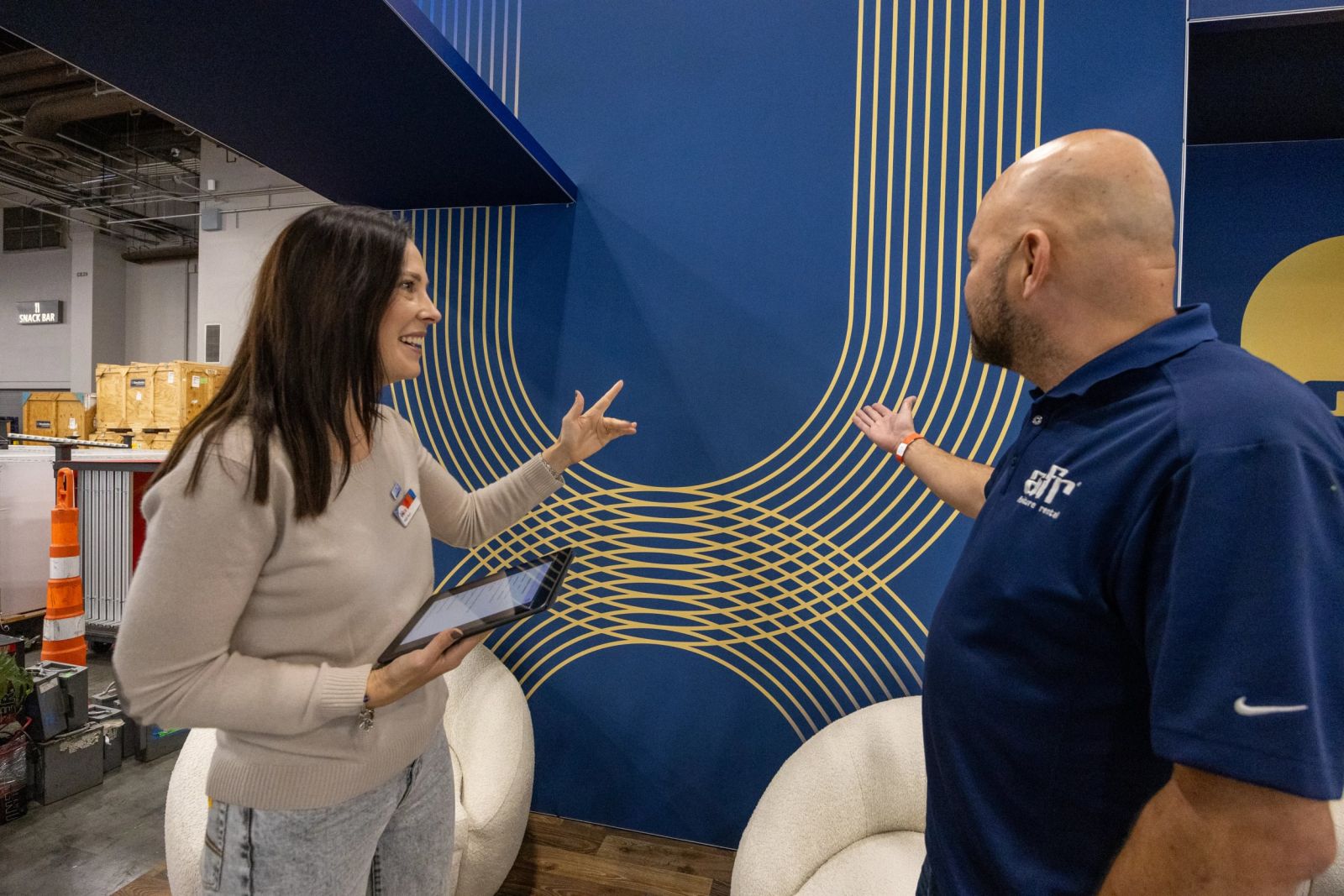
A shared framework gives the exhibition industry a common language for assessing stand reusability across different markets. In my wider work at GDS-Movement, I see how consistent assessment approaches help organisations establish expectations, compare results where the assessment scope allows, and engage their supply chains.
Better Stands’ 2026 UFI Sustainable Development Award reflects the collective effort behind its growing adoption by organisers, venues, exhibitors, service providers, assessors and industry associations. As the framework moves beyond, that collaboration becomes essential to maintaining consistent criteria and evidence requirements while allowing different markets to develop solutions suited to their materials, infrastructure and supply chains.
The framework is not a comprehensive measure of a stand’s environmental impact, nor is it beyond improvement. Experience from different markets should inform its continued development, strengthening its practical application and the comparability of assessment results.
At GDS-Movement, we believe in progress, not perfection. Event and exhibition organisers are at different stages of their sustainability journey: some have established programmes, while others are taking their first steps. In my experience, stand reusability is rarely the starting point in sustainability; it often follows progress in an event’s own operations, when the organiser is ready to extend its approach to influencing exhibitors and contractors.
The Bronze, Silver and Gold tiers of Better Stands recognise different levels of demonstrated reusability without compromising the assessment criteria. What should evolve is the level of ambition expected from participants, supported by clear guidance and practical solutions.
Introducing minimum requirements should be a gradual but deliberate process. Organisers can use assessment findings to understand current practices, identify recurring barriers and set clear expectations for future editions. As reusable solutions become more widely available and exhibitors and contractors have sufficient time to plan, organisers can move towards requiring stands to meet a defined minimum Better Stands tier. The assessment criteria remain consistent; it is the organiser’s expectations that become more ambitious over time.
For me, Better Stands’ greatest potential lies in the simplicity and scalability of its framework. Beyond assessing individual stands, it can influence how the industry designs, procures and values exhibition infrastructure. Shared expectations create demand for reusable solutions, encouraging contractors to invest in adaptable systems, develop new approaches and compete on the value they deliver over multiple events.
The framework also builds industry knowledge and recognises demonstrated progress, giving exhibitors and suppliers a clearer basis for future decisions. Our upcoming assessments at IMEX America 2026 will provide another opportunity to examine how the framework is applied in a different market and identify lessons that can inform its wider implementation.
For this potential to translate into lasting industry change, assessment findings must become part of the decisions made before the next exhibition: how stands are specified, what exhibitors ask contractors to deliver, and how solutions are designed and procured for repeated use.
Better Stands is not about limiting creativity, but embedding reusability into the creative brief. Exhibitors still need distinctive spaces that express their brand and engage visitors. The opportunity is to achieve this through adaptable designs that retain their value across multiple events, rather than rebuilding from scratch each time.
Changing exhibitor expectations and proactive innovation from stand constructors are mutually reinforcing. Exhibition carpet illustrates this evolution: over my career, I have seen reusable and/or recyclable options become more accessible and commercially viable, as demand has encouraged suppliers to develop new solutions.
The same principle can extend to other stand elements. As exhibitors increasingly specify reusability and contractors expand the solutions available, creative ambition and repeated use can become complementary design objectives.
Published by Meeting Media Company, the publisher of Headquarters Magazine (HQ) – a leading international publication based in Brussels, serving the global MICE industry and association community.

Since its founding in 1992, Meeting Media Group, publisher of Headquarters Magazine (HQ), has been a trusted guide and voice for associations and the global MICE (Meetings, Incentives, Conferences, and Exhibitions) industry.