As the World Ports Conference returns to London after almost three decades, the International Association of Ports and Harbors (IAPH) sees a sector navigating uncertainty on several fronts at once. Olympia’s new International Convention Centre (ICC) provides the physical setting for a conference designed to connect those challenges with the people and institutions capable of addressing them.
Author: Manuel A. Fernandes, HQ Magazine Manager
 “There are threats in the sky, on the network, at the quayside and beneath the waves.” According to Patrick Verhoeven, IAPH Managing Director (pictured right), that list captures something of the uncertainty now confronting the global port sector. The industry is preparing for an unclear energy future, while adapting to climate change, navigating geopolitical disruption and responding to accelerating technological change. The challenges vary according to geography, but the need for cooperation is becoming harder to separate from the work of running a port. “The theme for our annual World Ports Conference in London this 3-6 November is Port leadership for a brave new world, and it speaks to the volatility and uncertainty of the present moment, as well as the list of expectations facing port leaders,” Verhoeven says.
IAPH’s response is built on its collective expertise. Its technical committees, working groups and taskforces develop tools and guidance for members, whilst the World Ports Sustainability Program contains more than 600 port-related projects. The association has recently passed 400 regular and associate members across 100 countries. Its international reach goes back to IAPH’s origins in cooperation between Japanese and American ports in the early 1950s, when its founding motto linked global trade and peace through the work of ports. Seven decades later, Verhoeven sees the same principle at work in a more fractured international environment. “The need for an organisation like ours, connecting supply chain interests across national borders, seems stronger than ever,” he says. “Port leaders are facing protectionism, trade war and armed conflict, but challenges often bring out the best in the port sector, as we saw during the pandemic, driving adaptation and innovation.”
.jpg)
World Ports Conference 1965 London © Olympia Events
The tension between ambition and practicality is particularly visible in the energy transition. There is great uncertainty as to which alternative fuels will prevail in the medium to long term, compounded by the current regulatory deadlock over the industry’s pathway. “Right now, all the indications are that ports must prepare for a multifuel future,” Verhoeven states. “This necessitates that ports remain flexible in response to market and regulatory changes.” Uncertainty makes cooperation part of the infrastructure itself. Investment decisions must be coordinated between ports, regulators, energy providers and other stakeholders, while regional differences rule out a single pathway that works everywhere.
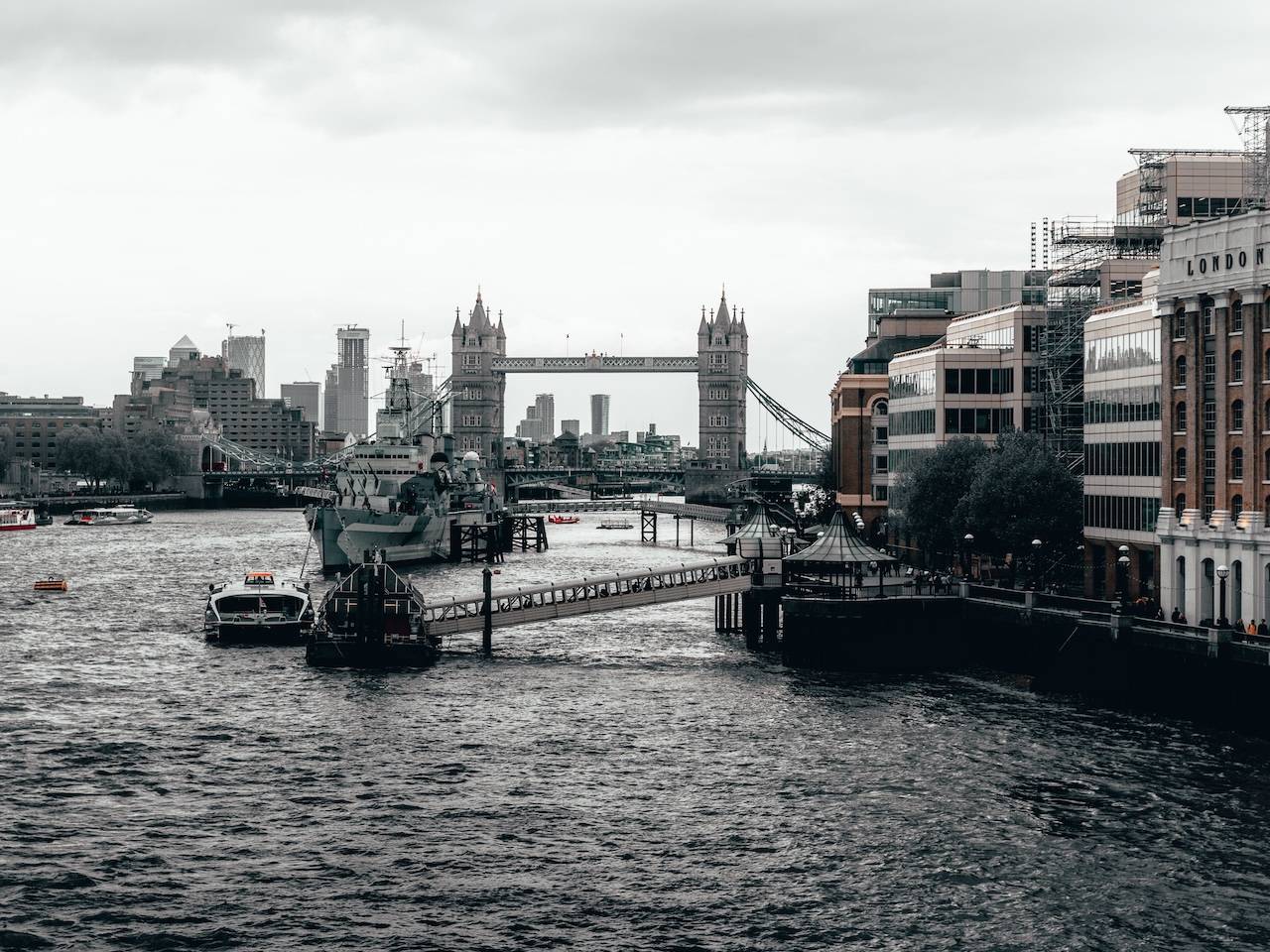
It is against this context that the World Ports Conference returns to London. The conference itself has a longer history with the city than its 1997 edition might suggest. London hosted the fourth edition in 1965, a meeting Verhoeven describes as a defining moment in IAPH’s development. In its aftermath, the association gained recognition as an NGO by the United Nations and expanded into a genuinely global organisation. One Japanese founder went so far as to say that “IAPH became a world organisation only by dint of the London conference.” The circumstances have changed considerably since then, but Verhoeven sees continuity in the conference’s purpose. “We remain the voice of global ports, and in the absence of a global regulator, our members work together across national boundaries to set standards and influence the quality and direction of maritime legislation.”
.jpg)
World Ports Conference 1997 London © Olympia Events
The 2026 conference reflects how that role has evolved. Since 2020, IAPH has moved from a host-sponsor model to working with an events company and from a biennial to an annual conference. The London edition expands to four days, with roundtables and breakfast briefings alongside the main programme at the Olympia, in Kensington. “There has been an interest in more dialogue and interaction among attendees, and also a broader mix of themes to reflect the deep and diverse ports and shipping audience that we can expect from London. We want to keep things fresh.” The choice of London is therefore closely connected to the conference’s ambitions. Verhoeven calls the city ‘the intelligence hub of global shipping’, pointing to its concentration of maritime services, insurance, legal and financial expertise, shipping organisations, energy companies and, critically, the International Maritime Organization (IMO). The wider city will form part of the programme itself. The welcome reception will be held at the IMO, sponsored by the Port of London Authority, with delegates encouraged to meet national representatives they may never previously have encountered. “London gives us the chance to bring together port and port business with shipowners, investment banks, cargo owners, insurers, regulators, thought leaders and technologists,” Verhoeven adds.

Adam Pollington, Sales Director (pictured right) at Olympia Events, told us that the opening of the new ICC will change the nature of the dialogue that can be established with international associations. “The ICC adds a purpose-built convention offering to Olympia’s existing event spaces, allowing us to host more complex conference formats while still benefiting from the character and flexibility of our heritage venues.” The four-day IAPH programme, with plenaries, breakout discussions, roundtables and briefings, is precisely the kind of format for which the ICC was designed. Its auditoria and flexible spaces allow delegates to move between different forms of engagement while remaining within the wider Olympia estate. “What appeals to organisers is the ability to create different experiences across the destination. They can hold keynote sessions in the ICC, networking events in one of the many restaurants on site, and give delegates access to hotels, bars and cultural experiences without leaving the estate,” says Pollington. “Olympia is now a destination rather than simply a venue.”

International Convention Centre at Olympua © Olympia Events
Alongside the formal programme, delegates will have opportunities to visit the National Maritime Museum, Cutty Sark, Thames Rowing Club and DP World London Gateway, as well as take part in a river cruise on the Thames. The cultural dimension is integral to the meeting. London is both a maritime city and a global business centre, and some of the connections made during the conference may come from experiencing the city itself, not only from what happens inside the ICC. “We talk about this conference being the place where delegates make the breakthroughs that count and the connections that matter,” Verhoeven says, “but really we want this to be the beginning of the story.” The distinction matters because the conference is only one stage in a longer process involving committees, technical work, meetings and investment decisions. Its value will be judged by what follows after delegates leave. “When delegates realise the work our committees are doing – around future fuel readiness, onshore power, cybersecurity, and cruise sustainability – it will encourage even more members to share their expertise to the overall good. London should be one link forged in that chain,” Verhoeven concludes.
Powered by Meeting Media Company, publisher of Headquarters Magazine (HQ) – a leading international publication based in Brussels, serving the global MICE industry and association community.

Since its founding in 1992, Meeting Media Group, publisher of Headquarters Magazine (HQ), has been a trusted guide and voice for associations and the global MICE (Meetings, Incentives, Conferences, and Exhibitions) industry.