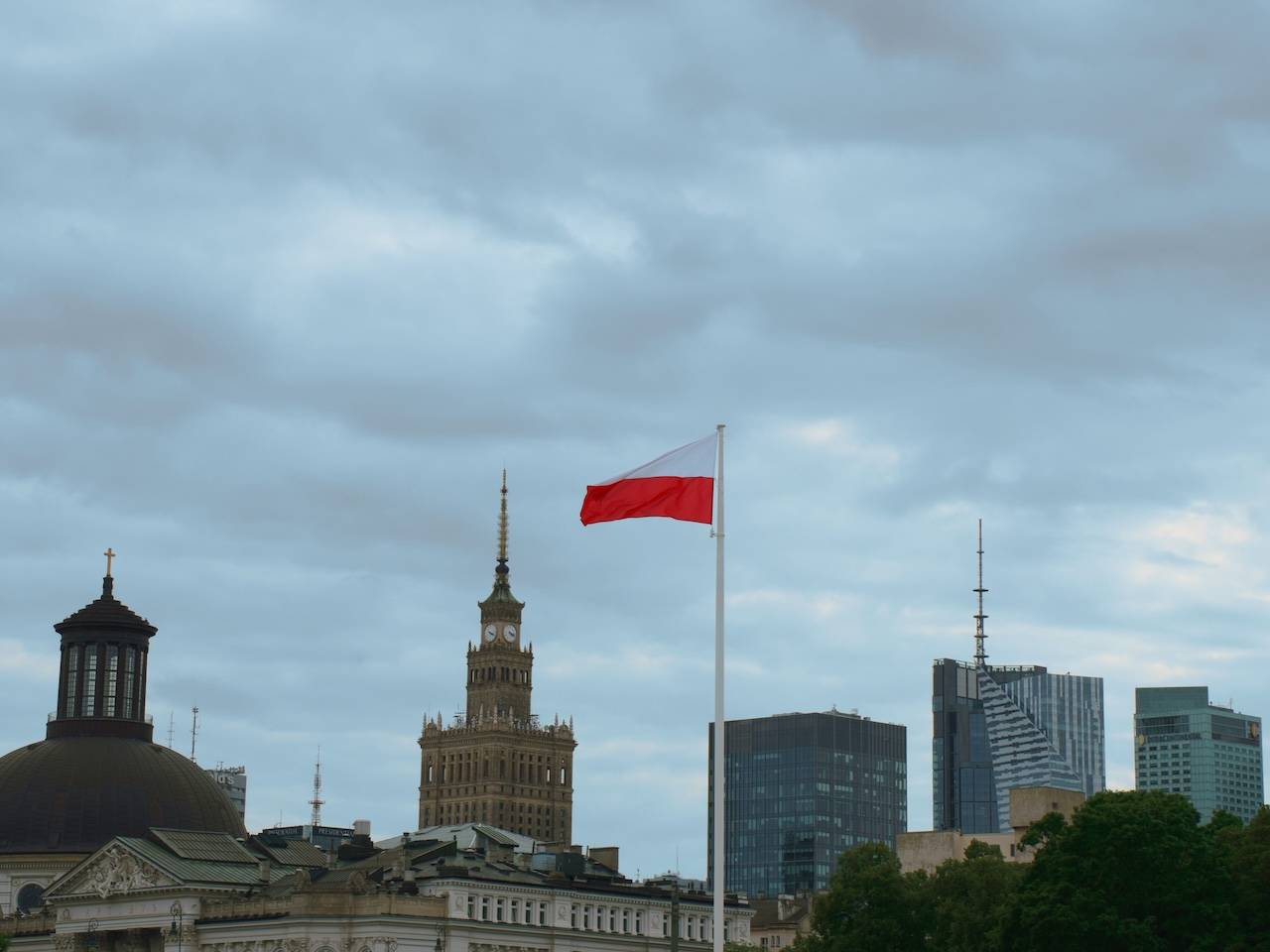
A new e-book by SITE Poland and the Poland Convention Bureau brings together insights from six regional workshops involving more than 150 professionals, with case studies exploring how local heritage, food, venues and community engagement can inform more responsible business events.
Sustainability in business events is often discussed through targets, certifications and operational standards. A new publication from SITE Poland and the Poland Convention Bureau approaches the subject from another angle: the resources already available in a destination, and how they can shape distinctive experiences for organisers and delegates.
 Destination Poland Green Academy 2025–2026 draws on six regional workshops held across Poland, involving more than 150 MICE professionals from 121 organisations. The resulting e-book combines project insights, examples of good practice and practical guidance on using local heritage, regional products, attractions, services and community involvement to develop more sustainable event concepts.
The workshops brought together presentations on sustainability, ESG and meetings industry trends with local case studies, group work and networking. Participants developed concepts for conferences, team-building activities and incentive programmes, applying responsible event principles to the resources and opportunities available in their respective destinations.
The work was guided by SITE Poland’s Manifesto for Sustainable Incentive Travel, which outlines 10 practical principles for responsible event planning. The e-book now makes the programme’s findings available to a wider audience, including organisers and destination partners looking to adapt these approaches to their own operating environments.
Seven interviews, presented as Green Talks, provide a more detailed view of how these principles can take shape in practice. The examples range from the traditions of a raftman on the Vistula to WOWLand’s presentation of authentic experiences through “Premium Poland”. Other contributions consider how venues can establish a credible sustainability profile through reliable data, and how Poznan Event Hub’s “Green Events” strategy addresses the environmental impact of events.
The series also considers the social and human dimensions of responsible business events. One interview looks at participant wellbeing, while another examines Mercure Katowice Centrum’s systemic approach to ESG. The final case study focuses on Chata Olimpijczyka Jasia i Helenki in Wisła, exploring how food and setting can communicate a strong sense of place.
A further example comes from Lublin Conference Centre (LCK), whose ESG approach brings together environmental responsibility, community engagement and governance. The centre identifies measures including a ground heat exchanger, building management systems, solar collectors and rainwater recovery.
Aneta Książek, Director of the Poland Convention Bureau, stresses the programme also points to the role local resources can play in strengthening the international position of Polish destinations.
“Polish cities and regions can strengthen their competitiveness by using local resources skilfully and working together. This can help destinations often considered second choice stand out internationally and attract higher-profile events,” she said.
Książek added that the project identified good practices already being implemented in the cities visited, demonstrating their potential to be recognised as modern, responsible and globally competitive destinations.
Beata Koziarska of SITE Poland and EMOVEO Group highlighted the manifesto’s role in shaping the workshops and their practical focus. “It’s ten recommendations show how MICE projects can combine business effectiveness with care for the environment, ethical working practices and the wellbeing of local communities. The manifesto is intended for the entire meetings industry supply chain.”
The programme was delivered by SITE Poland on behalf of the Poland Convention Bureau. Grażyna Grot-Duziak and Beata Koziarska developed and led the project, and co-authored the e-book with Książek. Its wider framework also draws on SITE Poland’s work on responsible incentive travel, the United Nations’ 17 Sustainable Development Goals and the Responsible Incentive Travel Day 2026 conference.
Destination Poland Green Academy 2025–2026 is available through the Poland Convention Bureau website
Published by Meeting Media Company, the publisher of Headquarters Magazine (HQ) – a leading international publication based in Brussels, serving the global MICE industry and association community.

Since its founding in 1992, Meeting Media Group, publisher of Headquarters Magazine (HQ), has been a trusted guide and voice for associations and the global MICE (Meetings, Incentives, Conferences, and Exhibitions) industry.