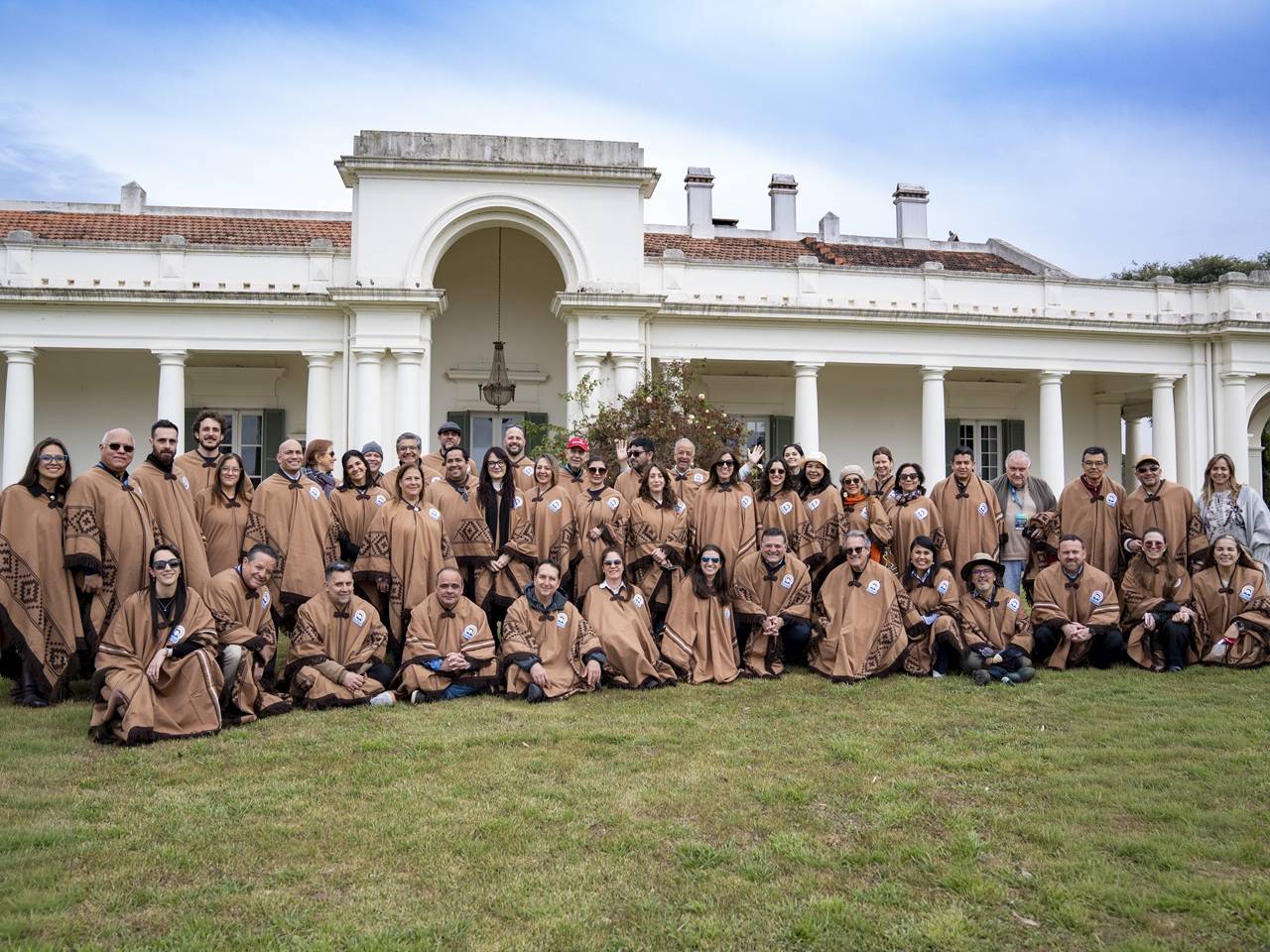
From 10 to 13 August 2026, Córdoba hosted the FIEXPO Workshop & Technical Visit, bringing together more than 30 international hosted buyers and the province’s meetings industry professionals. In this interview, Darío Capitani, President of Agencia Córdoba Turismo, discusses what the hosted buyers experienced during their stay, the involvement of local universities and suppliers, and the markets that Córdoba is focusing on now.
What did hosting the FIEXPO Workshop & Technical Visit mean for Córdoba, and what do you think FIEXPO saw in the destination?
Being selected reinforced Córdoba’s position in the Latin American meetings market. It also gave us the chance to present our infrastructure and services directly to international hosted buyers and senior industry representatives in a live business environment.
We believe FIEXPO recognised three main strengths.
-
First, connectivity. Córdoba’s central location in Argentina and the network served by Ambrosio Taravella International Airport give us strong access across the country and the region.
-
Second, the way our meetings industry works together. The Provincial Meetings Industry Board brings together Agencia Córdoba Turismo, Córdoba Bureau, private-sector partners and universities, giving us a coordinated structure for developing and promoting the destination.
-
Third, the breadth of the offer. Córdoba has large-scale venues such as the Córdoba Convention Centre and Complejo Ferial, a diverse hotel base and a strong leisure component, with heritage, gastronomy and nature all close to the city.

How was the programme developed with FIEXPO and local partners, and what did each part of Córdoba’s MICE sector contribute?
The programme was developed through the Provincial Meetings Industry Board, with the public sector coordinating the overall agenda and local partners contributing their operational expertise.
Universidad Blas Pascal played an important role in technical measurement, logistics and knowledge transfer, helping connect academic expertise with the needs of the meetings industry.
Venues and hotels adapted their operations to the requirements of the programme, providing flexible spaces for B2B meetings, training and networking, while also meeting the technical and sustainability standards expected of an international event.
Local suppliers were equally important in bringing Córdoba’s identity into the experience. Caminos del Vino featured throughout the programme, introducing participants to more than 30 wineries and the gastronomy of the Sierras de Córdoba, the mountain and valley region surrounding the provincial capital. The technical production also incorporated measures aimed at reducing the event’s carbon footprint.
Public institutions supported security, transport and protocol across the programme.
What kind of hosted buyers took part, and what were they looking for during their time in Córdoba?
The group included international corporate meeting planners, executives from professional associations across Latin America and incentive organisers.
They wanted to understand more than the size of our venues or hotel capacity. Buyers were looking closely at how the destination operates in practice, including supplier response times, local logistics and how efficiently groups can move around the province.
Technical capability was another key area, particularly flexible venues, hybrid event infrastructure and high-speed connectivity.

There was also strong interest in Córdoba’s knowledge base. The city is widely known as “La Docta”, a nickname linked to its long academic tradition and the presence of some of Argentina’s oldest and most established universities. Sectors such as software, agri-medicine and biotechnology can provide speakers, expertise and local partnerships that add depth to congress programmes.
Which parts of Córdoba’s meetings offer attracted the most interest, and what did you learn from the buyers’ feedback?
Participants responded particularly well to the combination of city infrastructure and easy access to the Sierras de Córdoba, with their valleys, small towns, natural landscapes, gastronomy and leisure experiences.
The Córdoba Convention Centre attracted attention for its scale and flexibility, while the post-tour experiences in the Sierras showed clear potential for high-end incentive programmes.
One of the strongest messages from buyers was that Córdoba’s value is not limited to venues. Its universities and knowledge industries can contribute specialist content, local expertise and potential partners for association congresses.
Their feedback also confirmed that measurable sustainability standards are becoming a basic requirement for international organisers. One of our priorities now is to accelerate environmental certification across the provincial meetings supply chain.
What has the Workshop left behind for Córdoba’s meetings industry in areas such as professional development, sustainability, legacy and impact measurement?
The Workshop brought practical knowledge into the local sector. Our work with MICE Consulting gave us useful tools to strengthen the structure and commercial management of Córdoba Bureau.
It also helped us broaden the way we look at event impact. Hotel nights and average delegate spend still matter, but we are also paying closer attention to the social, intellectual and economic value an event can create for the host community.
The contacts generated through FIEXPO are now being added to our provincial MICE CRM, allowing us to follow each opportunity in a more structured way.
We are also applying methodologies shared by ICCA to improve our bidding process and identify more regional association congresses rotating across Latin America.
How will Córdoba now follow up the business opportunities generated during the Workshop, and which markets and event segments are the main priorities?
Our immediate priority is follow-up. Several hosted buyers discussed Requests for Proposals during the business meetings, and we are now working on site inspections for events currently being considered.
South America remains a key market, particularly the Andean region and the Southern Cone. We are focusing on medium-sized association events of between 500 and 1,500 delegates, supported by Córdoba’s direct air connections.
Within Argentina, we want to strengthen Córdoba’s position for corporate conventions and product launches outside Buenos Aires.
Medical, scientific and technology congresses are another priority, supported by local ambassadors from universities and innovation clusters.
For incentives, we see strong potential in programmes combining boutique hotels, gastronomy, visits to Córdoba’s wineries and outdoor experiences in the Sierras.
For more on Córdoba’s MICE strategy, read our report on how the destination is measuring the economic and long-term impact of events.
Powered by Meeting Media Company, publisher of Headquarters Magazine (HQ) – a leading international publication based in Brussels, serving the global MICE industry and association community.